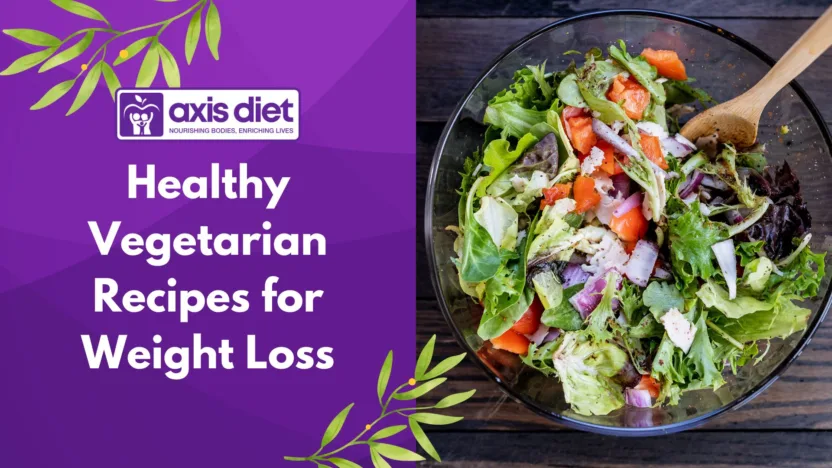
Exploring vegetarian weight loss recipes offers a path to nourish your body while achieving your fitness goals. By focusing on wholesome plant-based ingredients, you can enjoy flavorful meals that support weight management and overall health.
Understanding the Benefits of Vegetarian Diets for Weight Loss
Vegetarian diets can be highly effective for weight loss due to their emphasis on high fiber, low calorie, and nutrient-dense foods. Fiber-rich ingredients such as vegetables, fruits, whole grains, nuts, and legumes increase satiety, reducing overall calorie intake by promoting a sense of fullness. This helps prevent overeating and supports steady, long-term weight management. Additionally, many plant-based foods tend to be naturally low in calories, allowing for larger portions without excessive calorie consumption, which is crucial for maintaining a healthy energy balance.
Another significant benefit of vegetarian diets is the improvement in digestion. Plant-based foods are packed with dietary fiber, which enhances bowel regularity and supports gut health by fostering beneficial microbes. Improved digestion not only aids in nutrient absorption but also minimizes bloating and discomfort often linked to weight gain and metabolic issues. Efficient digestion can also accelerate the body’s ability to process foods, indirectly supporting weight loss efforts.
Moreover, vegetarian eating patterns often lead to increased metabolism. Consuming a variety of fresh fruits, vegetables, and legumes provides ample vitamins and minerals that support metabolic functions, including energy production and fat oxidation. The presence of antioxidants and phytochemicals in plants further supports metabolic health by reducing inflammation and oxidative stress, which can impair metabolic rate and promote fat storage.
Reducing intake of saturated fats is another advantage of vegetarian diets compared to typical omnivorous diets. Plant-based diets primarily contain unsaturated fats from sources such as nuts, seeds, and vegetable oils, which benefit cardiovascular health and help prevent fat accumulation. Excess saturated fat consumption is linked to insulin resistance and chronic inflammation, which can hinder weight loss and favor visceral fat gain. By limiting saturated fats, vegetarian diets encourage a healthier lipid profile and more balanced hormones involved in weight regulation.
Scientific studies support these benefits. Research consistently shows that vegetarians have lower body mass indexes (BMIs) and experience less obesity than non-vegetarians. Higher fiber intake from plant-based diets correlates with reduced energy density and greater fat loss. Additionally, the botanical compounds found in plants have been linked to enhanced fat metabolism and appetite regulation, demonstrating that vegetarian eating patterns can contribute positively to maintaining a healthy weight.
For those interested in practical applications of vegetarian weight loss strategies, exploring vegetarian weight loss diet ideas provides guidance on how to incorporate these principles in daily meals. Adopting a vegetarian lifestyle with a focus on fiber-rich, nutrient-packed foods not only supports weight loss but also improves overall well-being and long-term health.
Essential Nutrients to Include in Vegetarian Weight Loss Meals
For vegetarians focused on weight loss, including the right balance of essential nutrients is critical. Protein is a cornerstone nutrient that helps maintain muscle mass during weight loss and promotes feelings of fullness. Excellent plant-based protein sources include beans, lentils, chickpeas, green peas, tofu, and tempeh. These ingredients not only provide protein but also come with fiber that aids digestion and prolongs satiety.
In addition to protein, incorporating healthy fats is important. They support hormone function and help absorb fat-soluble vitamins. Options such as avocados, nuts, seeds like flaxseeds and chia seeds, and cold-pressed oils provide these indispensable fats without contributing to excess calories when used mindfully. These fats also help stabilize blood sugar levels, preventing energy crashes that can lead to overeating.
Complex carbohydrates should be prioritized over refined carbs, as they provide steady energy and fiber. Whole grains like jowar, bajra, oats, and brown rice offer complex carbs along with minerals and vitamins. Incorporating high-fiber vegetables and fruits like spinach, carrots, and berries ensures an abundant intake of antioxidants, vitamins, and minerals necessary for overall health and efficient metabolism.
To avoid common deficiencies often seen in vegetarian diets, particularly those focused on weight loss, attention must be paid to vitamins and minerals. For instance, iron from plant sources such as lentils, spinach, and pumpkin seeds can benefit from pairing with vitamin C-rich foods like tomatoes or citrus fruits to boost absorption. Calcium can be obtained from dairy alternatives fortified with calcium or naturally rich sources like amaranth leaves and sesame seeds. Vitamin B12 may require supplementation or inclusion of fortified foods since it is not naturally present in plant foods.
Constructing meals that combine these nutrients leads to balanced, satisfying dishes that maintain energy and curb hunger. A typical meal might combine a portion of legumes with a serving of whole grains, steamed or sautéed vegetables, and a handful of nuts or seeds to provide protein, carbs, fiber, and healthy fats. This balance helps prevent muscle loss, supports a healthy metabolism, and sustains energy throughout the day.
Some nutrient-dense ingredients to emphasize include tofu, chickpeas, quinoa, spinach, flaxseeds, pumpkin seeds, sweet potatoes, and colorful vegetables. Including these regularly can support weight loss goals while meeting nutrition requirements. Thoughtfully crafted vegetarian weight loss meals focus on both macronutrient balance and micronutrient sufficiency to support long-term health and effective fat loss.
For more insights on balancing macro and micronutrients in a vegetarian diet, explore this detailed post on are you getting enough protein from your diet.
Creating Balanced Vegetarian Plates for Effective Weight Management
Creating balanced vegetarian plates is essential for effective weight management. A well-constructed plate should include adequate protein, fiber, and healthy fats, each playing a distinct role in promoting satiety, maintaining muscle mass, and supporting metabolic functions. To achieve this balance, start by filling half your plate with non-starchy vegetables, which are rich in fiber and low in calories. Fiber slows digestion and keeps you feeling full longer, helping to curb overeating.
Next, allocate roughly one-quarter of your plate to high-quality vegetarian protein sources, such as beans, lentils, tofu, or tempeh. Protein is crucial not only for muscle preservation but also for enhancing the thermic effect of food, which helps to burn more calories during digestion. The remaining quarter should consist of whole grains or starchy vegetables, providing complex carbohydrates that supply sustained energy without causing blood sugar spikes.
Incorporating healthy fats is equally important for weight loss and overall health. Sources like nuts, seeds, avocado, and olive oil provide essential fatty acids that support hormone production and brain function. A small serving—usually a tablespoon or a small handful—is sufficient, as fats are calorie-dense.
Portion control is a powerful tool in weight management. Using smaller plates or measuring portions can help prevent accidental overeating. For instance, a standard protein portion is about 3 to 4 ounces cooked, which is roughly the size of your palm. Fiber-rich vegetables can be consumed more liberally without significantly impacting calorie counts.
Varying meals throughout the week ensures a broader spectrum of nutrients and prevents diet monotony. Rotating ingredients across different colors and types of vegetables, legumes, grains, and fats helps avoid nutrient gaps and supports a healthy gut microbiome. For example, pairing vitamin C–rich foods like bell peppers or citrus fruits with plant-based iron sources such as spinach or lentils enhances iron absorption, maximizing nutrient bioavailability.
To elevate taste and nutrient uptake, combine spices like turmeric and black pepper, which improve antioxidant effects and absorption. Additionally, fermenting some foods or including naturally fermented items can increase beneficial probiotics, aiding digestion and nutrient uptake.
Remember, balanced plates not only focus on macronutrient distribution but also on flavor and texture, making meals enjoyable and sustainable for long-term adherence. Using a mixture of fresh, cooked, raw, crunchy, and creamy components keeps meals interesting and satisfying.
For additional strategies on managing portions and creating satisfying meals, you may find valuable tips at Healthy Eating Portion Control.
Delicious Low-Calorie Vegetarian Recipes to Try
Embracing vegetarian recipes for weight loss can be both enjoyable and nutritious. Focusing on recipes that are low in calories yet rich in vegetables, whole grains, and plant-based proteins ensures satiety while supporting fat loss. For breakfast, try a savory vegetable-packed oats porridge with chopped greens, tomatoes, and a sprinkle of flaxseeds. This provides fiber, slow-digesting carbs, and omega-3s that energize without excess calories. Alternatively, a smoothie bowl with blended spinach, berries, and a small handful of nuts offers antioxidants and protein in a refreshing way.
For lunch, consider a chickpea salad tossed with cucumbers, carrots, cherry tomatoes, and fresh herbs. The combination delivers complete plant protein, fiber, and essential micronutrients, while keeping calories in check. You can vary this by swapping quinoa for millet or brown rice, and chickpeas for lentils or black beans to maintain meal variety and avoid nutrient gaps. Adding a light lemon-tahini dressing enhances taste without adding many calories.
When it comes to dinner, a hearty vegetable stir-fry with tofu or tempeh alongside sautéed zucchini, bell peppers, and broccoli provides a satisfying, nutrient-dense option. Using minimal oil and seasoning with spices boosts flavor without calorie overload. Another choice is a spiced lentil stew paired with a bowl of steamed leafy greens and a small portion of whole wheat roti, combining protein, fiber, and complex carbohydrates for a balanced and filling meal.
For snacks, fresh vegetable sticks like carrots, cucumber, and celery with a side of hummus or roasted chickpeas make a crunchy and satisfying option. Roasted makhana (fox nuts) lightly spiced with turmeric and black pepper also offer a low-calorie, protein-rich snack that can keep cravings at bay. Including fruits such as guava or apple slices adds natural sweetness and fiber.
The versatility of these recipes lies in their adaptability to seasonal vegetables and available pulses, which help sustain interest and adherence to healthy eating. Creating flavorful meals with simple yet varied ingredients supports long-term dietary commitment essential for weight loss success. Each meal is designed to maximize nutrient density while controlling calorie intake, encouraging continued progress without feeling deprived.
Exploring easy, delicious low-calorie vegetarian dishes like these can transform your weight loss journey into a more pleasurable experience. For ideas on wholesome, low-calorie Indian meals that can enhance your weight management efforts, explore this guide to low calorie Indian meals.
Meal Planning and Preparation Tips for Sustained Weight Loss
Meal planning and preparation are essential components for maintaining consistency in a vegetarian weight loss journey. Having a structured approach helps avoid impulsive, unhealthy food choices, especially when time or motivation runs low. One effective strategy is batch cooking, where large portions of meals are prepared ahead and stored for later use. This method saves time and ensures you always have nutritious options ready, reducing the temptation to rely on processed or high-calorie convenience foods. Prepare versatile staples such as cooked legumes, grains, roasted vegetables, or protein-rich dishes that can be mixed and matched throughout the week to keep meals interesting and balanced.
Creating a detailed shopping list aligned with your meal plan optimizes grocery trips and reduces waste. Focus on whole, unprocessed ingredients including fresh vegetables, fruits, whole grains, nuts, seeds, and plant-based proteins like lentils or chickpeas. Organize your list by store sections to make shopping quicker and more efficient. Keeping pantry essentials stocked, such as dried beans, spices, and frozen vegetables, provides a solid foundation for quick meals without last-minute shopping.
Smart ingredient substitutions can make vegetarian recipes healthier and more weight-loss friendly. For example, replace cream or cheese with plant-based yogurt or blended silken tofu to reduce calories while maintaining creamy textures. Use spiralized vegetables in place of pasta to lower carbohydrate intake and increase fiber. Swap white rice for quinoa or millet to incorporate more protein and nutrients, supporting satiety and energy levels. These substitutions also add variety, preventing monotony and improving adherence over time.
Meal prepping not only supports healthy eating but also significantly improves time management. Having meals planned and prepared in advance frees up daily mental bandwidth, allowing you to focus on other priorities without compromising nutrition. It also reduces stress related to last-minute meal decisions, fostering a positive mindset critical for sustained weight loss. Incorporate simple techniques like chopping vegetables in bulk or pre-portioning snacks to streamline your routine further.
Adopting consistent meal planning and preparation habits aligns with a balanced vegetarian diet designed for weight loss. This strategy complements the flavorful, low-calorie recipes discussed previously and sets a foundation to overcome challenges ahead. For insights on adjusting diet plans for various needs, explore this comprehensive guide on vegetarian weight loss diets.
Overcoming Challenges in Vegetarian Weight Loss Diets
Adopting a vegetarian weight loss diet comes with unique challenges that require thoughtful strategies to maintain progress. One common hurdle is managing cravings, especially for high-calorie or non-vegetarian foods. To address this, focus on including nutrient-dense, fiber-rich ingredients like whole grains, legumes, and vegetables in your meals. These foods increase satiety and reduce sudden hunger pangs. When craving sweets, opt for natural sweeteners found in fruits or small portions of dried dates to satisfy your sweet tooth without derailing your efforts. Additionally, practicing mindful eating can curb impulsive snacking by helping you recognize true hunger versus emotional triggers.
Nutrient deficiencies also pose a concern on vegetarian diets, particularly for protein, vitamin B12, iron, omega-3 fatty acids, and calcium. To overcome these gaps, diversify your plant-based protein sources by incorporating lentils, chickpeas, tofu, quinoa, and nuts into daily meals. Including iron-rich foods like spinach and fortified grains helps maintain energy levels, while pairing iron sources with vitamin C–rich foods enhances absorption. For vitamin B12, which is mostly found in animal products, consider fortified foods or supplements as advised by a healthcare professional. Balancing omega-3s through flaxseeds, chia seeds, and walnuts supports heart and brain health. For more on fulfilling calcium needs on a vegetarian diet, explore how to fulfill your calcium needs.
Social situations frequently challenge adherence to vegetarian weight loss plans. Attending family gatherings, dining out, or office events can introduce temptations or limited vegetarian options. Preparing in advance can reduce stress—choose restaurants that offer plenty of vegetable-based dishes or bring a healthy, portion-controlled dish to share. Communicate your dietary goals politely to friends and family so they can offer support. When exposed to less healthy options, focus on portion control and prioritizing nutrient-rich choices over processed or high-fat foods.
Adapting recipes to satisfy taste buds while staying aligned with weight loss is essential. Experiment with herbs, spices, and fermented foods to add flavor without adding calories. Swapping creamy dressings or cheese with avocado, yogurt, or chutneys can enhance nutrition and taste simultaneously.
Lastly, connecting with others on a similar journey provides motivation and accountability. Seek out local vegetarian groups or online communities where members share recipes, tips, and encouragement. Reliable resources can also support you, such as blogs and forums dedicated to vegetarian nutrition and weight loss. Engaging with such communities prevents isolation and fosters a positive mindset.
Incorporating these practical solutions strengthens your resolve and equips you to overcome obstacles confidently. For detailed advice on boosting your vegetarian weight loss with effective meal prep techniques, check out weight loss meal prep tips for office-goers, which offers insight into managing stress and staying consistent with healthy choices.
Seeking Professional Support for Personalized Vegetarian Weight Loss Plans
Adopting a vegetarian diet for weight loss can be highly effective, but individual needs vary significantly. Factors such as age, activity level, metabolism, existing health conditions, and food preferences all influence how successful a vegetarian weight loss plan can be. Consulting with a qualified nutrition or diet expert provides the personalized guidance essential to navigate these variables. Experts help design meal plans that ensure balanced nutrition while meeting calorie goals, preventing common pitfalls such as nutrient deficiencies or insufficient protein intake.
One of the greatest benefits of professional support is the ability to tailor plans that consider medical histories or special dietary needs, such as diabetes or thyroid disorders. This customized approach minimizes risks and promotes sustained weight loss, rather than quick fixes that can backfire. For example, a dietitian might recommend specific vegetarian protein sources or fortified foods to address vitamin B12 or iron needs, common concerns in vegetarian diets.
Professional guidance also helps individuals align their weight loss strategies with lifestyle factors. This includes accommodating social eating habits, cooking skills, or cultural food preferences, making it easier to maintain long-term adherence. By adjusting portion sizes, meal timing, and food combinations, experts create plans that provide steady energy without feeling restrictive or monotonous. This strategic planning reduces cravings and supports metabolic health.
Additionally, experts can assist in setting realistic goals and tracking progress effectively. They can interpret body composition changes and adjust dietary targets accordingly, ensuring that fat loss happens without sacrificing muscle mass or overall wellness. Their knowledge about macronutrient balance and micronutrient adequacy plays a critical role in optimizing each vegetarian recipe for maximum benefit.
Working with nutrition professionals also opens access to evidence-based strategies beyond diet, such as hydration advice, stress management, and physical activity recommendations, which complement weight loss efforts. This comprehensive approach addresses weight loss holistically, improving not just appearance but overall health markers.
For those committed to succeeding on their vegetarian weight loss journey, seeking personalized consultations offers a solid foundation. Tailored plans help overcome challenges discussed earlier and refine recipe choices to suit unique needs. You can explore more about customizing your diet by visiting personalized diet consultations that guide you toward sustainable and healthy results.
Final words
Adopting healthy vegetarian recipes for weight loss can make your weight management journey enjoyable and sustainable. By choosing nutrient-dense ingredients and balanced meals, you support your body’s needs effectively. For personalized guidance tailored to your lifestyle, consider professional diet consultation to reach your goals confidently.
The content provided in this blog post is intended for general knowledge and informational purposes only. It should not be considered a substitute for professional medical advice, diagnosis, or treatment. For personalized health recommendations tailored to your individual needs, we highly encourage you to connect with our certified clinical dietitians. Visit us at Axis Diet Consulting to schedule a consultation and take the first step toward your health journey!