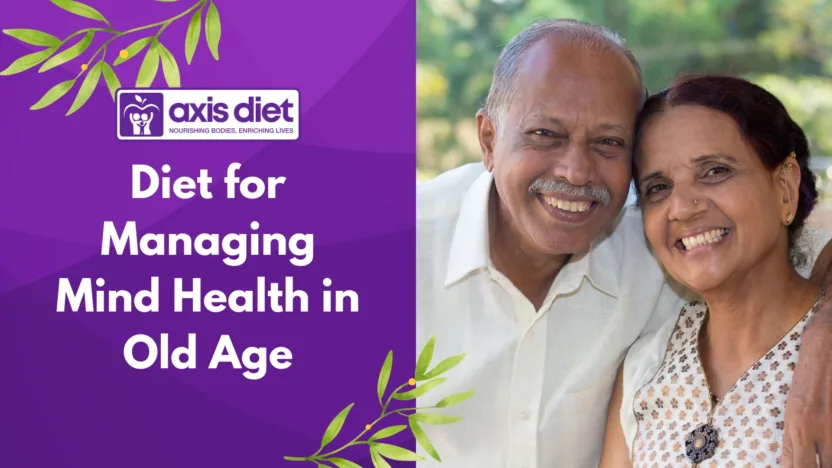
Maintaining memory and brain health is crucial as we age. Incorporating specific brain-boosting foods from Indian cuisine can help enhance cognitive function and delay age-related decline. This guide explores nutrient-rich Indian dietary options that support elderly brain health naturally and effectively.
Importance of Brain Health in Elderly
Brain health emerges as a crucial aspect of aging, deeply influencing memory retention, cognitive performance, and emotional stability in elderly individuals. As the brain ages, natural physiological changes occur—such as a reduction in neuron count, diminished neurotransmitter production, and decreased cerebral blood flow. These shifts can lead to slower information processing, challenges in learning new skills, and occasional forgetfulness. Such transformations not only affect intellectual abilities but can also strain emotional well-being, increasing susceptibility to mood disorders and anxiety.
The process of aging alters the brain’s structural integrity and functional efficiency. Oxidative stress and inflammation gradually impair neural connections vital for cognition. Cognitive decline is not an inevitable outcome but is often accelerated by lifestyle and dietary factors. Hence, emphasizing brain health in old age is essential to preserve quality of life and maintain independence.
Diet plays a foundational role in supporting brain function throughout this phase. Nutritional intake tailored to the elderly can help counterbalance age-related neurological changes. A well-planned diet nurtures neuronal health, safeguards against oxidative damage, fosters neuroplasticity, and supports mood regulation. Brain-boosting foods rich in antioxidants, healthy fats, and micronutrients can replenish declining reserves, maintain synaptic communication, and enhance mental clarity.
Elderly individuals require nutrition that accommodates altered metabolism, digestive capacity, and absorption efficiency. Specific attention to meal composition ensures adequate supply of vital compounds while avoiding harmful substances that can impair cognition. For instance, balanced intake of nutrient-dense traditional Indian foods such as leafy greens, nuts, seeds, and millets provides a robust foundation for sustained mental acuity.
Beyond macro- and micronutrient content, personalized dietary strategies can address common age-related issues such as inflammation, vascular health, and insulin sensitivity—all indirectly influencing brain function. The significance of such focused nutrition becomes even more apparent considering the growing prevalence of neurodegenerative disorders and memory impairments among the elderly population.
Acknowledging the brain as a metabolically demanding organ highlights the importance of consistent nourishment with quality ingredients. This perspective encourages the integration of culturally familiar and accessible Indian brain foods to enhance cognitive resilience. By prioritizing brain health through diet, elderly individuals stand a better chance at preserving memory, maintaining cognitive independence, and enjoying emotional balance for longer durations.
For further insights into how tailored dietary approaches benefit seniors, see this diet plan for elderly with diabetes, which includes strategies to support overall health and cognitive function.
Key Nutrients Supporting Cognitive Function
Omega-3 fatty acids are crucial for brain health, particularly supporting memory and cognitive function. These essential fats help build neuronal membranes and enhance neurotransmission. In Indian diets, omega-3s are predominantly found in flaxseeds, walnuts, and certain fish like Indian mackerel and sardines. Including these can improve synaptic plasticity, which declines with age. Beyond structural support, omega-3s exhibit anti-inflammatory properties, reducing neural inflammation linked to cognitive decline.
Antioxidants such as polyphenols and flavonoids combat oxidative stress, a key contributor to neuronal damage in aging brains. Indian foods rich in antioxidants include spices like turmeric and cloves, fruits such as amla and guava, and vegetables like spinach and drumsticks. These antioxidants neutralize free radicals, protecting brain cells from damage. This protection helps maintain cognitive functions like attention and memory.
Vitamins play an indispensable role in neural function. Vitamin B complex, especially B6, B9 (folate), and B12, support neurotransmitter synthesis and reduce homocysteine levels—a compound associated with brain atrophy. Indian staples like lentils, green leafy vegetables (spinach, methi), and dairy are excellent sources of B vitamins. Vitamin C, abundant in citrus fruits and amla, aids in collagen formation and protects the brain from oxidative damage. Vitamin D influences neuroprotection and mood regulation. It is synthesized in the skin with sunlight but is also found in fortified dairy products and eggs commonly consumed in Indian diets.
Vitamin E acts as a powerful lipid-soluble antioxidant, preserving the integrity of cell membranes in the brain. Nuts such as almonds and sunflower seeds, both common in Indian snacks, provide ample vitamin E. This vitamin also helps slow down age-related cognitive decline by guarding against oxidative stress.
Essential minerals like zinc and magnesium contribute significantly to cognitive health. Zinc plays a pivotal role in synaptic transmission and immune function, reducing the risk of neuroinflammation. Common Indian sources include legumes, dairy, and whole grains. Magnesium supports neuronal plasticity and the synthesis of neurotransmitters such as serotonin. Foods rich in magnesium include leafy greens, nuts, seeds, and whole cereals like ragi and bajra.
Together, these nutrients sustain neural function by promoting healthy brain cell communication, shielding neurons from oxidative damage, and balancing neuroinflammation. Integrating Indian foods naturally rich in these nutrients into elderly diets can effectively enhance memory and cognitive abilities, addressing the nutritional needs unique to aging brains.
For understanding diverse brain-healthy nutrients from natural sources, consider exploring harnessing the power of vitamins for body and mind wellness.
Traditional Indian Brain Foods with Benefits
Turmeric, a golden-yellow spice native to India, contains curcumin, its key active compound. Curcumin exhibits powerful antioxidant and anti-inflammatory properties that help protect brain cells from oxidative damage. It also supports the formation of new neurons and improves synaptic plasticity, enhancing memory and cognitive function in the elderly. Regular inclusion of turmeric in the diet may reduce the risk of neurodegenerative diseases by modulating brain inflammation and oxidative stress.
Flaxseeds are rich in alpha-linolenic acid (ALA), a type of plant-based omega-3 fatty acid essential for brain health. ALA contributes to maintaining cellular membrane integrity and facilitating efficient neural communication. Flaxseeds also provide lignans and fiber, which offer antioxidant and anti-inflammatory effects, helping to reduce cognitive decline common in aging populations. Incorporating ground flaxseeds in daily meals ensures better absorption of these brain-supportive nutrients.
Nuts, such as almonds, walnuts, and pistachios, have long been embraced in Indian culture for their nourishing qualities. Walnuts are particularly notable for their high concentration of omega-3 fatty acids, antioxidants, and polyphenols. These compounds combat oxidative stress, strengthen synaptic functions, and promote neuronal repair. Almonds provide vitamin E, a potent antioxidant that protects neurons from free radical damage and supports memory retention. Together, nuts contribute to improved cognitive resilience in older adults.
Green leafy vegetables like spinach, amaranth, and fenugreek are excellent sources of folate, vitamin K, and beta carotene. Folate is vital for DNA synthesis and repair in brain cells, supporting overall cognitive vigor. Vitamin K plays a significant role in brain cell signaling and prevents cognitive impairment by enhancing neural metabolism. Beta carotene’s antioxidant capacity helps neutralize free radicals, reducing inflammation in brain tissue and preserving memory function with age.
Legumes such as chickpeas, lentils, and kidney beans are rich in proteins, B vitamins (especially B6), and essential minerals like zinc and magnesium. These nutrients assist in neurotransmitter synthesis and promote healthy nerve function. Zinc protects brain cells from oxidative damage, while magnesium supports synaptic plasticity and learning. The low glycemic nature of legumes also benefits brain health by stabilizing blood sugar levels, thus preventing cognitive disruptions caused by glucose fluctuations.
Incorporating these traditional Indian brain foods into the daily diet not only enriches nutrient intake but synergizes multiple pathways to strengthen memory and cognition in the elderly. Each food’s unique combination of bioactive compounds works together to reduce oxidative stress, enhance neural connections, and support healthy brain aging.
For more insight on nutrient-rich Indian foods and their impact, you can explore omega-3 fatty acids and brain health in Indian diets.
Formulating a Balanced Indian Diet Plan
Structuring a balanced Indian diet for elderly individuals focusing on brain health involves careful attention to portion sizes, meal timing, and food combinations. The goal is to provide sustained energy and optimal nutrient absorption to support cognitive functions. Portion sizes should align with reduced metabolic needs and digestion efficiency in old age. Typically, meals should be moderate, avoiding large, heavy portions that can cause lethargy or interfere with nutrient uptake. Small, frequent meals spaced evenly through the day prevent blood sugar spikes and support consistent brain energy.
For enhancing nutrient absorption, it is important to combine foods wisely. Incorporating healthy fats like those from nuts, seeds, or mustard oil improves the bioavailability of fat-soluble vitamins such as Vitamin E and curcumin compounds found in turmeric. Adding a source of Vitamin C-rich vegetables or fruits, like amla or citrus, alongside iron-rich legumes or green leafy vegetables enhances iron uptake, vital for brain oxygenation and function.
Meal timing should align with the elderly person’s natural circadian rhythms. Breakfast ideally occurs within an hour of waking to refuel brain glucose after overnight fasting. Mid-morning and mid-afternoon snacks can help maintain cognitive alertness. Dinner should be consumed at least two to three hours before bedtime to avoid indigestion and promote restful sleep, crucial for memory consolidation.
Sample brain-healthy Indian meal plans could include:
- Breakfast: A bowl of poha with peanuts and curry leaves, or moong dal chilla stuffed with paneer, combined with a glass of buttermilk. These provide protein, antioxidants, and healthy fats to start the day.
- Lunch: A plate with mixed vegetable sabzi rich in green leafy vegetables, brown rice or millets like bajra or jowar, and a bowl of dal tempered with turmeric and cumin. This combination ensures fiber, antioxidants, and polyphenols.
- Dinner: Light yet nutrient-dense options such as ragi roti with sautéed spinach and a bowl of low-fat curd or vegetable khichdi enriched with flaxseeds. These meals support brain function while aiding digestion.
- Snacks: Handfuls of roasted nuts like walnuts and almonds, fresh fruit slices such as guava or papaya, or a small serving of makhana roasted with a pinch of salt and turmeric.
Maintaining hydration with water and herbal teas like tulsi or ginger tea throughout the day supports metabolic and cognitive function. Incorporating a variety of whole foods from different groups on a weekly basis helps cover a broad spectrum of brain-supportive nutrients including omega-3 fatty acids, B vitamins, antioxidants, and minerals such as magnesium and zinc.
For a more detailed guide on managing meal portions and structuring eating patterns for seniors, refer to this comprehensive Diet Tips for Seniors article. It provides practical suggestions tailored to Indian food preferences and elderly nutritional needs, enhancing brain health through diet.
Lifestyle Factors Complementing Diet for Brain Health
Lifestyle practices play a crucial role alongside diet in maintaining and enhancing brain health for elderly individuals. A holistic approach that combines proper nutrition with targeted lifestyle habits can significantly support cognitive function and memory. Among these, regular physical activity is fundamental. Exercise increases blood flow to the brain, encouraging the growth of new neural connections and reducing the risk of cognitive decline. In the Indian context, activities such as brisk walking, yoga, and simple stretching exercises can be incorporated easily into daily routines, providing both physical and mental benefits.
Along with physical activity, engaging in mental exercises is equally essential. The elderly can benefit from activities that challenge their brains, such as solving puzzles, reading, or playing strategic games. These exercises stimulate different areas of the brain, promoting neuroplasticity, which helps maintain cognitive agility. Encouraging social interactions and conversations can further sharpen mental faculties and reduce feelings of isolation.
Another vital aspect is stress management. Chronic stress negatively impacts memory and cognitive abilities by increasing cortisol levels, which may damage brain cells over time. Techniques such as meditation, deep breathing exercises, and spending time in nature can effectively reduce stress. Indian traditions offer many accessible methods, including pranayama and mindfulness practices, which calm the mind and improve focus.
Equally important is adequate sleep. Quality sleep helps clear toxins from the brain and consolidates memory. Many elderly face sleep disturbances, but maintaining a consistent sleep schedule, limiting heavy meals before bedtime, and creating a peaceful sleeping environment can improve sleep quality. Avoiding excessive screen time in the evening and incorporating calming rituals before sleep can also help.
Combining these lifestyle elements with the right diet creates a synergistic effect, promoting optimal brain health. Elders can adopt small, consistent changes, like a daily 30-minute walk followed by mental engagement activities or relaxing meditation sessions before bedtime. Such balanced routines complement brain-healthy foods, enhancing nutrient utilization and cognitive resilience.
For deeper insights on suitable physical activities and their benefits, readers may refer to guidance on the power of yoga in wellbeing. This holistic combination can empower elderly individuals to support their memory and overall brain function more effectively.
Common Dietary Challenges Faced by the Elderly in India
The elderly in India often face several dietary challenges that affect their ability to maintain a brain-healthy diet. One key issue is decreased appetite, which naturally occurs due to changes in metabolism and taste perception with age. This decline can make it difficult to consume sufficient nutrients essential for cognitive function. To counter this, offering smaller, nutrient-dense meals more frequently can help meet daily needs without overwhelming them. Including aromatic spices and herbs familiar in Indian cuisine may also stimulate appetite effectively.
Digestion difficulties are common, such as reduced digestive enzyme production and slower gastrointestinal motility. These factors can cause bloating, constipation, and discomfort, discouraging adequate food intake. Incorporating easily digestible foods like cooked vegetables, dals, and fermented items such as idli or fermented millet preparations can ease digestion while supporting the gut microbiome. Drinking warm fluids like buttermilk or herbal teas post-meals can further aid digestive health.
Socio-economic factors play a significant role in shaping the elderly diet in India. Limited financial resources often restrict access to a wide variety of fresh fruits, vegetables, and proteins. This limitation can lead to monotonous diets lacking essential micronutrients needed for brain health. Practical solutions include choosing seasonal and local produce, which are more affordable and nutritionally rich. Utilizing traditional preservation methods like sun-drying or pickling can extend the availability of diverse foods.
Accessibility also poses challenges, particularly in rural or less urbanized areas where fresh foods may not be readily available or affordable. Encouraging home or community gardens to grow leafy greens and simple vegetables can improve food security. Additionally, simple recipes using pantry staples enriched with brain-supporting ingredients such as nuts, seeds, and legumes can be incorporated creatively to overcome scarcity concerns.
Hydration is another overlooked aspect affecting cognition and appetite in elders. Ensuring adequate fluid intake through water, herbal infusions, and traditional beverages like fresh coconut water helps maintain brain function and overall health. Regular mealtimes paired with calming environments can also promote better eating habits.
By addressing these common obstacles with culturally appropriate and practical approaches, elderly individuals can better adhere to diets that support memory and brain health. For more insights on optimizing digestion and gut health, refer to this guide on fermented foods and gut health, which highlights foods that can enhance nutrient absorption and brain function in older adults.
Personalized Diet Consultation for Optimal Brain Health
Personalized diet consultation plays a vital role in managing memory and brain health, especially in elderly individuals. Every person’s nutritional needs differ based on medical history, medications, digestive capabilities, and lifestyle choices. A general diet plan often overlooks these subtleties, reducing its effectiveness. Consulting with a dietitian or a nutritional expert helps in creating a customized Indian diet plan that considers individual preferences, cultural practices, and comorbidities such as diabetes, hypertension, or thyroid issues. This tailored approach ensures nutritional adequacy without compromising enjoyment or adherence.
Professional guidance helps identify specific nutrient gaps that might impair cognitive functions, such as insufficient omega-3 fatty acids, B vitamins, antioxidants, or minerals like magnesium and zinc. Experts use detailed assessments to recommend precise food combinations and portion sizes that enhance brain function, improve nerve signaling, and support neuroplasticity. They take into account challenges common among the elderly, such as decreased appetite or digestion difficulty, by suggesting foods that are gentle on the stomach yet rich in essential nutrients.
A personalized consultation also integrates lifestyle factors—activity levels, meal timings, and hydration habits—which significantly impact brain health alongside diet. For instance, a dietitian might suggest spreading protein intake throughout the day or including specific spices known for their anti-inflammatory benefits. They may also advise substitutions to accommodate dental health issues or socioeconomic constraints, ensuring the plan remains realistic and sustainable.
Moreover, a nutritional expert can advise on how to combine traditional Indian brain foods—like nuts, millets, legumes, and leafy greens—with modern nutrition science, optimizing the bioavailability of vitamins and antioxidants. They can recommend cooking methods that preserve nutrient content and enhance digestion, such as steaming vegetables or tempering spices with minimal oil.
Continuous monitoring and follow-up consultations enable timely adjustments to the diet plan as health conditions evolve. This dynamic process maximizes cognitive benefits and helps prevent nutrient deficiencies that are common with aging.
For those seeking to enhance memory and overall brain health through an Indian diet tailored specifically to their needs, professional support is invaluable. Unlock the power of a personalized nutritional strategy by consulting experienced dietitians who understand the nuances of elderly care and traditional diets.
Take the first step towards optimal brain health by booking a personalized diet consultation at https://www.axisdiet.com/consult/. Invest in a plan designed exclusively for you, based on your unique health profile and lifestyle.
Final words
Incorporating brain-healthy Indian foods into daily meals is an effective strategy for managing memory and cognitive decline in old age. Emphasizing nutrient-rich ingredients and balanced nutrition can support lifelong brain vitality. Adopting a mindful diet tailored to individual needs promotes overall well-being in the elderly population.
The content provided in this blog post is intended for general knowledge and informational purposes only. It should not be considered a substitute for professional medical advice, diagnosis, or treatment. For personalized health recommendations tailored to your individual needs, we highly encourage you to connect with our certified clinical dietitians. Visit us at Axis Diet Consulting to schedule a consultation and take the first step toward your health journey!