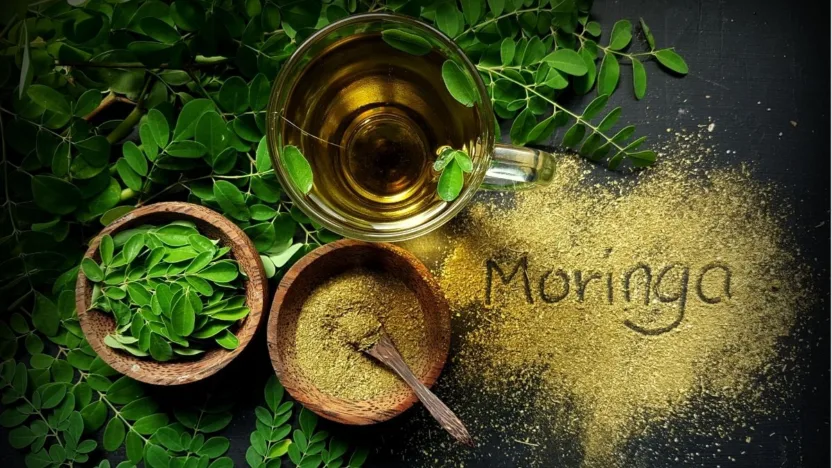
Moringa powder is gaining popularity in Indian diets due to its rich nutritional profile and numerous health benefits. This natural supplement boosts immunity, supports digestion, and enhances overall wellness, making it a valuable addition to daily meals.
Nutritional Profile of Moringa Powder
Moringa powder is renowned for its exceptionally rich and diverse nutritional profile, making it a valuable addition to the Indian diet. It contains a robust blend of essential vitamins, minerals, antioxidants, and high-quality protein that support multiple bodily functions and overall well-being. Among the vitamins, moringa powder is particularly abundant in vitamin A, which supports vision and skin health, along with significant amounts of vitamin C that are vital for tissue repair and immune function. It also offers notable quantities of several B-complex vitamins that aid in energy metabolism and brain health.
The mineral content of moringa powder is equally impressive. It provides calcium crucial for bone strength, iron necessary for oxygen transport in the blood, and significant levels of magnesium, potassium, and zinc, which are essential for cardiovascular health, muscle function, and immune response. These minerals work synergistically to maintain electrolyte balance, promote healthy nerve signaling, and support cellular repair mechanisms.
Proteins in moringa powder stand out due to their complete amino acid spectrum. These plant-based proteins contribute effectively to muscle maintenance, enzymatic functions, and hormone synthesis. For vegetarians or those seeking alternative protein sources, moringa powder offers a nutritious option to help meet daily protein requirements without relying on animal products.
Another key component of moringa powder is its array of antioxidants, including flavonoids, polyphenols, and vitamin E. These compounds help neutralize harmful free radicals, reducing oxidative stress and mitigating damage at the cellular level. This antioxidant capacity is fundamental to why moringa is classified as a superfood, as it supports healthy aging, reduces inflammation, and protects against chronic diseases.
The presence of dietary fiber in moringa powder also aids digestive health by promoting regular bowel movements and fostering a healthy gut microbiome. Combined with its low-calorie nature, moringa powder enhances nutrient density without contributing excessive energy, aligning well with balanced diet principles.
Integrating moringa powder into traditional Indian dishes can significantly boost nutrient intake and improve dietary quality. Its nutrient-rich nature complements staples such as lentils, vegetables, and grains, helping bridge nutritional gaps common in plant-based diets.
For insight into optimal nutrition strategies that include protein-rich options like moringa, refer to this high protein Indian breakfast guide which explains how various ingredients contribute to balanced meals.
Moringa Powder and Immune System Support
Moringa powder plays a significant role in enhancing the immune system through its rich antioxidant content. Antioxidants are vital molecules that protect the body from damage caused by oxidative stress, which occurs when free radicals overwhelm the body’s defense mechanisms. Free radicals are unstable molecules that can damage cells, proteins, and DNA, contributing to weakened immunity and increased vulnerability to infections. Moringa powder contains powerful antioxidants like vitamin C, quercetin, and chlorogenic acid that help neutralize these harmful molecules, thus reducing oxidative damage and supporting overall immune health.
By combating oxidative stress, moringa powder supports the body’s natural defense mechanisms, keeping them strong and efficient. It boosts the activity of immune cells such as macrophages, lymphocytes, and natural killer cells that identify and fight pathogens. The presence of essential vitamins such as vitamin A and zinc further enhances immune responses by promoting the production and function of antibodies, which are critical in targeting viruses and bacteria.
Moringa’s anti-inflammatory compounds also contribute to immune system support. Chronic inflammation can impair immune function, but moringa’s bioactive compounds help modulate inflammation, allowing the immune system to respond appropriately without excessive damage to healthy tissues. This balance is crucial for maintaining an effective immune response, especially during periods of stress, illness, or exposure to environmental toxins.
Consuming moringa powder regularly can aid in replenishing key nutrients that are often depleted during immune challenges. Its comprehensive nutrient profile provides both macro and micronutrients essential for the repair and maintenance of immune tissues. Moreover, moringa powder may support gut health, which is intrinsically linked to immunity because a large portion of immune cells reside in the gastrointestinal tract. A healthy gut environment fosters better immune surveillance and response.
The immunomodulatory effects of moringa powder mean it doesn’t just boost immunity temporarily but helps regulate it over time, supporting immune tolerance and preventing overactive immune reactions that can lead to allergies or autoimmune disorders.
The integration of moringa powder in Indian diets aligns well with traditional practices of using nutrient-rich plant-based ingredients to maintain health and resilience. Its potential to strengthen immunity amidst various health challenges makes it a valuable addition to daily meals.
For further insight into building a robust immune system through diet, exploring immunity-boosting foods can be helpful. More information is available on immunity boosting diet.
Improving Digestion with Moringa Powder
Moringa powder offers significant benefits for digestive health, largely due to its rich fiber content and anti-inflammatory properties. The dietary fiber present in moringa powder plays a fundamental role in promoting smooth digestion. Fiber acts as a natural cleanser for the digestive tract by increasing stool bulk and encouraging regular bowel movements. This helps prevent common digestive discomforts such as constipation and bloating. Additionally, the fiber in moringa supports the growth of beneficial gut bacteria, contributing to a balanced microbiome which is essential for effective digestion and overall gut health.
Beyond fiber, moringa contains various bioactive compounds known for their ability to reduce inflammation in the gastrointestinal tract. Chronic inflammation in the gut can lead to conditions such as irritable bowel syndrome (IBS) and inflammatory bowel diseases (IBD). Moringa’s anti-inflammatory agents help soothe the intestinal lining and reduce irritation, which promotes better absorption of nutrients. This effect ensures that the digestive system functions optimally, allowing the body to gain maximum nutritional benefit from the diet.
Regular consumption of moringa powder supports the maintenance of a healthy digestive system by improving enzyme secretion. These enzymes aid in the breakdown of food into nutrients, enhancing bioavailability and absorption. Improved nutrient absorption is crucial for meeting the body’s daily requirements for vitamins, minerals, and antioxidants. Moringa also has mild detoxifying properties, assisting the body in eliminating toxins that can burden the digestive organs.
Integrating moringa powder into traditional Indian meals is simple, whether added to dals, chutneys, or smoothies. Its versatility allows individuals to enhance their fiber intake effortlessly. This can be especially beneficial in diets that sometimes lack sufficient fiber due to refined grains or limited vegetable consumption. A healthy digestive system supported by moringa encourages better metabolic health, improved energy levels, and can even boost immunity indirectly by fostering gut health.
To better understand the importance of fiber in digestion, exploring how it aids gut health in Indian diets can be insightful. More details on this are available in What is Fibre?
Role of Moringa in Managing Blood Sugar and Cholesterol
Moringa powder plays a notable role in managing blood sugar and cholesterol, making it a valuable addition for those focused on diabetes and heart health. Scientific studies reveal that moringa contains bioactive compounds capable of enhancing glucose metabolism. This helps regulate blood sugar levels by promoting insulin sensitivity and reducing insulin resistance. In individuals with diabetes, moringa’s ability to moderate glucose spikes after meals can be particularly beneficial, supporting stable energy release and preventing harmful sugar surges in the bloodstream.
Moringa’s impact on cholesterol is equally significant. Research suggests that its rich content of antioxidants and plant sterols contributes to lowering total cholesterol, especially low-density lipoprotein (LDL) — often called “bad cholesterol.” These effects reduce the risk of plaque buildup in arteries, thus aiding cardiovascular health. By improving lipid profiles, moringa powder supports the maintenance of a healthy heart, which is crucial for people prone to heart disease or managing elevated cholesterol through diet.
Key mechanisms behind moringa’s benefits include:
- Antioxidant activity: Protects blood vessels by neutralizing free radicals, preventing oxidative damage linked to heart disease and diabetes complications.
- Anti-inflammatory properties: Chronic inflammation often worsens insulin resistance and arterial health, whereas moringa helps reduce these inflammatory markers.
- Fiber content: Promotes slower absorption of sugar in the intestines, which helps smooth out blood sugar fluctuations and aids cholesterol reduction through bile acid binding.
- Essential micronutrients: Vitamins such as vitamin C and minerals like magnesium support metabolic processes involved in glucose and lipid control.
Clinical trials have shown that regular consumption of moringa powder reduced fasting blood sugar and improved lipid profiles in people with type 2 diabetes. Additionally, moringa may provide liver support, enhancing its role in metabolizing fats and sugars efficiently. This holistic metabolic support is why moringa serves as a natural dietary tool for managing chronic metabolic conditions.
For those integrating moringa into their diet to aid blood sugar and cholesterol management, consistent use is key. It is ideal to combine moringa powder with an overall balanced eating pattern, controlling carbohydrate quality and fat intake. Incorporating it along with traditional foods can enhance its effectiveness without disrupting dietary preferences.
Dietary strategies for those managing these conditions often emphasize low glycemic index foods and heart-healthy fats. Moringa fits well within this framework, adding nutritional value without extra calories. Its multifaceted action supports not only blood sugar and cholesterol but also overall metabolic wellness, a critical factor in diabetes and cardiovascular disease management.
For practical advice on how to use moringa alongside Indian diet plans for blood sugar control, see resources such as the diet for type 2 diabetes. This demonstrates how moringa can complement traditional strategies that focus on nutrient-dense, balanced meals.
Incorporating Moringa Powder in Traditional Indian Recipes
Incorporating moringa powder into traditional Indian recipes offers a nutritious twist without disrupting familiar flavors. The powder has a mild, earthy, and slightly peppery taste, which blends well with a variety of dishes. Its subtle flavor means it can be added in measured amounts to enhance nutrition without overpowering the original taste. When using moringa powder in Indian cooking, the key is to balance its inclusion thoughtfully.
In dals, moringa powder can be stirred in during the final stage of cooking. Adding about one teaspoon per serving intensifies the nutritional profile while keeping the flavor harmonious. For instance, mixing moringa into moong dal or toor dal just before turning off the heat preserves its antioxidants and vitamins. Avoid prolonged cooking after adding moringa, as heat can diminish its nutritive value and introduce a bitter aftertaste.
Chutneys are another excellent medium to incorporate moringa powder. Combining it with classic ingredients like mint, coriander, tamarind, or coconut enhances both flavor and health benefits. Use moringa sparingly in chutneys—starting with half a teaspoon per batch—to maintain the delicate balance of spice and tang that chutneys are known for. The green color of moringa powder also adds a vibrant hue, making chutneys more visually appealing.
Smoothies and health drinks offer a modern way to enjoy moringa powder alongside traditional Indian flavors. Blending moringa with yogurt, banana, or mango creates a refreshing, nutrient-packed beverage. Its slightly peppery taste complements sweet and tangy fruits well. For those seeking a lighter option, mixing moringa powder in buttermilk or lassi can subtly boost nutrition without overwhelming the palate.
Some practical tips to keep in mind: always measure the powder carefully to prevent bitterness, and consider mixing it with oil or ghee in tempering to mellow its flavor. Moringa powder’s slight earthiness pairs well with cumin, mustard seeds, and curry leaves, so including these traditional seasoning elements can help maintain taste balance. For dishes that require longer cooking times, add moringa towards the end to preserve its nutrients and prevent any strong flavors from developing.
Its versatility allows including moringa powder in snacks like stuffed parathas or even sprinkled atop salads. However, gradual introduction is advisable, especially for those unfamiliar with moringa, to allow the palate to adjust comfortably.
Overall, moringa powder enhances the nutrient density of common Indian meals such as dals, chutneys, and smoothies. Its mild peppery notes fit well within the complex spice profiles of Indian cuisine when used judiciously. Experimenting with small additions can diversify daily meals while supporting wellness goals.
For practical meal planning ideas with balanced nutrition, refer to weight loss meal prep ideas for office goers, which highlight how nutrient-dense ingredients integrate seamlessly into Indian diet patterns.
Moringa Powder for Skin and Hair Health
Moringa powder offers remarkable benefits for both skin and hair due to its rich nutrient profile. It contains vitamins A, C, and E, along with essential minerals like zinc and iron that play crucial roles in maintaining healthy skin and hair. Key to its efficacy is its antioxidant content, which helps neutralize free radicals that cause premature aging and damage. This protection supports collagen production, a protein responsible for skin elasticity and firmness. Enhanced collagen synthesis helps reduce wrinkles and fine lines while promoting a youthful, glowing complexion.
Hydration is another essential aspect supported by moringa powder. Vitamin C helps maintain moisture levels in the skin by enhancing the skin barrier function. This hydration not only keeps the skin supple but also assists in wound healing and reducing dryness. Moreover, moringa’s anti-inflammatory properties soothe irritated skin, easing redness and conditions like eczema or acne, making it an excellent natural ingredient for sensitive skin.
For hair health, moringa’s nutrients strengthen hair follicles and encourage growth. The iron content improves blood circulation to the scalp, ensuring follicles receive sufficient oxygen and nutrients to promote healthy strands. Additionally, vitamin A stimulates sebum production that naturally conditions the scalp, preventing dryness and dandruff. Moringa’s antioxidants also protect hair from oxidative stress that damages hair cells, helping retain natural shine and reduce breakage.
Both topical and dietary uses of moringa powder can enhance skin and hair health effectively. When applied topically, moringa powder can be mixed with water, honey, or other natural ingredients to create face masks or hair packs. These preparations provide direct nourishment while absorbing excess oils and impurities without harsh chemicals. Regular use of moringa masks can improve skin texture and scalp health over time.
Dietary incorporation involves adding moringa powder to smoothies, juices, or meals to deliver its benefits from within. Consuming moringa supports overall nutrient intake, improving skin and hair condition by nourishing the body at a cellular level. Combining internal intake with periodic topical treatments results in a comprehensive approach to beauty and wellness.
Its versatility makes moringa powder a valuable addition to self-care routines. For skin, mixing moringa powder with natural oils or yogurt can enhance hydration and brighten the complexion. For hair, it can be combined with herbal rinses or oils to promote strength and shine. Such traditional and modern uses of moringa resonate well with holistic wellness principles inherent in Indian dietary and beauty practices.
For more on how natural ingredients support hair health, see healthy hair.
Consulting Experts for Personalized Diet Plans with Moringa
Integrating moringa powder into your diet offers numerous health benefits, but its effects can vary based on individual health conditions and dietary needs. This variability makes it crucial to consult experienced diet professionals before adding moringa to your nutritional regime. Dietitians and nutritionists can assess your health status, dietary preferences, and lifestyle to craft personalized plans that maximize moringa’s advantages while minimizing potential risks.
The nutrient profile of moringa powder includes vitamins, minerals, antioxidants, and essential amino acids, all of which interact uniquely within individual metabolic environments. For example, individuals with specific conditions like diabetes, hypertension, or thyroid issues may require specialized guidelines regarding moringa consumption to avoid adverse effects or drug interactions. Consulting experts ensures moringa powder is incorporated in safe dosages and combinations.
Experts consider these critical factors when customizing moringa-based diet plans:
- Existing Medical Conditions: Tailor intake to complement medication and manage symptoms effectively.
- Nutrient Deficiencies: Address gaps in diet, potentially leveraging moringa’s rich micronutrient content.
- Allergies and Sensitivities: Reduce risks associated with moringa supplements by identifying contraindications.
- Dietary Habits: Align moringa use with Indian culinary preferences and meal timings for better absorption.
- Health Goals: Whether aiming for weight management, enhanced immunity, or improved digestion, plans are adjusted accordingly.
Incorporating moringa as part of a weight loss diet or to support metabolic health can have distinct outcomes based on an individual’s characteristics. Hence, the personalized advice offered by diet professionals enables you to monitor progress and make necessary adjustments over time. This controlled approach prevents common pitfalls like overconsumption or mismatched nutrient intake.
Adopting moringa powder without professional guidance might ignore subtle interactions with other foods or supplements. Furthermore, experts can recommend the most suitable form of moringa—be it powder, capsules, or fresh leaves—considering factors like bioavailability and taste preferences. This holistic strategy promotes sustainable and enjoyable dietary habits.
Final words
Incorporating moringa powder into the Indian diet offers multiple health benefits including enhanced nutrition and improved digestion. Its versatile uses make it an excellent natural supplement. Embracing moringa can support wellbeing and vitality for people of all ages.
The content provided in this blog post is intended for general knowledge and informational purposes only. It should not be considered a substitute for professional medical advice, diagnosis, or treatment. For personalized health recommendations tailored to your individual needs, we highly encourage you to connect with our certified clinical dietitians. Visit us at Axis Diet Consulting to schedule a consultation and take the first step toward your health journey!