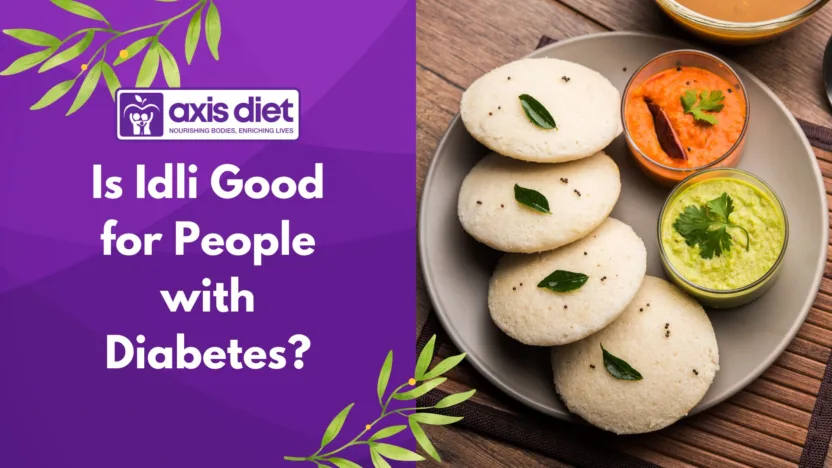
Idli is a popular South Indian food made primarily from fermented rice and urad dal. This article explores whether idli is a suitable and healthy food option for people managing diabetes by examining its nutritional value, glycemic index, and impact on blood sugar levels.
Nutritional Composition of Idli
Idli is primarily made from a batter of rice and urad dal (black gram lentils). Understanding its nutritional composition is key to evaluating how suitable it is for people with diabetes. The two main ingredients bring a blend of macronutrients and micronutrients that impact energy levels and metabolic responses.
Rice serves as the main carbohydrate source in idli. It mostly provides complex carbohydrates, which are essential for sustained energy. The rice used in idli is typically a parboiled or red variety, containing starch and a small amount of dietary fiber. Cooked rice contributes around 25-30 grams of carbohydrates per serving of idli, depending on portion size, along with minimal fats and proteins. However, rice is relatively low in fiber compared to whole grains.
Urad dal complements rice by adding a rich source of protein, dietary fiber, and some fats. On average, urad dal contributes about 6-9 grams of protein per serving, making idli a balanced meal with respect to macronutrient distribution. Proteins from urad dal are critical for muscle repair, satiety, and slowing down the digestion of carbohydrates. Additionally, it contains essential micronutrients such as iron, potassium, calcium, and magnesium, which support overall metabolic health.
The fat content in idli is naturally low, generally under 1 gram per serving, making it a heart-friendly option. The minimal fat primarily comes from the urad dal, which contains some unsaturated fatty acids beneficial for cardiovascular health.
Fermentation plays a crucial role in modifying the nutritional profile of idli. The batter undergoes natural fermentation by lactic acid bacteria and yeast, which increases the bioavailability of nutrients. Fermentation breaks down complex starches and proteins, making them easier to digest and absorb. It also leads to the production of B vitamins like folate and riboflavin that support metabolism and energy production.
One significant benefit of fermentation is the reduction in anti-nutritional factors such as phytic acid found in rice and urad dal. Phytic acid can inhibit mineral absorption, so reducing it enhances the availability of important minerals like zinc and iron. This process also promotes the growth of probiotics, supporting better gut health, which may improve glucose metabolism indirectly.
Furthermore, fermentation slightly lowers the glycemic response by creating organic acids that slow gastric emptying. This characteristic can aid in better blood sugar control for people with diabetes.
Overall, idli combines complex carbohydrates and high-quality plant proteins with essential micronutrients in a low-fat, easily digestible form. The fermentation process enhances nutrient absorption and digestive benefits, making idli a nutritionally balanced food that fits well into diabetes-friendly diets when consumed in appropriate portions.
For more insights on managing blood sugar through diet, see low glycemic index Indian foods.
Understanding Glycemic Index and Idli
Glycemic Index (GI) is a measure that ranks carbohydrate-containing foods based on how they affect blood glucose levels after eating. It compares the rise in blood sugar caused by a food to that caused by a standard reference, usually glucose or white bread. The value ranges from 0 to 100. Foods with a low GI (55 or below) cause a slower, more gradual increase in blood sugar, while those with a high GI (70 and above) lead to rapid spikes. For people with diabetes, understanding GI is vital because it helps manage postprandial blood sugar and reduces the risk of complications.
Idli, a traditional fermented rice and urad dal cake, has a GI value that generally falls in the low to moderate range, typically estimated between 35 and 70 depending on preparation methods. This places it on the lower end compared to many common breakfast foods. For example:
- White bread generally has a GI of around 70-75.
- Boiled white rice ranges near 70.
- Oatmeal usually falls between 55-65.
This comparatively lower GI of idli means it causes a slower release of glucose into the bloodstream. When consumed, blood sugar rises more steadily and is easier to manage for individuals with diabetes. The glycemic response to idli is influenced by several factors:
- Fermentation: The natural fermentation process breaks down complex carbohydrates and produces organic acids. These acids slow gastric emptying and carbohydrate absorption, effectively lowering the GI. Fermentation also enhances the bioavailability of nutrients, which may improve metabolic responses.
- Size and portion: Larger serving sizes provide more carbohydrates, which can raise overall blood glucose levels, even if the GI per serving is low. Controlling portion size is essential for blood sugar management.
- Ingredients and batter consistency: Using parboiled rice or mixing different types of lentils can further reduce the GI. The thickness of the batter and cooking time also influence the texture and digestibility, impacting GI.
Compared to other breakfast staples, idli’s fermentation and combination of carbohydrates and proteins from urad dal contribute to its favorable glycemic profile. This makes it a better choice for people aiming to control blood sugar levels while enjoying a culturally familiar food. However, individual response may vary based on factors like insulin sensitivity and concurrent food intake.
For more insights on managing blood sugar levels with appropriate food choices, you can explore low glycemic index Indian foods, which may help in planning diabetes-friendly meals.
Impact of Idli on Blood Sugar Levels
The impact of idli on blood sugar levels in individuals with diabetes has been the subject of scientific inquiry due to idli’s widespread consumption as a staple food. Clinical studies reveal that idli generally produces a moderate rise in blood glucose, largely due to its unique preparation involving fermentation and its balanced macronutrient composition. The fermentation process not only improves digestibility but also alters the starches, leading to a slower absorption of carbohydrates. This slower digestion translates to a more gradual increase in blood glucose levels compared to non-fermented rice-based foods. Research comparing glucose responses post-idli consumption highlights this moderated glycemic response, which is particularly significant for people managing diabetes.
Individuals with Type 2 diabetes tend to experience more predictable blood sugar responses to idli than those with Type 1 diabetes, where insulin administration timing and dosage play larger roles in glycemic control. Type 2 diabetics often benefit from the low to moderate glycemic impact of idli, whereas Type 1 diabetics must consider individual variations, such as insulin sensitivity and concurrent meal composition, to manage glucose effectively after eating.
Beyond diabetes type, individual factors like gut microbiota, metabolic health, and insulin resistance also influence how blood sugar responds to idli consumption. For some, the fermented nature of idli may improve gut enzyme activity and enhance glucose utilization, thus contributing to more stable postprandial sugar levels. However, the exact response can vary widely, reinforcing the need for personalized diet adjustments.
The balanced ratio of complex carbohydrates and protein in idli contributes to its favorable blood glucose profile. Idli is typically made from rice and urad dal (black gram lentils), the latter adding protein that slows gastric emptying and carbohydrate absorption. This interplay reduces the glycemic load and prevents rapid sugar spikes. Studies that measure insulin and blood glucose levels post-idli emphasize that its protein component supports a modulated insulin response, which is essential for metabolic stability.
Fermentation induces the production of organic acids and bioactive peptides, which may improve insulin sensitivity and reduce systemic inflammation. These biochemical changes contrast with high-GI foods that prompt quick sugar release and require rapid insulin surges, often causing metabolic stress in diabetic individuals. The fermentation process also reduces some antinutrients, making nutrients more bioavailable, which indirectly benefits blood sugar regulation.
It is important to note the effect of meal pairing on glycemic outcomes. Consuming idli with fiber-rich vegetables or protein-based accompaniments can further slow carbohydrate absorption. Conversely, eating idli with high-GI sides may diminish its favorable impact on blood glucose.
Understanding these dynamics is crucial for dietary planning in diabetes management. For additional insights on how fermented foods support gut health and influence metabolic outcomes, refer to this detailed resource on fermented foods and gut health.
Portion Size and Frequency of Idli Consumption
Portion control is a critical factor when including idli in a diet designed to manage diabetes effectively. Even though idli is generally considered a low glycemic food, consuming large quantities can lead to unwanted spikes in blood sugar levels. Typically, a serving size of 2 to 3 idlis, depending on their size, is recommended for most individuals with diabetes. This amount provides sufficient carbohydrates to fuel the body without overwhelming the system, helping maintain more stable glucose levels.
Frequency of idli consumption should also be tailored based on an individual’s overall diet, activity level, and medication regimen. Eating idli once a day or a few times a week is often manageable for many people with diabetes, provided that the rest of the day’s meals are balanced in nutrients and portion size. Overconsumption or frequent intake without appropriate blood sugar monitoring, however, may increase the risk of glycemic excursions.
Another essential consideration is how idli is integrated with other foods during a meal. Pairing idli with protein-rich and fiber-rich sides can slow digestion and glucose absorption, which promotes a gradual rise in blood sugar. Including items such as lentil-based sambar, vegetables, or chutneys made from nuts and seeds offers a more balanced meal composition.
On the other hand, consuming idli with high glycemic or high-fat accompaniments can diminish its blood sugar-friendly qualities. For example, sugary sauces, fried snacks, or coconut milk-heavy chutneys might cause rapid glucose elevation, undermining the benefits of the fermented idli. Furthermore, overeating idli or combining them with calorie-dense sides contributes to excess caloric intake, which can lead to weight gain and increased insulin resistance over time.
Monitoring portion size regularly and adjusting according to blood glucose readings is advised. Using smaller idlis or spacing out idli servings over the day rather than a large quantity at once can prevent sudden blood sugar spikes. This mindful approach supports consistent blood sugar control and reduces the risk of diabetes-related complications.
For additional guidance on maintaining balanced portion sizes and how they affect blood sugar management, see this detailed resource on healthy eating and portion control.
Complementary Foods and Healthy Pairings with Idli
The health benefits of idli for people with diabetes can be significantly enhanced by choosing the right complementary foods. Idli on its own has a moderate glycemic index, but pairing it with nutrient-dense, fiber-rich accompaniments can help slow digestion and improve blood sugar control. Traditional sides like sambar and chutneys, when selected wisely, can boost the overall nutrient profile and reduce the meal’s glycemic impact.
Sambar is a classic lentil-based stew rich in protein and fiber, which are vital for managing blood glucose. It often contains a variety of vegetables such as tomatoes, carrots, and okra, adding vitamins, minerals, and antioxidants to the meal. The macronutrient combination of complex carbohydrates from idli, protein and fiber from sambar helps in lasting satiety and a slower rise in blood sugar levels. The presence of spices in sambar, like mustard seeds and curry leaves, may also support digestion and metabolism. However, it is important to keep sambar light on oil and avoid excessive use of salt or sugar to maintain its health benefits.
Chutneys can be a flavorful addition but require mindful selection. Coconut chutney made with fresh coconut, green chilies, and minimal oil offers beneficial fats and some fiber, but portion control is essential due to its fat content. Mint or coriander chutneys are excellent low-calorie options packed with antioxidants. Avoid chutneys with added sugar or excessive oil, as these can spike blood sugar and add unnecessary calories. Including chutneys with herbs like coriander or mint contributes to improved digestion and adds phytochemicals that help reduce inflammation.
Adding non-starchy vegetables as a side or mixed into sambar can further improve the meal’s glycemic profile. Vegetables such as spinach, bell peppers, and drumsticks contain fiber and essential nutrients that promote stable blood sugar. Their low glycemic load means they do not cause significant glucose spikes and help increase the meal’s overall volume, keeping you fuller longer with fewer calories.
It’s advisable to avoid sugary sides, such as sweetened coconut chutneys or jams, and high-fat accompaniments like fried chutneys or oily pickles. These can counteract the benefits of idli by increasing the meal’s glycemic load and leading to unwanted blood sugar fluctuations. Instead, focus on whole, minimally processed additions that emphasize fiber, protein, and healthy fats in moderation.
Combining idli with balanced sides that provide protein, fiber, and healthy fats is an effective strategy for blood sugar management. It enhances overall nutrition and helps mitigate any carbohydrate-driven glucose spikes, making idli a practical meal option for many managing diabetes.
For detailed insights into managing blood sugar through diet and food choices, refer to this article on low glycemic index Indian foods.
Alternatives to Idli for Diabetic Diets
For people managing diabetes, choosing breakfast options that balance nutrition with a low glycemic impact is crucial. While idli is a popular and generally healthy choice, alternatives such as oats, millet-based dishes, and whole grain options can offer distinct benefits that might better suit individual dietary needs, especially regarding fiber content and blood sugar control.
Oats are an excellent alternative breakfast option for those with diabetes due to their high soluble fiber content, particularly beta-glucan. This fiber slows digestion and glucose absorption, helping to moderate post-meal blood sugar spikes. Oats also have a lower glycemic index compared to traditional idli, contributing to steadier blood glucose levels. Additionally, they provide a good source of protein and essential minerals like magnesium, which supports insulin sensitivity. Oat-based dishes like porridges or upma can be prepared without added sugars or unhealthy fats to maximize their benefits.
Millet-based dishes such as those using finger millet (ragi), pearl millet (bajra), or foxtail millet offer nutritional advantages worth considering. Millets are naturally rich in dietary fiber, complex carbohydrates, and micronutrients like iron and calcium. Their fiber composition aids in slowing carbohydrate metabolism, which helps maintain stable blood sugar levels over longer periods. Millet idlis or dosas are often preferred over rice-based ones because millets tend to have a lower glycemic impact. They also contain antioxidants and possess anti-inflammatory properties, which can be beneficial in managing diabetes and its complications.
Whole grain options including whole wheat, brown rice, or quinoa provide more fiber and nutrients compared to refined grains commonly used in idli batter. These whole grains have intact bran and germ layers, slowing digestion and prolonging satiety. For example, whole wheat or brown rice upma, or quinoa porridge, delivers sustained energy release without dramatic glycemic fluctuations. The increased fiber content supports digestive health and may enhance insulin response. Whole grains also supply B vitamins, magnesium, and other minerals relevant to metabolic health.
Alternatives might be preferred in specific circumstances:
- If an individual experiences a rapid blood sugar rise after consuming idli, substituting it with oats or millets can help reduce glycemic variability.
- Those seeking higher fiber intake may find millets or whole grains more beneficial than idli made from white rice.
- People with digestive sensitivities could opt for oats for their easily digestible yet fiber-rich nature.
- When variety or flavor preference leads to reduced appetite, choosing alternatives prepared with different grains may improve overall dietary adherence.
Each option still requires attention to portion sizes and preparation methods to prevent excessive calorie or carbohydrate intake. Pairing these alternatives with protein-rich accompaniments and non-starchy vegetables further enhances blood sugar management, similar to the complementary sides discussed previously.
For additional guidance on low glycemic index Indian foods that can support diabetes management, exploring such resources can deepen understanding of how alternative breakfast choices fit within a balanced diet.
Customized Dietary Advice for Managing Diabetes
Managing diabetes effectively requires more than general dietary guidelines; it calls for customized nutritional planning based on an individual’s unique health profile. While foods like idli are often considered suitable options due to their moderate glycemic index and fermentation benefits, different people can have varying metabolic responses to the same food. Factors such as one’s age, activity level, medication, gut health, and co-existing conditions all influence how blood sugar levels react after consuming specific meals. What works well for one person may not be ideal for another, underscoring the importance of tailoring diet plans carefully.
Individualized nutrition planning helps optimize blood sugar control by:
- Identifying personal tolerances to carbohydrate-containing foods like idli, ensuring no unexpected spikes occur.
- Balancing macronutrients to maintain steady energy and prevent excessive insulin demands.
- Incorporating foods that naturally improve insulin sensitivity according to personal preferences and cultural habits.
- Adjusting portion sizes and meal timing to suit daily routines and medication schedules.
Without customized advice, people may unknowingly consume foods that complicate glucose management or ignore healthier alternatives that better suit their physiology. Personalized plans also consider the inclusion of other breakfast options if idli proves problematic, ensuring nutritional adequacy and enjoyment. The concept of one-size-fits-all diets is especially inadequate for chronic conditions like diabetes, where subtle differences profoundly impact outcomes.
It is wise for individuals with diabetes to seek guidance from a registered dietitian or diabetes specialist who can perform detailed assessments involving lifestyle, blood sugar patterns, and nutritional needs. These professionals provide expert interpretation of glucose response data and help design practical meal plans. They also support adjustments over time as conditions and responses evolve.
Consulting experts allows you to harness the benefits of traditional favorites such as idli while ensuring your dietary strategy aligns perfectly with your health goals. For personalized dietary advice and meal planning tailored specifically to your diabetic management, consider connecting with professionals at https://www.axisdiet.com/consult/. Taking this step can empower you with a scientifically grounded approach, improving blood sugar control and overall well-being.
To understand how low glycemic foods influence blood sugar and their role in diabetes management, visit Low Glycemic Index Indian Foods for more insights.
Final words
Idli can be a part of a balanced diabetic diet when consumed in moderation due to its moderate glycemic index and fermentation benefits. However, portion control and accompanying foods play a key role. Consulting a dietitian can help tailor meals that support blood sugar control effectively.
The content provided in this blog post is intended for general knowledge and informational purposes only. It should not be considered a substitute for professional medical advice, diagnosis, or treatment. For personalized health recommendations tailored to your individual needs, we highly encourage you to connect with our certified clinical dietitians. Visit us at Axis Diet Consulting to schedule a consultation and take the first step toward your health journey!