Choosing the right cooking fat is important for maintaining a healthy diet. Ghee and refined oils are common options used in many kitchens, each with unique health properties. Understanding their nutritional profiles and impact on health can help you make informed dietary choices.
Understanding the Composition of Ghee
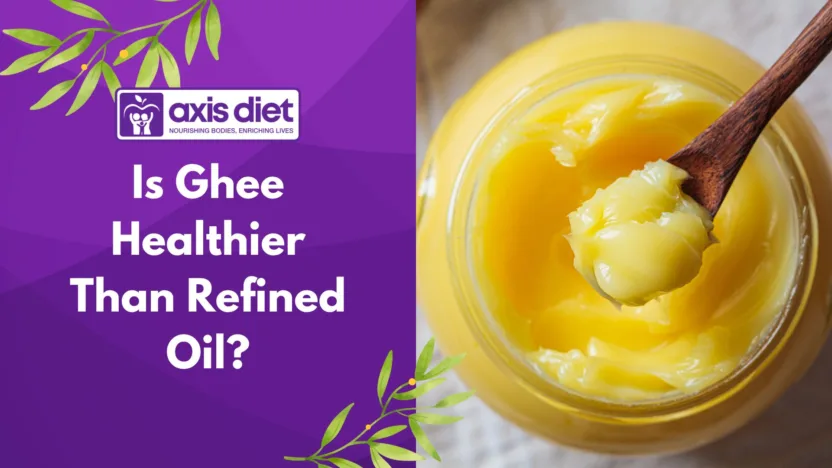
Ghee is a form of clarified butter, traditionally made by simmering butter to separate milk solids and water from the fat. This clarification process results in a pure fat with a rich golden hue and a distinct nutty aroma. Unlike butter, ghee contains virtually no lactose or casein, making it easier to digest for many individuals sensitive to dairy proteins. The process also concentrates the fat content, primarily yielding saturated fats with added nutritional benefits.
Chemically, ghee is rich in saturated fatty acids, with approximately 60-65% of its fat content coming from these stable fats. These saturated fats are structurally stable at high temperatures, making ghee more heat-resistant than many other cooking oils. This thermal stability prevents the formation of harmful free radicals during cooking, preserving its nutritional integrity. Among these fatty acids, ghee uniquely contains butyric acid, a short-chain fatty acid known to support gut health by nourishing intestinal cells and exhibiting anti-inflammatory effects.
Beyond fats, ghee is a concentrated source of fat-soluble vitamins such as Vitamins A, D, E, and K. These vitamins are essential for various bodily functions, including vision, immune support, antioxidant defense, and blood clotting regulation. The concentration of these vitamins stems from the removal of water and milk solids, leaving behind nutrient-dense milk fat with enhanced bioavailability of these vitamins.
Ghee also contains antioxidants, including conjugated linoleic acid (CLA), which has been studied for potential health benefits like improved metabolism and anti-carcinogenic properties. These antioxidants contribute to ghee’s longer shelf life and reduced susceptibility to oxidation compared to unsaturated oils.
Traditionally, ghee has been favored in cooking and Ayurveda for its multifaceted benefits. Its high smoke point, typically around 250°C (482°F), makes it ideal for frying and sautéing without breaking down chemically. This characteristic not only preserves the food’s flavor but also maintains ghee’s own nutritional value during cooking. In Indian households, ghee is also used as a seasoning and finishing touch, believed to aid digestion and promote healing.
Because ghee is essentially pure milk fat, it is calorie-dense and should be consumed mindfully within a balanced diet. Still, its unique composition of saturated fats, beneficial fatty acids like butyric acid, and fat-soluble vitamins offers qualities that differentiate it from common fats, particularly refined oils. Its traditional use backed by chemical stability and nutrient profile underlines why it remains a staple in cuisines where rich flavors and nutritional value are prized. For deeper insights on vitamins and their benefits, explore this resource on harnessing vitamins for body and mind wellness.
Nutritional Profile of Refined Oils
Refined oils are among the most commonly used cooking oils worldwide, with soybean, sunflower, and canola oils being particularly popular. These oils undergo an extensive refining process that significantly alters their natural composition. The refining process involves several steps including degumming, neutralization, bleaching, and deodorization. During degumming, impurities such as phospholipids and proteins are removed. Neutralization eliminates free fatty acids, while bleaching removes pigments. Finally, deodorization uses high heat and steam to eliminate undesirable odors and flavors. Though this process produces a clear, light-colored oil with a long shelf life, it also removes many natural nutrients and antioxidants originally present in the oil.
The refining process impacts the nutrient content by stripping away natural antioxidants like tocopherols (vitamin E) and phytosterols, which play roles in reducing oxidative stress in the body. As a result, the oils lose some of their health-promoting compounds. The process also affects the oil’s fatty acid profile and can lead to the formation of unwanted by-products. While refined oils are mainly appreciated for their high smoke points and neutral flavor, these benefits sometimes come at the cost of reduced nutritional value.
The fatty acid profiles of refined oils vary but generally highlight a higher proportion of unsaturated fats. Soybean and canola oils typically contain a mix of polyunsaturated and monounsaturated fats, including omega-6 and omega-3 fatty acids. Sunflower oil, depending on the variety, can be high in omega-6 polyunsaturated fats. These unsaturated fats are often considered heart-healthy because they can help lower LDL cholesterol levels when they replace saturated fats in the diet.
However, the refining process may also introduce or increase trace amounts of trans fats due to high heat and deodorization. Trans fats are harmful, linked to increased inflammation and cardiovascular risk. Though these levels are generally low in modern refining, even small quantities can have negative effects over time. Additionally, chemical solvents such as hexane are sometimes used in extraction before refining. Residual solvent traces, although minimized by regulations, can be a concern for some consumers looking for natural alternatives.
In summary, refined oils are predominantly known for their unsaturated fat content but are somewhat depleted of natural antioxidants during processing. While they offer cooking convenience and stability, the loss of beneficial compounds and potential presence of harmful trans fats or chemical residues raise questions about their long-term health impact. Exploring alternatives like ghee, which retains natural antioxidants and remains stable at high temperatures, provides a contrasting perspective on cooking fat choices.
For further insights on heart health and dietary fats, see best oils for heart health.
Impact on Heart Health
The impact of ghee and refined oils on heart health hinges largely on their differing fatty acid compositions. Ghee primarily contains saturated fats, traditionally viewed as harmful to cardiovascular health due to their potential to raise LDL cholesterol levels. Refined oils, such as soybean or sunflower oil, are rich in polyunsaturated fats (PUFAs), which are often promoted for reducing heart disease risk by improving blood lipid profiles. However, this binary view is evolving as research reveals the complexity of how these fats influence heart health.
Saturated fats in ghee raise both LDL (low-density lipoprotein) and HDL (high-density lipoprotein) cholesterol. While LDL is tagged as “bad” cholesterol due to its association with plaque formation in arteries, HDL is considered “good” cholesterol because it helps remove excess cholesterol from the bloodstream. Some studies suggest that ghee increases HDL more significantly, potentially balancing its LDL-raising effect. For example, small-scale clinical trials have demonstrated that moderate ghee intake does not drastically raise the LDL/HDL ratio, an important marker for cardiovascular risk, when consumed as part of a balanced diet.
On the other hand, refined oils are abundant in omega-6 polyunsaturated fats, which can lower LDL cholesterol but also pose concerns about promoting systemic inflammation when consumed excessively or in unbalanced ratios with omega-3 fats. Chronic inflammation is a key driver of atherosclerosis and heart disease. Some experimental data imply that high intake of certain refined oils may increase inflammatory markers like C-reactive protein (CRP), thereby subtly increasing cardiovascular risk, especially when oxidative stress from refining residues or trans fats are present.
Clinical evidence comparing these fats points to nuanced outcomes:
- Ghee’s saturated fats may exert a neutral or slightly positive effect on heart health by improving HDL cholesterol and reducing oxidative stress due to natural antioxidants like vitamin A and E retained during its preparation.
- Refined oils’ PUFAs effectively lower LDL cholesterol but may contribute to inflammation if the diet lacks adequate antioxidants and omega-3 fatty acids, which help maintain vascular health.
- Excessive consumption of either can raise risk factors for heart disease; moderation and quality of fats matter most.
A meta-analysis examining saturated fat intake concluded that the association with heart disease is complex and influenced by the overall dietary pattern rather than any single nutrient. Meanwhile, evidence connecting high consumption of certain refined oils to increased oxidative stress warrants cautious use, especially in populations susceptible to heart problems.
Overall, ghee contains bioactive compounds that may counterbalance its saturated fat content with anti-inflammatory and antioxidant effects, which refined oils lack due to processing. This makes ghee a potentially heart-friendly fat when consumed responsibly, complementing the benefits of unsaturated fat sources.
For further details on dietary approaches to lowering cholesterol and improving heart health through balanced fats, see this comprehensive guide to lowering cholesterol.
Effect on Digestion and Gut Health
Ghee has been admired for centuries not only as a cooking fat but also as a powerful aid for digestion and gut health. One key reason for this is its rich content of butyric acid, a short-chain fatty acid that is crucial for maintaining the integrity and function of the gut lining. Butyric acid serves as an essential energy source for the cells of the colon, supporting their growth and repair. This contributes to a strengthened gut barrier, preventing harmful pathogens and toxins from entering the bloodstream and reducing the risk of inflammation-related digestive conditions.
Moreover, butyric acid possesses potent anti-inflammatory properties. Chronic inflammation in the gut is linked to disorders such as irritable bowel syndrome (IBS) and inflammatory bowel disease (IBD). By reducing inflammation, ghee helps soothe the digestive tract, promoting comfortable digestion and reducing symptoms like bloating and cramps. This contrasts with many refined oils, which can sometimes encourage oxidative stress in the digestive system. The refining process often strips oils of their natural antioxidants, making them more prone to oxidation and the formation of harmful free radicals. These compounds, when ingested, may aggravate digestive discomfort or damage the gut lining over time.
Traditional Ayurveda has long recognized ghee’s unique role in supporting digestion. It is frequently used as a vehicle to enhance the absorption of herbs and medicines, owing to its ability to penetrate deep tissues and balance the digestive fire or agni. Ayurveda considers agni critical for transforming food into energy and nutrients. When agni is weak or imbalanced, digestive inefficiency and toxin buildup can occur, leading to various health problems. Ghee harmonizes this process by lubricating the digestive tract and promoting smooth appetite, digestion, and elimination.
Ayurvedic texts also emphasize ghee’s ability to balance vata dosha, often linked to gas, bloating, and erratic digestion. Its nourishing and calming properties help pacify the nervous system, which in turn stabilizes gut motility and function. This holistic support is rarely provided by refined oils, which primarily serve as inactive cooking fats without therapeutic benefits.
In summary, ghee’s benefits for digestion stem from:
- Its rich supply of butyric acid supporting colon cells and gut lining health.
- Anti-inflammatory effects that reduce gut irritation and promote comfort.
- Its traditional use in Ayurveda to strengthen digestive fire and balance doshas.
- Protection against oxidative stress compared to processed refined oils.
For those interested in nurturing gut health further, exploring the connections between diet and digestive wellness can be enlightening. Resources like this guide on gut health and Indian foods offer valuable insights into how traditional ingredients complement digestive function.
Stability and Cooking Properties
Ghee is known for its impressive heat stability, making it a preferred choice for high-temperature cooking. It has a high smoke point, typically around 250°C (482°F), which means it can be heated extensively without breaking down or producing harmful free radicals. This is because ghee is clarified butter, where milk solids and water are removed, leaving behind pure fats resistant to oxidation and thermal degradation. In contrast, many refined oils have lower smoke points, ranging roughly between 160°C to 230°C (320°F to 446°F), depending on the type and degree of refinement. When refined oils are overheated beyond their smoke points, they tend to decompose and generate harmful compounds such as aldehydes and polycyclic aromatic hydrocarbons, which are linked to oxidative stress and inflammation in the body.
The formation of these compounds occurs because overheating causes the fatty acid chains in oils to break down into free radicals and reactive oxygen species. These byproducts can damage cellular structures and increase the risk of chronic diseases over time. Ghee’s unique composition, rich in saturated fats and antioxidants like vitamin E, assists in resisting this oxidative breakdown, making it more stable during frying, sautéing, and roasting.
To optimize the nutritional quality and taste when cooking with ghee or refined oil, consider the following practical tips:
- Use ghee for high-heat methods: Deep frying, stir-frying, and roasting are ideal applications due to ghee’s stability.
- Choose refined oils with appropriate smoke points: Select oils matched to the cooking temperature – lighter oils for low to medium heat to avoid overheating.
- Avoid reusing cooking oil multiple times: Repeated heating accelerates degradation and harmful compound formation in both ghee and refined oils.
- Cook at moderate temperatures: Even with ghee, extremely high heat over long durations can affect flavor and nutrient content.
- Store fats properly: Keep ghee and oils in airtight containers away from direct sunlight to prevent oxidation.
By understanding these stability differences and cooking techniques, you can maintain the beneficial qualities of ghee and refined oils while minimizing potential health risks. This approach aligns with recommendations on how to preserve nutritional integrity during cooking, ensuring your meals retain maximum flavor and health benefits.
Potential Risks and Moderation
Consuming ghee or refined oils in excessive amounts can pose health risks despite their culinary benefits. Both are calorie-dense fats, and overconsumption may contribute to unwanted weight gain, which is a major risk factor for chronic conditions like heart disease, diabetes, and certain cancers. The body stores excess fat calories, making portion control essential regardless of the fat source.
Regarding ghee, it contains a high concentration of saturated fats, which have been linked to increased levels of LDL cholesterol, often referred to as “bad” cholesterol. Elevated LDL levels can promote arterial plaque buildup, increasing cardiovascular risk. While ghee also has small amounts of beneficial fatty acids and antioxidants, these advantages can be overshadowed if consumed in large quantities. Those with pre-existing heart conditions or high cholesterol should monitor their intake closely.
On the other hand, many refined oils undergo extensive processing, including bleaching, deodorizing, and high-heat refining. This process can generate trace amounts of trans fats and other harmful compounds that may promote inflammation and oxidative stress in the body. Furthermore, some refined oils may contain residual solvents or contaminants, depending on manufacturing and quality control standards. Allergic reactions to certain refined oils are also possible, especially with oils derived from nuts or seeds, though these are less frequent with highly refined products.
Both ghee and refined oils contribute to caloric intake, so eating them without moderation can disrupt energy balance. Weight management is easier when fats are consumed thoughtfully with attention to overall diet and lifestyle. Excessive fat consumption often replaces nutrient-dense foods, potentially leading to nutrient imbalances.
It’s equally important to choose high-quality products. For ghee, this means opting for varieties made from grass-fed or organically sourced milk, free from additives or preservatives. For refined oils, selecting cold-pressed or minimally processed versions reduces exposure to harmful processing contaminants. Prioritizing quality helps maximize nutritional benefits while minimizing health risks.
Developing awareness around portion sizes and food quality can support a balanced diet. Incorporating a diverse range of healthy fats, combined with regular physical activity and nutrient-rich foods, promotes overall well-being. For more on maintaining a heart-healthy lifestyle while managing weight, see this guide on effective weight loss strategies for women.
Choosing What Is Best for You
Choosing between ghee and refined oil depends greatly on your unique health goals, dietary habits, and cooking styles. Both options offer distinct benefits and challenges, so understanding your individual needs is key to making an informed decision. If you have specific health conditions such as heart disease, high cholesterol, or digestive sensitivities, this should guide your choice. For example, ghee contains saturated fats but also offers fat-soluble vitamins and may support digestion for some, whereas refined oils, often rich in unsaturated fats, vary widely in their nutrient profile and processing methods.
Consider your cooking practices as well. Ghee has a high smoke point and adds a rich aroma, making it suitable for sautéing and roasting without breaking down into harmful compounds. Refined oils may differ in smoke points and could be preferable for deep frying or high-temperature stir-frying, but the quality of the oil plays a crucial role here.
Dietary preferences and ethical considerations also come into play. If you prefer traditional or whole-food culinary approaches, ghee might align better with your choices. Conversely, plant-based or vegan diets often exclude ghee, making refined vegetable oils the alternative.
When selecting either ghee or refined oil, always prioritize product quality and sourcing. Look for minimal processing, organic certification if possible, and transparent ingredient lists free from harmful additives or preservatives. Poor-quality oils may contain trans fats or oxidation products, while low-grade ghee might be blended with cheaper fats, which reduces health benefits and safety.
Because individual metabolisms and health statuses vary widely, consulting a dietitian or nutrition expert can offer personalized recommendations tailored to your lifestyle and health goals. A professional can analyze factors such as your lipid profile, digestive health, weight management goals, and overall diet to advise which fat source suits you best and in what quantities.
For those interested in customized nutritional support, consider scheduling a specialized diet consultation to navigate this decision effectively and safely. Expert guidance ensures your food choices amplify wellness, flavor, and satisfaction.
Take the next step towards a balanced diet by booking your personal consultation here: tailored diet consultation.
Final words
Both ghee and refined oil have their own benefits and drawbacks. Ghee offers rich nutrients and may support heart health when used in moderation, while refined oils are processed and can contain unhealthy fats. Choosing ghee over refined oils can be healthier, but balance and quality remain essential. Consult an expert for personalized advice.
The content provided in this blog post is intended for general knowledge and informational purposes only. It should not be considered a substitute for professional medical advice, diagnosis, or treatment. For personalized health recommendations tailored to your individual needs, we highly encourage you to connect with our certified clinical dietitians. Visit us at Axis Diet Consulting to schedule a consultation and take the first step toward your health journey!