

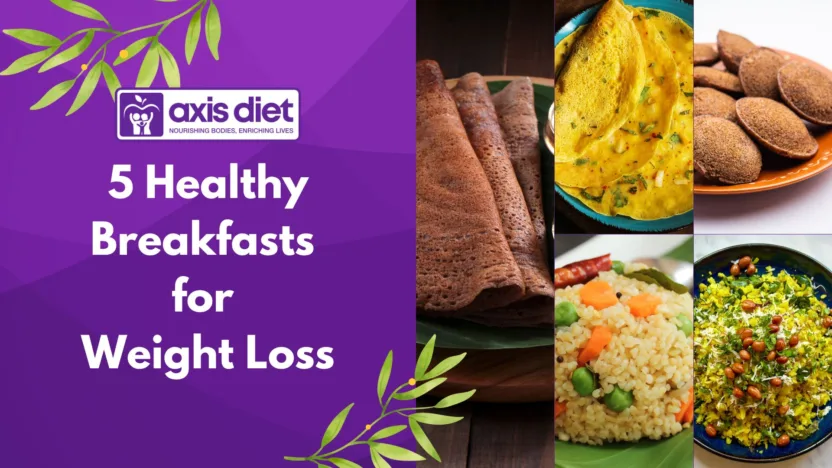
Healthy breakfasts are vital for those aiming at weight loss. Indian cuisine offers a variety of options rich in nutrients and light on calories. Exploring these options can help you enjoy tasty meals while supporting your fitness goals.
- Understanding the Importance of Breakfast in Weight Loss
- Key Nutrients to Focus on in an Indian Breakfast
- Five Healthy Indian Breakfasts Ideal for Weight Loss
- How to Prepare These Indian Breakfasts in a Healthy Way
- Incorporating Spices and Herbs for Enhanced Benefits
- Balancing Indian Breakfasts with Overall Daily Nutrition
- Personalizing Your Indian Breakfast for Optimal Weight Loss
Understanding the Importance of Breakfast in Weight Loss
Breakfast plays a pivotal role in weight management because it directly influences metabolism and appetite control throughout the day. Eating a well-balanced meal in the morning helps jumpstart the metabolism, which is the body’s process of converting food into energy. When you skip breakfast or consume an inadequate meal, the body tends to slow down its metabolism to conserve energy, making fat burning less efficient. This metabolic slowdown can interfere with effective weight loss over time.
A nutritious Indian breakfast can help regulate appetite by stabilizing blood sugar levels early in the day. When blood sugar is balanced, the intense cravings for high-calorie snacks or large meals later are less likely to occur. This prevents overeating and promotes healthier portion control during mid-day meals. Additionally, consuming foods that are rich in fiber and protein helps keep you feeling fuller for longer, diminishing the temptation to snack on empty-calorie foods. For instance, traditional Indian breakfasts like moong dal chilla or vegetable upma offer this benefit by combining fiber-rich grains and lentils.
Scientific insights reveal that eating breakfast improves energy levels and cognitive function, which supports an active lifestyle essential for weight loss. The body requires energy to perform daily tasks, and a healthy breakfast replenishes glucose, the brain, and muscles’ preferred energy source. Without this initial fuel, energy dips can lead to lethargy and lower physical activity, indirectly hindering weight loss efforts.
Furthermore, breakfast influences the hormonal environment in the body, particularly hormones like insulin and ghrelin, which regulate hunger and fat storage. A balanced Indian breakfast can enhance insulin sensitivity, allowing the body to use glucose more efficiently. Improved insulin function minimizes fat accumulation around the abdomen, which is a common concern for many in weight management journeys.
Timing of breakfast also matters; consuming it within 1-2 hours of waking aligns with the body’s circadian rhythms, aiding optimal digestion and metabolism. When breakfast is timely and nutritious, it sets a metabolic tone for the rest of the day, signaling the body to maintain energy expenditure and fat oxidation rather than storing calories as fat.
In summary, a wholesome Indian breakfast not only fuels the body but also strategically controls hunger, supports metabolism, and facilitates fat burning. This is why including a thoughtful, balanced morning meal can be a cornerstone for effective and sustainable weight management. For some helpful insights on how traditional Indian foods impact energy and metabolism, refer to this detailed article on low glycemic index Indian foods.
Key Nutrients to Focus on in an Indian Breakfast
Protein plays a vital role in an Indian breakfast aimed at weight loss. It aids in muscle repair, supports metabolism, and promotes satiety, reducing overall calorie intake. Common Indian sources rich in protein include dals (lentils such as moong, masoor, and toor), chickpeas, and low-fat paneer. These ingredients provide essential amino acids that the body needs and help prevent mid-morning hunger pangs by stabilizing blood sugar levels. Incorporating protein into breakfast enhances thermogenesis, the process by which your body generates heat, which helps burn more calories throughout the day, supporting weight management efforts.
Dietary fiber is another critical nutrient to emphasize. Fiber slows digestion, contributing to prolonged fullness and reduced cravings. Indian staples such as millets (like jowar, bajra, and ragi), whole grains, and vegetables like spinach, carrots, and green peas add substantial fiber to your breakfast plate. Fiber also improves gut health by promoting regular bowel movements and feeding beneficial gut bacteria, which can have positive effects on metabolism. Foods high in fiber tend to have a low glycemic index, preventing sharp blood sugar spikes that cause hunger soon after eating.
Healthy fats are often overlooked but essential for weight loss and metabolic health. They provide long-lasting energy and support hormone regulation involved in appetite control. Indian breakfasts can incorporate healthy fats through ingredients like nuts (almonds, walnuts), seeds (flaxseeds, chia seeds), and oils such as mustard and coconut oil used in moderation. These fats also help in absorbing fat-soluble vitamins and improve the taste and satiety of meals, reducing the temptation to snack unnecessarily later.
Additionally, spices commonly used in Indian cooking add more than flavor; they can assist weight loss by enhancing metabolism and aiding digestion. Turmeric contains curcumin, which has anti-inflammatory properties and supports metabolic health. Ginger promotes digestion and thermogenesis, while cumin and coriander help regulate blood sugar levels and improve nutrient absorption.
The synergy of protein, fiber, and healthy fats in an Indian breakfast ensures sustained energy release, balancing hunger hormones like ghrelin and leptin. This balance is crucial to prevent overeating throughout the day and aids fat burning by maintaining a steady metabolic rate. Choosing traditional ingredients that naturally embody these nutrients creates a wholesome, satisfying breakfast foundation for weight loss.
For more insights on the benefits and nutritional profiles of millets, a valuable ingredient in Indian breakfasts, you can refer to this detailed article on millets. It explains their role in weight management and digestive health, reinforcing why they are a smart choice for a weight loss-friendly meal.
Five Healthy Indian Breakfasts Ideal for Weight Loss
Moong Dal Chilla
Moong dal chilla is a popular Indian breakfast option made with ground yellow moong dal (split mung beans). It is rich in protein and fiber, which help promote satiety and stabilize blood sugar levels. With approximately 150-180 calories per serving, moong dal chilla supports weight loss by providing sustained energy without excess calories. Its low glycemic index also curbs hunger pangs. Adding finely chopped vegetables further boosts micronutrient content and adds volume without many extra calories.
Millets Upma
Upma made from millets, such as foxtail or little millet, is a nutritious variation of the traditional semolina upma. Millets have a higher fiber and mineral content than refined grains, aiding digestion and metabolism. A serving of millet upma contains around 180-220 calories, mostly from complex carbohydrates that release energy slowly. This helps reduce overeating later in the day. The dish can be enriched with vegetables and minimal healthy oil, making it a wholesome low-calorie breakfast with anti-inflammatory benefits found in millets.
Vegetable Poha
Vegetable poha uses flattened rice cooked with mustard seeds, curry leaves, and assorted vegetables like peas, carrots, and beans. This dish offers a good balance of carbohydrates, fiber, and vitamins. It typically provides about 200 calories per plate but feels filling due to fiber and water content in vegetables. Poha’s light texture makes it less heavy on digestion, thus supporting metabolism and weight control. Using minimal oil and adding sprouts can enhance its nutritional profile.
Oats Idli
Oats idli is a modern twist on the classic rice idli, replacing rice with oats and semolina or rava. Oats deliver soluble fiber, which promotes gut health and lowers cholesterol levels. Each serving of oats idli contains roughly 150-170 calories and is protein-rich when combined with urad dal (black gram). Steaming as a cooking method preserves nutrients while keeping fat content low. This breakfast boosts metabolism and controls hunger, making oats idli an effective weight loss meal.
Ragi Dosa
Ragi dosa is made using ragi flour, a millet high in calcium, iron, and essential amino acids. It is rich in dietary fiber, which slows digestion and curbs appetite. A medium-sized ragi dosa contains about 140-160 calories. Its low glycemic index helps maintain blood sugar balance, which is crucial for weight management. Ragi’s nutrient density supports muscle function and bone health while promoting fat loss. Adding vegetables to the dosa batter or as fillings increases vitamins and antioxidants.
These breakfasts combine complex carbohydrates, fiber, and plant-based protein, creating a balanced and satisfying meal that supports weight loss by controlling hunger and improving metabolism. Their reliance on traditional ingredients like lentils, millets, and vegetables ensures nutrient density with moderate calories. Incorporating such dishes as part of a consistent eating pattern can effectively contribute to fat loss and overall health.
For further insight into idli and its health benefits in relation to diabetes and weight control, see Is Idli Good for People with Diabetes?.
How to Prepare These Indian Breakfasts in a Healthy Way
To maximize the health benefits of Indian breakfasts for weight loss, focus on cooking methods and ingredient choices that enhance nutrition without adding unnecessary calories. One key approach is to minimize the use of oil. Instead of deep-frying, opt for methods like steaming, roasting, or light sautéing with minimal oil. For instance, preparing moong dal chilla on a non-stick pan with just a few drops of oil can retain the flavor and texture while reducing fat content significantly. When oil is necessary, choose heart-healthy options in moderation, but avoid heavy use as it adds calories without essential nutrients.
Using whole grains and millets rather than refined flours boosts fiber intake, which promotes satiety and regulates blood sugar levels. Substitutes like whole wheat flour, ragi flour, or millet varieties such as jowar and bajra can replace white rice or refined wheat flour in dosas, idlis, and upma, offering higher protein and complex carbohydrates. This slow-digesting energy source supports sustained fullness and fat metabolism.
Incorporating more vegetables into breakfast dishes significantly increases their volume, fiber, and micronutrient content without adding many calories. Adding grated carrots, chopped spinach, peas, or tomatoes to preparation like poha, upma, or oats idli enhances both taste and nutritional value. Vegetables also provide antioxidants and essential vitamins that aid metabolic health. When using vegetables, avoid overcooking to preserve their nutrients and texture.
Be mindful of high-calorie accompaniments often served with Indian breakfasts, such as sweet chutneys, thick coconut chutneys with added sugar, or fried snacks. Prefer fresh green chutneys made from coriander and mint without excessive oil or sugar. You may also skip or limit the use of ghee or butter on dosas and idlis to keep calorie intake balanced. Instead, enhance flavor with spices and fresh herbs to reduce the need for fatty toppings.
Time-saving and meal prep techniques help sustain healthy eating habits. You can soak and grind batter like ragi dosa or moong dal chilla batter in advance and refrigerate it for up to two days. For dishes like vegetable poha or upma, prepare chopped vegetables the night before or use frozen pre-chopped options to reduce morning prep time. Batch cooking and portioning out servings ensure you have ready-to-cook ingredients available, preventing reliance on processed or convenience foods that often contain hidden calories. Using non-stick cookware also aids in cooking with less oil and ensures easy cleanup.
By applying these cooking strategies and ingredient swaps, your Indian breakfasts will not only remain flavorful but also support your weight loss journey effectively. For more insight on cooking oils and health, see this detailed guide on best oils for heart health.
Incorporating Spices and Herbs for Enhanced Benefits
Indian spices and herbs are renowned not just for their rich flavors but also for their potent health benefits. Incorporating spices such as turmeric, cumin, coriander, and ginger into your breakfast can significantly enhance digestion and stimulate metabolism, both vital components for effective weight loss. Unlike mere seasoning, these spices actively support bodily functions that aid in managing weight and overall wellness.
Turmeric, for instance, contains curcumin, a compound with powerful anti-inflammatory and antioxidant properties. Curcumin helps reduce inflammation in the digestive tract, promoting smoother digestion and improving nutrient absorption. Its metabolism-boosting properties can increase fat oxidation, making it easier to burn calories. To include turmeric in breakfast, add a pinch to scrambled eggs, vegetable upma, or even smoothies for a subtle earthy flavor combined with health benefits.
Cumin seeds have been traditionally used to aid digestion by stimulating production of digestive enzymes and increasing gut motility. These effects help break down food efficiently, reducing bloating and discomfort. Cumin also exhibits properties that may regulate blood sugar levels, which is crucial for weight management. Toast cumin lightly and sprinkle over vegetable poha or dal pancakes. You can also infuse cumin in ginger tea or add it to spiced oatmeal for a warming start.
Coriander not only enhances flavor but also acts as a natural diuretic, helping flush excess water from the body and reduce bloating. It supports healthy digestion through its fiber content and antimicrobial effects, which maintain gut balance. Fresh coriander leaves added to steamed vegetable parathas or mixed into chutneys provide a refreshing taste along with these benefits. Ground coriander powder can also enrich dals and lentil-based breakfast options.
Ginger is perhaps one of the most effective spices for boosting metabolism and facilitating digestion. It increases thermogenesis, the body’s heat production, helping burn more calories at rest. Ginger also alleviates nausea and improves gut motility, preventing constipation. Finely chopped or grated ginger can be sautéed with vegetables for upma or added to spiced buttermilk. Ginger-infused herbal teas paired with light breakfasts activate digestion and energy expenditure.
Integrating these spices is easy and requires minimal changes to traditional recipes. Their benefits extend beyond flavor enhancement—they:
- Promote better digestive health by stimulating enzyme secretion
- Improve metabolic rate for enhanced calorie burning
- Help regulate blood sugar and reduce insulin spikes
- Act as natural anti-inflammatory agents to support overall well-being
- Aid in detoxification by supporting liver function
For a practical example, prepare a vegetable upma with a teaspoon each of cumin seeds and grated ginger, finish with fresh coriander leaves, and add a pinch of turmeric while cooking. This combination not only enriches taste but also maximizes metabolism and digestion to aid weight management.
Learning how to cook with Indian spices effectively can transform your breakfast from a routine meal into a powerful tool for health and weight loss. Prioritizing these spices enhances your broader dietary approach, complementing other healthy habits like using whole grains and minimizing high-calorie additions.
Balancing Indian Breakfasts with Overall Daily Nutrition
Balancing an Indian breakfast within the framework of your entire day’s nutrition is essential for sustainable weight loss. A healthy breakfast acts as the cornerstone, setting the tone for energy, metabolism, and hunger management throughout the day. However, its impact depends heavily on how it integrates with your overall calorie intake, macronutrient distribution, and meal timing.
First, balancing calories means ensuring your breakfast provides enough fuel without exceeding daily energy needs. For weight loss, you must create a moderate calorie deficit by consuming fewer calories than you burn. Breakfast should contribute to roughly 20-30% of your daily calorie target, leaving room for nutritious lunch, snacks, and dinner. Overeating at any one meal, including breakfast, can stall weight loss progress.
Macronutrient balance—proteins, carbohydrates, and fats—is just as important. For an Indian breakfast geared towards weight management, aim to include adequate protein from legumes, dairy, or eggs to support muscle maintenance and satiety. Complex carbohydrates like whole grains, millets, or legumes provide steady energy release while controlling post-meal blood sugar spikes. Healthy fats from sources like nuts, seeds, or a small amount of cooking oil help hormone regulation and nourish cells but should be consumed mindfully to prevent excess calories.
Meal timing and distribution throughout the day reinforce metabolic stability. Having breakfast within an hour or two of waking helps prevent excessive hunger later, reducing impulsive snacking. Follow up with smaller, balanced meals or snacks every 3-4 hours to maintain consistent energy levels and curb overeating. An example of a complementary midday meal could be a vegetable-based curry with a portion of brown rice or millet, which supplies fiber and nutrients without a heavy calorie load. Light but nutrient-dense snacks like a handful of roasted seeds, low-fat yogurt, or fresh fruit support this rhythm.
Additionally, hydration plays an integral role. Starting your day with water or an herbal infusion supports metabolic processes and digestion. Carrying this habit into the rest of the day helps distinguish between hunger and thirst cues.
Together, these strategies work in harmony with the health benefits provided by spices and herbs in your breakfast, as previously discussed. To deepen your understanding of balanced macronutrients and calorie control in Indian diets, you may find this resource useful: Understanding Macronutrients. Embracing such holistic planning tailors your weight loss journey, ensuring each meal complements the next, producing steady and healthy results.
Personalizing Your Indian Breakfast for Optimal Weight Loss
Personalizing your Indian breakfast is key for optimal weight loss, as each individual’s preferences, dietary needs, and goals differ significantly. While many traditional Indian breakfasts provide a good nutritional base, customizing them ensures they align effectively with your unique metabolism, taste, and lifestyle. For example, if you prefer a high-protein start, incorporating legumes like moong dal or sprouts can enhance satiety and muscle maintenance. On the other hand, those focusing on blood sugar management might benefit from lower glycemic index options such as millets or oats-based preparations, which release energy slowly and prevent insulin spikes.
Dietary restrictions and health conditions also influence your breakfast choices. Vegetarians can obtain adequate protein through paneer, lentils, or dairy, while those avoiding gluten can shift to naturally gluten-free grains such as jowar or ragi. For individuals with diabetes or prediabetes, selecting breakfast items with a low glycemic index is crucial; for insight into such foods, exploring detailed recommendations like low glycemic index Indian foods can be incredibly helpful. Similarly, people with food intolerances or allergies should tailor their meal choices to avoid triggers while still meeting nutritional requirements.
Beyond ingredient selection, portion size adjustment is critical based on your weight loss targets. Someone aiming to lose weight may focus on smaller portions with higher nutrient density, incorporating fiber-rich vegetables and minimal refined carbohydrates. Conversely, if maintaining weight or supporting an active lifestyle is the goal, a balanced combination of carbs, proteins, and fats in appropriate portions can fuel the day effectively.
Meal timing and frequency are other factors to personalize. Some individuals find intermittent fasting beneficial, delaying breakfast or having lighter meals early on, while others need a substantial breakfast to curb mid-morning cravings and boost metabolism. Experimenting with meal timing in sync with your energy demands, exercise routine, and hunger patterns can optimize fat burning and overall health.
Given the complexity of these variables, consulting with a qualified dietitian is highly recommended. A professional can assess your medical history, dietary preferences, and weight loss goals to craft a sustainable breakfast plan that fits seamlessly into your overall diet. Personalized advice can also help integrate breakfast with complementary meals and snacks, maximizing progress and enjoyment.
For expert guidance tailored specifically to your needs, consider scheduling a consultation at Axis Diet for customized diet advice. Personalized plans designed by professionals enable you to unlock the full potential of your Indian breakfast for effective and healthy weight loss.
Final words
Choosing the right Indian breakfast can significantly aid weight loss without compromising on taste or nutrition. Incorporating these healthy options regularly supports your fitness journey. For personalized guidance tailored to your needs, consider consulting a diet expert today.
The content provided in this blog post is intended for general knowledge and informational purposes only. It should not be considered a substitute for professional medical advice, diagnosis, or treatment. For personalized health recommendations tailored to your individual needs, we highly encourage you to connect with our certified clinical dietitians. Visit us at Axis Diet Consulting to schedule a consultation and take the first step toward your health journey!



[…] a healthy weight. The key is choosing meals that are portion-controlled and nutritionally balanced. Understanding breakfast’s role in weight management becomes crucial for developing sustainable eating […]