

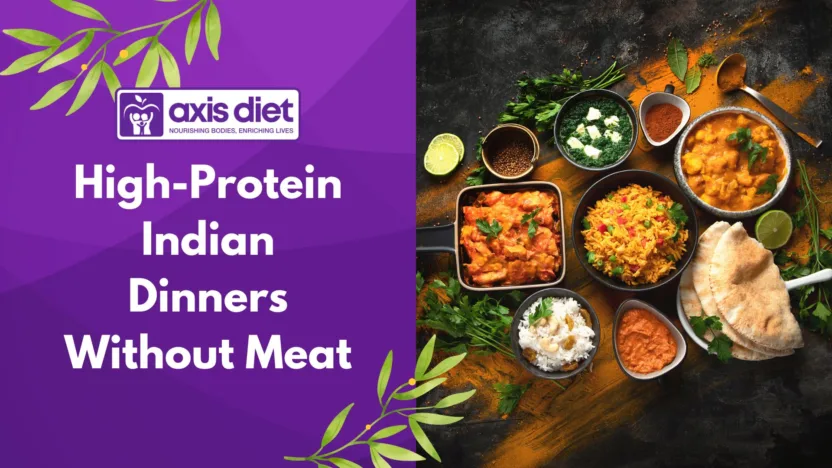
Indian cuisine offers a variety of flavorful vegetarian dishes that are rich in protein. Discover how to create satisfying high-protein Indian dinners without relying on meat, using ingredients like lentils, beans, and paneer.
Understanding Protein Sources in Indian Vegetarian Diets
Protein plays a crucial role in maintaining overall health, particularly for individuals following vegetarian diets. Lentils, known as dal in Indian cuisine, are exceptional protein sources that provide essential amino acids. These legumes offer approximately 9-20 grams of protein per cup, making them fundamental to balanced nutrition.
Legumes like chickpeas, kidney beans, and black-eyed peas are nutritional powerhouses. They not only provide substantial protein but also deliver complex carbohydrates and dietary fiber. Understanding protein’s role in nutrition helps individuals make informed dietary choices.
Dairy products represent another significant protein source for vegetarians. Milk, yogurt, paneer, and cottage cheese are rich in complete proteins containing all essential amino acids. These foods contribute 6-8 grams of protein per serving and offer additional calcium and vitamin benefits.
Nuts and seeds provide concentrated protein sources with healthy fats. Almonds, pumpkin seeds, and sunflower seeds offer approximately 5-7 grams of protein per quarter cup. They also contain essential minerals like zinc and magnesium, supporting overall metabolic functions.
Indian vegetarian diets naturally incorporate diverse protein sources through traditional recipes. Combination meals like dal with rice, rajma chawal, and chana masala ensure comprehensive protein intake. These dishes strategically combine different protein sources to create nutritionally complete meals.
Plant-based proteins offer additional advantages beyond mere protein content. They typically contain lower saturated fats, higher fiber, and numerous micronutrients compared to animal proteins. This makes them excellent choices for long-term health and wellness.
Individuals can optimize protein absorption by understanding complementary protein combinations. Pairing legumes with grains creates complete protein profiles, ensuring the body receives all essential amino acids required for muscle maintenance and cellular functions.
Benefits of High-Protein Indian Dinners
High-protein vegetarian dinners offer remarkable health benefits that extend far beyond basic nutrition. Muscle maintenance becomes critical as individuals age, and protein-rich meals play a pivotal role in preserving muscle mass and strength. By consuming adequate protein during dinner, the body can effectively repair and regenerate muscle tissues, particularly important for those with active lifestyles or recovering from physical activities.
Satiety is another significant advantage of protein-rich meals. Protein takes longer to digest compared to carbohydrates, which helps control hunger and reduces unnecessary snacking. This mechanism supports weight management by naturally limiting calorie intake and preventing excessive eating during evening hours.
Blood sugar regulation represents another crucial benefit of high-protein vegetarian dinners. Protein helps stabilize glucose levels, preventing sudden spikes and crashes that can lead to metabolic disruptions. This is especially beneficial for individuals managing diabetes or seeking to maintain consistent energy levels throughout the evening.
For health-conscious individuals, protein-rich Indian meals offer a holistic approach to nutrition. They provide essential amino acids, support metabolic functions, and contribute to overall well-being. The combination of lentils, legumes, dairy, and plant-based proteins ensures a comprehensive nutritional profile that addresses multiple health requirements.
Understanding protein’s role in a balanced diet becomes crucial for making informed dietary choices. By prioritizing protein intake during dinners, individuals can optimize their nutritional strategies and support long-term health objectives.
The strategic consumption of protein during evening meals also supports metabolic processes that occur during sleep, enhancing muscle recovery and overall physiological regeneration. This makes high-protein vegetarian dinners an intelligent choice for those seeking comprehensive nutritional strategies.
Lentil and Legume-Based Recipes for Hearty Dinners
Lentils and legumes are nutritional powerhouses that offer exceptional protein content for vegetarian Indian dinners. Dal tadka, chana masala, and rajma represent quintessential protein-rich dishes that transform simple ingredients into hearty meals.
Mastering protein availability requires specific cooking techniques. Soaking lentils overnight helps reduce anti-nutrients and enhances digestibility. Using pressure cooking breaks down complex proteins, making them more accessible for absorption. Adding protein-rich ingredients like cumin, ginger, and garlic further amplifies nutritional benefits.
Key protein-packed legume recipes include:
- Dal Tadka: Yellow lentils tempered with spices, providing approximately 9 grams of protein per serving
- Chana Masala: Chickpea curry delivering around 14 grams of protein
- Rajma: Red kidney bean curry offering roughly 15 grams of protein
Combining different legumes creates complete protein profiles. Mixing chickpeas with rice or combining lentils with whole wheat roti ensures all essential amino acids are consumed. Sprouting legumes before cooking further increases protein bioavailability and adds nutritional complexity.
Cooking methods like slow simmering with aromatic spices not only enhance flavor but also improve protein absorption. Incorporating healthy fats like ghee or coconut oil during tempering helps nutrient assimilation and makes meals more satisfying.
Incorporating Paneer and Dairy for Protein Punch
Paneer, a versatile and protein-rich dairy product, stands as a cornerstone of vegetarian protein sources in Indian cuisine. With approximately 18-20 grams of protein per 100 grams, this fresh cheese offers an excellent nutritional alternative to meat-based proteins. Traditional recipes transform paneer into delectable high-protein dishes that burst with flavor and nutritional value.
Paneer tikka emerges as a stellar protein-packed preparation. Cubes of paneer are marinated in a rich blend of yogurt and spices like turmeric, ginger, and garam masala, then grilled or baked until golden. This method not only enhances protein content but also introduces complex flavors that make the dish incredibly satisfying.
Another protein-rich favorite is palak paneer, which combines the nutritional prowess of spinach with paneer’s protein density. The dish involves simmering paneer cubes in a creamy spinach gravy, creating a nutrient-dense meal that supports muscle maintenance and overall health.
Cooking techniques play a crucial role in maximizing protein absorption. Gentle cooking methods preserve paneer’s protein structure while maintaining its soft texture. Techniques like light sautéing or baking prevent protein denaturation and retain maximum nutritional benefits.
Beyond paneer, other dairy products contribute significant protein. Yogurt and buttermilk offer additional protein sources, with approximately 10-12 grams of protein per cup. These can be incorporated into marinades, gravies, or consumed directly as protein-rich accompaniments.
For those seeking variety, cheese and cottage cheese variations provide alternative protein-rich options. Each preparation method introduces unique flavors and textures while maintaining high protein content.
Using Nuts, Seeds, and Grains to Enhance Protein Content
Integrating nuts, seeds, and whole grains transforms vegetarian Indian dishes into protein-rich meals. These ingredients provide essential amino acids, minerals, and sustained energy, making them crucial for balanced nutrition.
Almonds and cashews can be ground into fine powders and incorporated into biryanis, adding protein and creating rich, creamy textures. Pumpkin seeds and sunflower seeds offer excellent protein profiles when sprinkled into upma or mixed into salads.
Whole grains play a significant role in protein enhancement. Millets like bajra and jowar contain higher protein percentages compared to traditional rice. These grains can be used in:
- Mixed grain biryanis
- Protein-enriched upmas
- Nutritious grain salads
- Protein-packed grain bowls
Quinoa, though not traditionally Indian, can be seamlessly integrated into traditional recipes. Its complete protein profile makes it an excellent replacement for rice in many dishes. Exploring millet varieties can provide additional protein-rich alternatives.
Techniques like roasting nuts before adding them to dishes can enhance their flavor and protein bioavailability. Grinding nuts into fine powders helps distribute protein more evenly throughout the meal.
Strategic combination of ingredients ensures comprehensive protein intake. For instance, combining lentils with pumpkin seeds creates a more complete amino acid profile, supporting muscle maintenance and overall nutritional needs.
Balancing Flavors While Maximizing Protein Intake
Crafting high-protein Indian dinners requires a delicate balance between nutritional value and exceptional taste. Spices play a crucial role in transforming protein-rich ingredients into delectable meals that tantalize the palate while providing essential nutrients.
Understanding flavor layering becomes paramount in vegetarian protein preparation. Traditional techniques like tempering (tadka) can dramatically enhance protein dishes. By heating oil and adding aromatic spices like cumin, mustard seeds, and curry leaves, chefs can elevate the sensory experience of protein-packed ingredients.
Strategic spice combinations can transform simple proteins into complex flavor profiles:
• Turmeric adds warmth and anti-inflammatory properties
• Ginger provides zingy undertones
• Coriander offers a citrusy, fresh dimension
• Cardamom introduces subtle sweetness
Cooking methods also significantly impact protein absorption and taste. Slow-cooking techniques like braising lentils or simmering dal allow spices to penetrate deeply, creating rich, multilayered dishes. Roasting protein sources like chickpeas before seasoning can enhance their nutty undertones and create crispy textures.
Protein-rich ingredients like tofu, paneer, and legumes absorb spices exceptionally well. Marinating these proteins in yogurt-based mixtures with complex spice blends ensures moisture retention and flavor infusion.
Balancing protein sources with complementary ingredients is essential. Combining legumes with whole grains creates complete protein profiles while maintaining culinary diversity. Quinoa, amaranth, and millets offer excellent protein-complementing options that integrate seamlessly into traditional Indian cooking styles.
Personalizing Your High-Protein Indian Meal Plan
Crafting a personalized high-protein Indian vegetarian meal plan requires strategic thinking and careful nutritional planning. Understanding individual protein requirements is crucial for achieving optimal health and dietary balance. Different factors like age, activity level, fitness goals, and metabolic rate influence protein needs.
Monitoring portion sizes becomes essential when designing protein-rich vegetarian meals. Consider these key strategies:
- Calculate individual protein requirements based on body weight
- Track daily protein intake using nutrition tracking tools
- Ensure diverse protein sources in each meal
- Experiment with protein combinations for complete amino acid profiles
Pairing complementary protein sources helps create complete protein meals. For instance, combining legumes with whole grains or seeds can enhance protein quality. Quinoa, lentils, chickpeas, and nuts provide excellent protein foundations for vegetarian diets.
Consulting nutrition professionals can offer personalized guidance tailored to specific health goals. Protein plays a critical role in maintaining overall health, making professional advice invaluable.
Dietary preferences like vegan, gluten-free, or low-carb requirements can be accommodated while maintaining protein intake. Flexibility and creativity in meal planning are key to sustainable nutrition.
Nutritional awareness helps individuals make informed choices about protein consumption. Understanding amino acid profiles, bioavailability, and protein absorption rates empowers better dietary decisions.
For personalized nutritional guidance and a comprehensive protein strategy, schedule a consultation with our diet experts who can develop a customized high-protein vegetarian meal plan matching your unique requirements.
Final words
Incorporating high-protein vegetarian Indian dinners into your meal plan is both delicious and beneficial for your health. By exploring diverse recipes and ingredients, you can enjoy nutritious meals every night. For personalized guidance on your protein needs, consider getting expert diet consultation.
The content provided in this blog post is intended for general knowledge and informational purposes only. It should not be considered a substitute for professional medical advice, diagnosis, or treatment. For personalized health recommendations tailored to your individual needs, we highly encourage you to connect with our certified clinical dietitians. Visit us at Axis Diet Consulting to schedule a consultation and take the first step toward your health journey!


[…] into optimal nutrition strategies that include protein-rich options like moringa, refer to this high protein Indian breakfast guide which explains how various ingredients contribute to balanced […]