

Managing blood sugar is crucial for diabetics in India due to dietary and lifestyle factors. Certain foods can cause spikes in blood glucose levels, making it critical to identify and avoid them. Understanding which foods to exclude helps in better controlling diabetes and improving overall health.
Understanding Blood Sugar and Diabetes
Blood sugar, or glucose, is the main source of energy for the body’s cells. After eating, carbohydrates in food break down into glucose, which enters the bloodstream. Normally, the hormone insulin helps move glucose from the blood into cells for energy or storage. However, in diabetes, this process is disrupted. The body either does not produce enough insulin or cannot use it effectively, leading to elevated blood glucose levels, known as hyperglycemia.
When blood sugar remains high for long periods, it can cause serious damage to blood vessels and nerves. This increases the risk of complications including heart disease, kidney failure, vision loss, and poor wound healing. In the Indian context, where diabetes prevalence is high, managing blood sugar levels is crucial to preventing these health issues.
Stable blood sugar levels are important because fluctuations create stress on the body’s organs and affect energy balance. Frequent spikes demand excessive insulin production, which strains the pancreas. Over time, this can worsen insulin resistance and accelerate diabetes progression.
Dietary management is a vital tool to maintain steady blood sugar levels. Many traditional Indian diets include foods rich in carbohydrates. While carbohydrates are necessary, their type and quantity directly impact blood glucose. Simple carbohydrates, especially those quickly broken down into glucose, raise blood sugar rapidly. These sudden rises are harder for a diabetic body to handle effectively. In contrast, complex carbohydrates and fiber-rich foods slow down glucose absorption, promoting a gradual and balanced rise in blood sugar.
For people with diabetes in India, being mindful about what they eat helps control glucose metabolism and lowers long-term health risks. Avoiding foods that cause sharp blood sugar surges reduces the load on insulin pathways and lessens complications. This is especially important given the common consumption of high-carb staples in many regions.
Alongside controlling carbohydrate intake, balancing nutrients like proteins, healthy fats, and fiber supports metabolic health. It is also critical to time meals properly and maintain regular physical activity to optimize blood sugar regulation. Dietary choices must consider Indian culinary preferences, affordability, and availability to ensure practical long-term adherence.
Understanding the impact of blood sugar and diabetes on the body allows for informed food choices. By focusing on maintaining steady glucose levels, individuals can effectively manage diabetes and protect against its harmful effects. For guidance on building a structured plan for diabetes-friendly meals incorporating Indian foods, see this comprehensive diet for type 2 diabetes.
High Glycemic Index Foods to Avoid
High glycemic index (GI) foods are a significant concern for diabetics in India. These foods cause a rapid increase in blood sugar levels soon after consumption. The glycemic index measures how quickly carbohydrates in a food convert into glucose and enter the bloodstream. High-GI foods typically have a value above 70, leading to sharp blood sugar spikes that are difficult for diabetic bodies to manage effectively. Commonly consumed Indian foods such as white rice, white bread, and processed snacks fall into this category and should be avoided or minimized.
White rice is a staple in many Indian households, especially in southern and eastern regions. However, it has a high glycemic index because its starch is quickly digested and absorbed. This rapid digestion releases glucose swiftly into the bloodstream, causing a sudden blood sugar surge. For people with diabetes, this stresses the body’s impaired insulin response, often resulting in prolonged hyperglycemia. Additionally, white rice lacks fiber and essential nutrients lost during refining, further aggravating blood sugar control.
White bread is another common carbohydrate source with a high glycemic index. It is made from refined flour, which has had most of its fiber and nutrients removed. When eaten, white bread is broken down rapidly, entering the bloodstream as glucose at a fast rate. This causes blood sugar levels to rise sharply, triggering increased insulin demand. Repeated consumption can worsen insulin resistance and complicate diabetes management.
Processed snacks such as namkeen, chips, and commercial biscuits are widely consumed in India due to convenience and taste. These snacks often contain refined flours, added sugars, and unhealthy fats. Their high GI values contribute to quick blood sugar spikes. Furthermore, their low nutritional quality and high caloric density can lead to weight gain, which is a significant risk factor for worsening diabetes.
When high-GI foods are consumed repeatedly, blood sugar levels swing rapidly, increasing oxidative stress and inflammation. This damages blood vessels and nerves over time, leading to complications like neuropathy, retinopathy, and cardiovascular disease. Maintaining stable blood glucose levels is crucial, which requires avoiding foods that cause these rapid spikes.
Instead of white rice or white bread, diabetics can opt for low-GI alternatives such as whole grains, millets, and legumes. Incorporating fiber-rich foods slows glucose absorption, reducing the sharp rises in blood sugar. Reducing or eliminating processed snacks in favor of fresh, nutrient-dense foods supports better blood sugar control and overall health.
For more detailed guidance on managing carbohydrate intake, the article on diabetes-friendly Indian snacks provides practical tips for healthier snacking options suitable for diabetics.
Sugary Beverages and Their Impact
Sugary beverages such as sodas, fruit juices, and sweetened teas pose a significant threat to blood sugar control in diabetics. Unlike solid foods, these drinks contain liquid sugars that are rapidly absorbed into the bloodstream. This fast absorption leads to dangerous glucose spikes, which are especially harmful for diabetic patients who already struggle to maintain stable blood sugar levels. When consumed, these beverages can cause an almost immediate surge in blood glucose, putting additional strain on insulin regulation and potentially triggering hyperglycemic events.
The key issue with sugary drinks is their high glycemic load combined with negligible fiber or protein content. Fiber and protein help slow sugar absorption in the digestive tract, but watery, sweetened liquids bypass these moderating effects. As a result, the liver and pancreas receive a sudden flood of glucose, forcing insulin to work overtime to bring levels back to normal. Repeated consumption of such drinks can worsen insulin resistance, a major factor in the progression of type 2 diabetes.
Fruit juices often get mistaken for healthy options, but many commercially available juices contain added sugars or high concentrations of natural sugars without the beneficial fibers present in whole fruits. While whole fruits provide vitamins, minerals, and fiber that aid metabolic regulation, fruit juices contribute quickly digestible sugars that can spike blood sugar levels just as sharply as sodas.
Sweetened teas, a popular beverage in Indian households, also contribute to blood sugar instability. Often prepared with substantial amounts of sugar or honey, these drinks add hidden calories and sugars that undermine blood sugar control throughout the day. Even homemade versions, if not carefully regulated, can lead to persistent glucose elevation.
Diabetic individuals must be aware of several important points regarding sugary beverage consumption:
- Liquid sugars are absorbed faster than sugars in solid foods, causing rapid blood glucose increase.
- Regular intake of these beverages disrupts insulin sensitivity and worsens blood sugar management.
- Natural fruit juices without added sugar should still be consumed cautiously due to their inherent sugar content.
- Replacing sugary drinks with water, unsweetened herbal teas, or low-calorie alternatives can reduce glucose spikes.
Understanding the impact of liquid sugars is crucial for reducing harmful glucose fluctuations. Avoiding high-sugar beverages plays a vital role in long-term diabetes control and prevention of complications. For comprehensive dietary guidelines suitable for diabetic conditions in India, one can refer to diet for type 2 diabetes.
Processed and Fried Foods to Avoid
Processed and fried foods such as samosas, pakoras, and chips pose a serious challenge for diabetics when managing blood sugar levels. These foods are typically rich in refined carbohydrates and cooked in oils that contain unhealthy fats, both of which negatively impact glucose control. Refined carbohydrates in these snacks digest rapidly, causing swift blood sugar rises that are difficult to regulate. Additionally, the deep-frying process increases the fat content significantly, particularly trans fats and saturated fats, which have been linked to worsening insulin resistance.
Insulin resistance occurs when the body’s cells become less responsive to insulin, a hormone that facilitates the uptake of glucose from the blood into cells. When insulin resistance increases, blood sugar levels tend to remain high, requiring the pancreas to work harder. Over time, this stresses the pancreas and escalates the risk of type 2 diabetes progression. Consuming high quantities of fried and processed foods exacerbates this cycle through several pathways:
- Elevated unhealthy fats: These fats interfere with insulin signaling, reducing the effectiveness of insulin in controlling blood sugar.
- High glycemic load: The refined flours and starches break down quickly into glucose, causing sharp glucose spikes.
- Inflammation: Processed foods contain additives and fats that trigger inflammatory responses, which promote insulin resistance and can damage pancreatic cells.
Moreover, chronic inflammation resulting from regular consumption of these foods impairs the body’s ability to regulate blood sugar effectively. Over time, it contributes to vascular damage and heightens the risk of diabetic complications such as heart disease. For example, excessive intake of fried snacks rich in omega-6 fatty acids without balancing omega-3s can create an inflammatory environment that worsens these outcomes.
Choosing healthier cooking methods and avoiding highly processed and fried foods can support better blood sugar stability. Substituting deep-fried snacks with baked or steamed alternatives and focusing on whole grains and fiber-rich foods is crucial for long-term diabetes management. Diabetics in India must be mindful of traditional fried delicacies, as their frequent consumption can undermine overall glycemic control and provoke insulin resistance.
For practical guidance on healthier Indian snack options that help maintain glycemic control, consider reviewing the diabetes-friendly Indian snacks resource, which presents alternatives that align with blood sugar management goals without sacrificing flavor or cultural authenticity.
Hidden Sugars in Traditional Indian Sweets
Traditional Indian sweets such as jalebi, gulab jamun, and ladoos are beloved for their rich flavors and cultural significance. However, these sweets are typically loaded with high amounts of sugar, which poses serious risks for individuals managing blood sugar levels. The method of preparation usually involves generous use of refined sugar or sugar syrups, combined with ingredients like maida flour, ghee, and sometimes condensed milk, all of which contribute to rapid spikes in blood glucose. Consuming these sweets frequently can overwhelm the body’s insulin response, making blood sugar difficult to control and increasing the risk of complications associated with diabetes.
The sugar content in these desserts is often “hidden” because they do not taste as overtly sweet as processed candies. The sweetness comes from soaked sugar syrups or added jaggery, which dissolve quickly into the bloodstream after digestion. This rapid increase in blood glucose forces the pancreas to release higher amounts of insulin. Over time, this can lead to insulin resistance, a condition where the body’s cells become less responsive to insulin, worsened further by the sugar and fat content in these desserts. Maintaining stable blood sugar levels becomes more challenging for diabetics when these sweets are consumed regularly.
It is also important to understand the impact of portion size, as even a small serving of these sweets can contain the equivalent sugar of several teaspoons of table sugar. Their high glycemic index means they raise blood sugar levels far more than complex carbohydrates or natural sugars from fruits. Additionally, the fats often used, such as ghee and deep-fried batter, contribute to poor metabolic health, exacerbating blood sugar control issues.
For diabetics, frequent indulgence in these traditional sweets may:
- Cause significant blood sugar spikes that are hard to manage
- Increase risk of weight gain due to high calorie and fat content
- Promote insulin resistance and worsen diabetes progression
- Lead to inflammation which negatively affects the vascular system
- Reduce overall glycemic control, complicating medication efficacy
Moderation is key when it comes to such sweets. Occasional consumption, preferably in very small portions and alongside foods high in fiber or protein, may mitigate sharp blood sugar rises. However, for many individuals with diabetes, complete avoidance is the safest choice to maintain better glucose management and reduce health risks.
Understanding the nutritional pitfalls of these beloved sweets helps diabetics make informed food choices. Opting for naturally sweetened desserts using whole ingredients or low glycemic alternatives can provide safer indulgences. This vigilance, combined with awareness of other high-carb foods like refined flour items, supports better overall blood sugar control. Learn more about diabetes-friendly Indian snack options.
Avoiding Refined Flour and Starchy Foods
Refined flour, commonly known as maida, is widely used in many Indian foods such as parathas, naan, and numerous snacks. These foods, although delicious, pose a significant challenge for people with diabetes because they can cause rapid spikes in blood sugar levels. The reason lies in the way refined flour and starches are processed and metabolized in the body.
Refined flour is stripped of most of its fiber and nutrients during milling, leaving behind mostly simple carbohydrates. When consumed, these carbohydrates break down quickly into glucose, the primary sugar that raises blood sugar in the bloodstream. Starchy foods made from refined flour are digested faster than whole grains. This rapid digestion leads to a sudden release of a large amount of glucose, overwhelming the body’s insulin response.
Starches themselves are long chains of glucose molecules. When you eat starchy foods, your digestive enzymes break down these complex carbohydrates into glucose, which enters the blood. In the case of refined flour, this process happens more quickly because the grain’s protective fiber layer is removed. Meanwhile, whole grains retain their bran and germ, which slow digestion and glucose absorption. This helps maintain more stable blood sugar levels.
In addition, foods like parathas and naan are often cooked with added fats or oils, which can increase their calorie content, complicating blood sugar and weight management. Fried or oily snacks made from refined flour can further contribute to insulin resistance, worsening blood sugar control.
For diabetics, choosing whole grains over refined flour is a vital step for better management of blood sugar. Whole grains like brown rice, millets, barley, and whole wheat contain fiber that slows starch breakdown. This results in a gradual rise in glucose, reducing the frequency and intensity of blood sugar spikes.
Integrating whole grains into daily meals not only provides better glycemic control but also offers essential nutrients like vitamins, minerals, and antioxidants. These nutrients support overall metabolic health and reduce the risk of diabetes-related complications.
For more information on choosing the right grains for diabetes, consider exploring guidance on low glycemic index Indian foods which explains how complex carbohydrates and whole grains can be preferred over refined options for better blood sugar control.
Healthy Alternatives and Diet Consultation
Managing blood sugar levels effectively requires more than just avoiding harmful foods; incorporating healthy alternatives can significantly improve overall well-being. For those living with diabetes, choosing nutrient-rich options like whole grains, fresh vegetables, and lean proteins helps maintain stable blood glucose levels and supports sustained energy throughout the day. Whole grains such as millets, brown rice, and quinoa digest slowly and have a lower glycemic impact, making them preferable choices to refined starches.
Vegetables, especially non-starchy types like spinach, drumsticks, and carrots, provide essential vitamins, minerals, and dietary fiber that slow down glucose absorption. Including a variety of colorful vegetables adds antioxidants beneficial for combating inflammation linked with diabetes. Lean proteins from sources like legumes, tofu, and skinless poultry help regulate hunger and reduce carbohydrate intake without elevating blood sugar.
Even with healthy food choices, portion control remains crucial. Consuming large quantities of any food, even if healthy, can trigger blood sugar fluctuations. Using smaller plates, measuring servings, and practicing mindful eating can help control portions effectively. Paying attention to meal timing and spacing meals evenly throughout the day also aids in maintaining balanced glucose levels.
Understanding individual nutritional needs can be challenging because factors such as age, activity level, and other health conditions influence dietary requirements. This is where professional diet consultation plays a vital role. Expert guidance ensures that meal plans are tailored to personal health status and lifestyle, optimizing blood sugar management and overall nutrition. Personalized recommendations often include combinations of foods that have synergistic effects on blood sugar control.
For example, pairing whole grains with proteins or healthy fats can slow carbohydrate absorption and prevent spikes. Integrating low-glycemic index foods specific to Indian cuisine can make diabetes-friendly meals both delicious and effective. Exploring specialized resources can offer meal plan ideas aligned with cultural preferences and medical considerations. For detailed diet plans customized to individual needs, professional advice is advisable, which can be sought conveniently through online consultation platforms.
Embracing a balanced diet rich in fiber, vitamins, and proteins, alongside controlled portions and individualized guidance, can transform dietary habits. It empowers those with diabetes to lead healthier lives without feeling deprived. For insights on low glycemic index Indian foods, which serve as excellent alternatives for stable blood sugar levels, consulting reliable resources is highly recommended.
Final words
Avoiding specific foods known to spike blood sugar is vital for diabetics in India. By making informed dietary choices, one can achieve better glucose control and reduce health risks. Consistent monitoring and professional guidance enhance diabetes management for a healthier life.
The content provided in this blog post is intended for general knowledge and informational purposes only. It should not be considered a substitute for professional medical advice, diagnosis, or treatment. For personalized health recommendations tailored to your individual needs, we highly encourage you to connect with our certified clinical dietitians. Visit us at Axis Diet Consulting to schedule a consultation and take the first step toward your health journey!
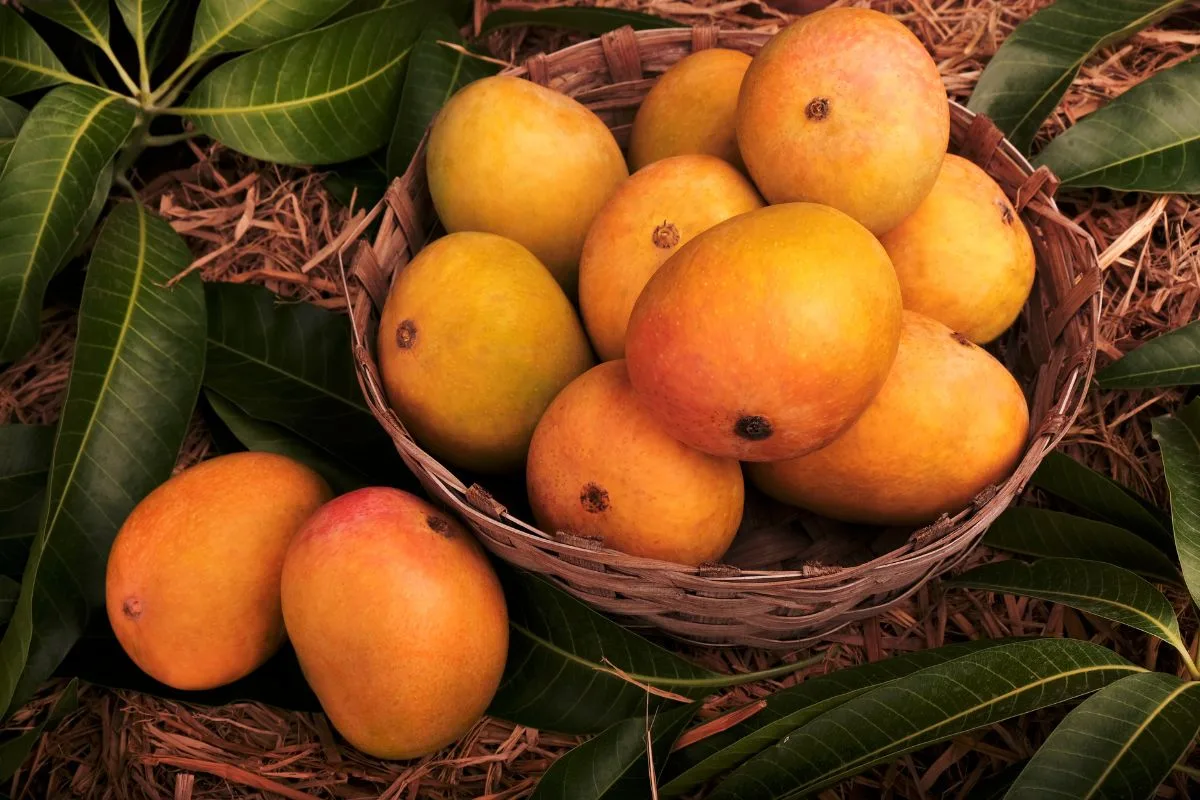


[…] through appropriate foods, including avoiding those that can spike glucose levels, exploring the foods to avoid with high blood sugar can offer practical insights tailored to the Indian diet. Recognizing these fundamentals empowers […]