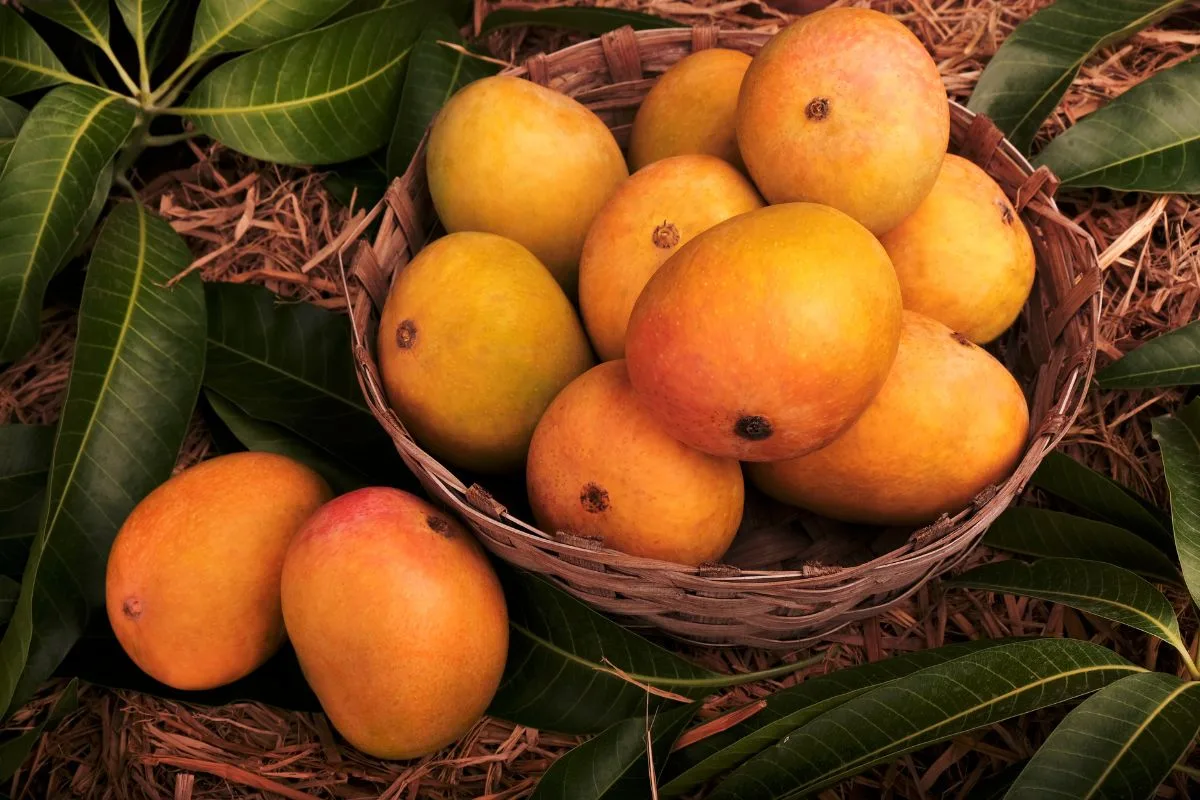
Mango is a sweet and popular fruit loved worldwide, but its suitability for diabetics is often questioned. This discussion explores the nutritional aspects of mangoes and scientific insights into how they affect blood sugar levels in people with diabetes.
Nutritional Composition of Mango
Mangoes are not just delicious but also rich in nutrients that impact body metabolism significantly. Their nutritional composition includes a variety of macronutrients and micronutrients, which are important to understand, especially for individuals managing blood sugar levels. A typical serving of mango (about 100 grams) contains approximately 14-15 grams of carbohydrates, primarily in the form of natural sugars and dietary fiber. These carbohydrates provide a quick source of energy but can influence blood glucose levels depending on how they are metabolized.
Dietary fiber in mangoes constitutes about 1.6 grams per 100 grams. Fiber plays a crucial role in slowing down sugar absorption, which helps in modulating blood sugar spikes. For diabetics, fiber-rich foods are beneficial because they can improve glycemic control by reducing the rate at which glucose enters the bloodstream. Moreover, fiber supports digestive health and promotes the feeling of fullness, potentially aiding appetite regulation.
The sugar content in mango primarily includes natural sugars such as fructose, glucose, and sucrose. These sugars contribute to the fruit’s sweetness but also pose a consideration for diabetics. Understanding how these sugars interact with the body’s metabolism is vital for managing insulin response and maintaining optimal glucose levels.
Mangoes also contain significant amounts of vitamins and minerals that influence metabolic processes. They are an excellent source of vitamin C, providing roughly 36 mg per 100 grams. Vitamin C is a potent antioxidant that supports immune function and reduces oxidative stress, which is often elevated in metabolic disorders like diabetes. Aside from vitamin C, mangoes have appreciable levels of vitamin A (in the form of beta-carotene), which supports eye health and cellular functions.
Minerals such as potassium (about 170 mg per 100 grams) are essential for maintaining fluid balance and supporting nerve and muscle function. Potassium also helps counteract the effects of sodium and may aid in controlling blood pressure — a common concern for diabetics. Trace amounts of magnesium and calcium in mangoes contribute to enzymatic reactions integral to glucose metabolism.
Understanding the nutritional profile of mango is crucial because each component influences metabolism in specific ways. Carbohydrates and sugars impact glucose and insulin, fiber moderates glucose absorption, and vitamins and minerals support enzymatic and antioxidant functions that help maintain metabolic health. For diabetics, this holistic view enables better dietary decisions by weighing the benefits of nutrient intake against the potential impact on blood sugar levels.
For more insight into how macronutrients affect your diet, you can explore understanding macronutrients.
Glycemic Index and Glycemic Load Explained
Glycemic Index (GI) and Glycemic Load (GL) are essential concepts in understanding how foods affect blood sugar levels. The glycemic index measures how quickly a carbohydrate-containing food raises blood glucose compared to pure glucose, which has a GI of 100. Foods with a high GI (70 or above) cause rapid spikes in blood sugar, while low GI foods (55 or less) result in a slower, more gradual increase. This makes GI a useful tool for diabetics aiming to avoid sharp blood sugar fluctuations.
The glycemic load, on the other hand, considers both the quality (GI) and quantity (carbohydrate content) of the food consumed. It is calculated by multiplying the GI of the food by the amount of carbohydrates (in grams) per serving, then dividing by 100. GL offers a more practical understanding of a food’s impact on blood sugar because it accounts for typical portion sizes. A GL under 10 is considered low, 11-19 moderate, and 20 or more high. Managing the GL is crucial for diabetics who need to control their glucose levels while still enjoying a balanced diet.
Mango, despite its sweet taste, ranks in the medium range on the GI scale, typically between 41 to 60, depending on ripeness and variety. This means mango causes a moderate rise in blood sugar compared to high GI foods like white bread or sugary desserts. A medium GI suggests mangoes can cause some increase in glucose but not as rapidly or dramatically as high GI foods. However, the glycemic load of mango depends on the serving size due to its natural sugar content.
Because mangoes contain natural sugars and carbohydrates, their GL can range from low to moderate when eaten in typical servings (about 100 grams). For example, a small portion of mango might have a GL around 5-8, which classifies as low. But larger portions or more concentrated mango products can push the glycemic load into the moderate range, causing more significant blood sugar elevations.
It is also important to remember that the fiber content of mango slows carbohydrate absorption, mitigating blood sugar spikes to some extent. Therefore, while diabetics should exercise caution, mango can be included in moderation within a blood sugar-friendly diet. Pairing mango with protein, healthy fats, or fiber-rich foods can further help control its glycemic impact.
Understanding the GI and GL values of mango allows diabetics to better control their post-meal blood glucose levels. It prevents the common misconception that all sweet fruits must be avoided entirely. Moderation and portion control, guided by glycemic principles, enable diabetics to enjoy mango without detrimental effects on their glucose management.
For more insights on low glycemic index foods suitable for diabetic diets, you may find this resource valuable: low glycemic index Indian foods.
Scientific Studies on Mango Consumption in Diabetics
Scientific studies on mango consumption in diabetic patients reveal a nuanced relationship between mango intake and blood glucose control. Several clinical trials have explored how the natural sugars and phytonutrients in mango affect blood sugar levels, insulin sensitivity, and overall metabolic responses in individuals with type 2 diabetes.
One key observation is that whole mango consumption in moderate amounts generally causes a mild to moderate increase in postprandial blood glucose. This response is influenced by the fruit’s sugar composition, fiber content, and bioactive compounds. A controlled trial comparing the effects of ripe mango versus a glucose solution showed that while mango raised blood sugar, the rise was less pronounced and lasted for a shorter duration than pure glucose. This suggests mango’s intrinsic fiber and antioxidants may modulate glucose absorption and insulin response.
Research has also examined mango leaf extracts, traditionally used in some cultures for diabetes management. These extracts have been shown in some studies to improve insulin sensitivity and lower fasting blood glucose in diabetic animal models. However, data in humans is still limited, and standardized dosage and preparation methods remain unclear.
Further investigations focusing on mango pulp or juice demonstrate more variable effects. Unlike whole mango, mango juice often lacks fiber and may have higher glycemic impact due to concentrated sugars. Consumption of mango juice in diabetic subjects can lead to sharper blood glucose spikes, highlighting the importance of form and portion size.
Importantly, some interventional studies noted positive changes beyond glucose metrics. These include reductions in oxidative stress markers and inflammation, both important in diabetes complications. These benefits are attributed to mango’s rich content of polyphenols, carotenoids, and vitamin C. However, consuming mango alongside a balanced meal or as part of a low glycemic diet is often recommended to avoid abrupt glycemic excursions.
In summary, scientific findings suggest moderate consumption of whole mango can be integrated safely into a diabetic diet, provided portion control and overall carbohydrate intake are managed. Whole mango’s fiber and bioactive compounds may offer advantages over processed forms like juice or canned products. Further research in human clinical settings is required to define optimal serving sizes and frequency for different diabetic populations.
For those interested in how specific foods affect blood sugar, this article on sugar spikes and blood glucose management provides valuable insights into preventing and controlling these fluctuations effectively.
Benefits of Mango for Diabetics Beyond Blood Sugar
Mangoes offer several health benefits for diabetics beyond their impact on blood sugar levels. These benefits stem from their rich nutritional profile, which includes antioxidants, fiber, and essential vitamins, all of which may help reduce diabetic complications and support overall health. Understanding these benefits can provide a broader perspective on the role mangoes might play in a diabetic-friendly diet.
One key advantage of mangoes lies in their antioxidant content. Mangoes contain polyphenols and vitamins such as vitamin C and beta-carotene, which act as antioxidants that neutralize free radicals. Oxidative stress plays a significant role in the progression of diabetic complications, including neuropathy, retinopathy, and cardiovascular disease. Research indicates that antioxidants can reduce oxidative damage and inflammatory pathways that exacerbate diabetes-related issues. For example, vitamin C has been shown to improve endothelial function and reduce blood pressure, both critical factors in diabetes management.
Dietary fiber in mangoes, though moderate compared to some vegetables, also supports metabolic health. Fiber slows glucose absorption in the intestines, which may contribute to more stable blood sugar levels after eating. Moreover, fiber enhances digestive health and promotes a feeling of fullness, which can help with weight management—a crucial factor in controlling type 2 diabetes. A diet rich in fiber has also been associated with lower cholesterol levels, thus reducing cardiovascular risk that is elevated in diabetic patients.
Mangoes are an excellent source of several vitamins and minerals such as vitamin A, vitamin E, vitamin K, and potassium. Vitamin A, derived from beta-carotene in mangoes, is vital for maintaining eye health. Given that diabetic retinopathy is a common complication, adequate vitamin A intake may support retinal health. Potassium aids in regulating blood pressure by balancing sodium levels, which may protect the heart—a major concern for people with diabetes. Vitamin K supports proper blood clotting, while vitamin E functions as another antioxidant that enhances immune health and cellular repair.
Furthermore, mangoes contain bioactive compounds like mangiferin, which studies suggest have anti-inflammatory and anti-diabetic properties. Mangiferin has demonstrated potential in improving insulin sensitivity and reducing inflammation in experimental models. While human data is still emerging, these compounds signify additional protective roles beyond basic nutrition.
Overall, including mangoes in moderate amounts as part of a balanced diet may contribute to improved diabetic outcomes by addressing oxidative stress, promoting gut health through fiber, and providing essential nutrients important for preventing complications. For practical guidance on how fiber aids diabetes management and overall health, see this detailed resource on the benefits of dietary fiber. Incorporating such nutrient-dense fruits must, however, be balanced with individualized monitoring of blood sugar responses, as discussed in later sections.
Risks and Considerations When Eating Mango for Diabetics
While mangoes offer health benefits, people with diabetes should be mindful of certain risks and considerations to avoid negative effects on blood sugar control. One of the primary concerns is the glycemic impact of mango. Being naturally rich in sugars such as fructose and glucose, mangoes can cause blood sugar spikes, especially if consumed in large quantities or on an empty stomach. These spikes can complicate glucose management and lead to increased HbA1c levels if not monitored carefully. The effect may vary depending on factors like ripeness, portion size, and individual metabolic response.
Besides blood sugar control, another potential risk is the possibility of allergic reactions. Although mango allergies are not very common, some diabetics could have sensitivities to certain compounds in the fruit, such as urushiol, which is also found in poison ivy. This allergen can cause skin reactions like itching, redness, or swelling after contact. In rare cases, ingestion might trigger gastrointestinal disturbances or systemic allergic symptoms. Those with a history of fruit allergies or skin sensitivities should exercise caution and consider consulting their healthcare provider before adding mangoes to their diet.
It is also important to recognize that individual responses to mango intake can vary. Some people might experience a moderate rise in blood glucose, while others could see more pronounced elevations. This variability is influenced by factors such as insulin sensitivity, medication use, physical activity levels, and overall diet composition. Continuous glucose monitoring or frequent blood sugar checks after consuming mango can provide valuable insights into its personalized impact.
People with diabetes should watch for signs that indicate their body is not tolerating mango well. Key indicators include:
- Unusual or prolonged elevations in blood sugar readings.
- Symptoms such as dizziness, fatigue, excessive thirst, or frequent urination following mango consumption.
- Any skin irritation or allergic reactions shortly after eating or handling mangoes.
If any of these occur, it may be necessary to reduce mango intake or avoid it altogether. Consulting a healthcare professional or registered dietitian can help refine individual guidelines for including mango safely.
Additionally, considering the sugar and calorie content, mangoes should be balanced with low glycemic index foods to mitigate rapid glucose absorption. Exercises and medications should also be optimally timed to accommodate fruit intake when applicable. Learning about managing sugar spikes can empower diabetics to better navigate mango consumption as part of their dietary plan.
Practical Tips for Including Mango in a Diabetic Diet
When incorporating mangoes into a diabetic diet, portion control is essential to avoid blood sugar spikes. A small serving size, typically around half a cup of fresh mango pieces, provides sweetness and nutrients without excessive carbohydrate load. Measuring portions with a kitchen scale or using standard cups can help maintain consistency. Avoid large servings or consuming mangoes too frequently, as the natural sugars can quickly accumulate and impact glucose control.
Timing is another crucial factor. Eating mangoes alongside or after a meal that contains protein, healthy fats, or fiber can slow carbohydrate absorption and reduce glycemic impact. For instance, pairing mango with nuts, yogurt, or even a small portion of whole grains moderates the blood sugar response. Mangoes consumed on an empty stomach may cause a sharper rise in glucose, so consider them as part of a balanced meal rather than a standalone snack.
Tracking your individual blood sugar responses to mango is key. Blood glucose meters or continuous glucose monitors (CGM) can help identify how your body handles mango intake over time. Monitoring after eating mango allows adjustments in portion size and timing to better suit your unique metabolism. Keep a food and glucose log to spot patterns, which supports smarter dietary decisions.
Combining mango with other low glycemic index foods or high fiber options also enhances its suitability for diabetic diets. For example, mango added to a salad with leafy greens or a smoothie with seeds and protein powder can balance its sugar content. This approach helps maintain steady energy levels and prevents rapid glucose fluctuations.
It is wise to avoid mango preparations with added sugars, such as jams, preserves, or sweetened beverages, because these amplify the glycemic load. Fresh, ripe mango is always preferable, as it offers fiber and nutrients without unnecessary additives.
Ultimately, proactive self-awareness and moderation are the best strategies for enjoying mangoes safely. Each person’s glycemic response varies, so start with small amounts, observe reactions, and adjust accordingly. For further detailed dietary plans tailored to diabetes, resources like diet for type 2 diabetes provide valuable insights into managing carbohydrates and controlling blood sugar effectively.
Seeking Professional Dietary Advice to Manage Diabetes
Managing diabetes effectively requires a tailored approach to nutrition that considers individual needs, lifestyle, and medical conditions. While mango is a nutritious fruit, its natural sugar content can impact blood glucose levels differently for each person. Therefore, consulting healthcare professionals and registered dietitians is essential before including mango or any fruit regularly in your diet. These experts can evaluate your health profile and design a dietary plan that balances enjoyment and blood sugar management.
A personalized nutrition plan takes into account:
- Current blood glucose control and medication regimen
- Any complications related to diabetes such as neuropathy or cardiovascular risks
- Your overall dietary preferences, activity levels, and metabolic rate
- The glycemic index and glycemic load of fruits and how your body responds to them
By seeking professional advice, you can learn the right portion sizes and frequency for consuming mango, which helps prevent unexpected spikes in blood sugar. Health experts can also recommend the best timing for fruit consumption, such as pairing mango with foods rich in fiber or protein. This combination can potentially slow down sugar absorption and reduce blood sugar fluctuations.
Moreover, continuous monitoring tools like glucose meters can be integrated into your plan. Experts help interpret these readings to fine-tune your diet and ensure mango fits safely into your meal plan. Without this guidance, self-managing with generic information might lead to either overly restrictive diets or underestimating the impact of certain foods.
For those interested in professionally guided support, remote diet consultations provide an accessible way to connect with qualified dietitians. These sessions offer customized recommendations, meal suggestions, and ongoing adjustments based on your progress and preferences. This approach empowers you to enjoy variety, including seasonal fruits like mango, in a controlled manner that maintains optimal blood sugar levels.
Remember, every diabetic journey is unique. What works well for one individual might not suit another. Integrating mango into your diet is safest when aligned with medical advice and careful monitoring. To understand more about diabetic-friendly foods and build a comprehensive eating plan, explore expert-guided resources on diet strategies designed specifically for type 2 diabetes.
Final words
Mangoes can be included in a diabetic diet when consumed in moderation and with attention to portion size. Scientific evidence suggests that their natural sugars and glycemic properties require careful management. Consulting healthcare professionals can help personalize dietary choices without sacrificing fruit enjoyment.
The content provided in this blog post is intended for general knowledge and informational purposes only. It should not be considered a substitute for professional medical advice, diagnosis, or treatment. For personalized health recommendations tailored to your individual needs, we highly encourage you to connect with our certified clinical dietitians. Visit us at Axis Diet Consulting to schedule a consultation and take the first step toward your health journey!