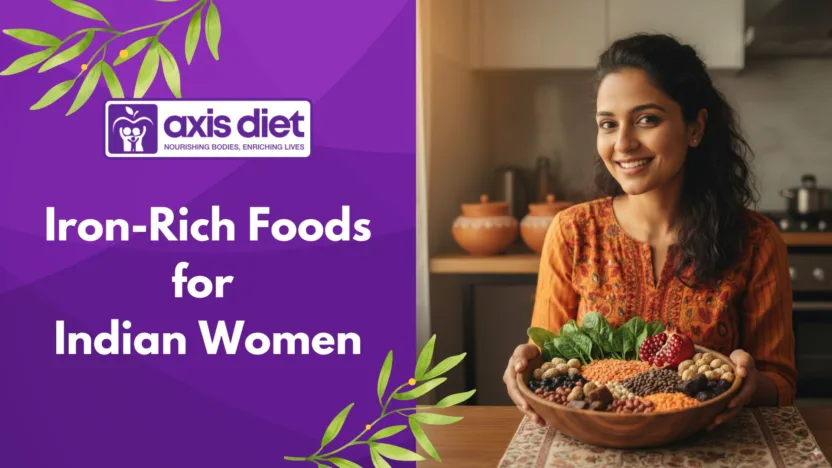
Iron is a vital mineral for women, especially in India, where dietary habits and lifestyle can lead to iron deficiency. Including iron-rich Indian foods daily supports energy levels, immunity, and overall wellbeing. This guide explores natural, accessible foods that help meet daily iron needs effectively.
Understanding the Importance of Iron for Indian Women
Iron is a crucial nutrient for Indian women due to several physiological and dietary factors unique to their lives. The monthly loss of blood through menstruation increases iron requirements. This natural process can lead to a significant reduction in the body’s iron stores if not adequately replenished, making women more vulnerable to iron deficiency than men. During pregnancy, the demand for iron rises even higher. Iron is essential for the production of hemoglobin, which carries oxygen to the growing fetus and helps maintain the mother’s health. Insufficient iron intake during these stages can have serious consequences for both mother and child.
Indian diets often face challenges that contribute to iron deficiency. Many traditional vegetarian diets are rich in non-heme iron, which has lower bioavailability than heme iron found in animal products. Additionally, frequent consumption of tea or coffee can inhibit iron absorption due to the compounds they contain. Geographical and socio-economic factors also play roles, as diets in certain regions might lack a variety of iron-rich foods. Coupled with poor awareness about nutritional needs, this results in a widespread prevalence of iron insufficiency among Indian women.
The consequences of iron deficiency are profound. Anemia is the most common outcome and is characterized by reduced hemoglobin levels leading to symptoms such as:
- Persistent fatigue and weakness, making daily tasks more difficult
- Dizziness and shortness of breath even with mild exertion
- Weakened immunity, leading to increased susceptibility to infections
- Reduced cognitive function and concentration issues
In pregnant women, anemia increases the risks of preterm delivery, low birth weight, and maternal mortality. For young girls and women, untreated iron deficiency anemia can impair physical growth, productivity, and overall quality of life.
Despite its importance, iron-rich foods are often under-consumed or improperly combined in Indian diets. The reliance on cereals and legumes alone is insufficient because iron from plant sources binds to phytates, reducing absorption. Moreover, many women have limited access to animal-based iron foods due to cultural or economic reasons. This dietary pattern demands deliberate and informed choices emphasizing iron intake.
Intentional consumption of iron-rich foods daily is necessary to overcome these challenges. Incorporating a variety of sources such as leafy greens, pulses, nuts, seeds, and certain animal products, paired with absorption enhancers like vitamin C-rich fruits, can help meet the higher iron needs. Awareness and education on the importance of iron and how to optimize its absorption through Indian dietary practices are critical steps toward preventing anemia and improving women’s health.
For a detailed guide on boosting immunity and nutrition, Indian women can refer to immunity boosting diet tips, which also emphasize the role of nutrient-rich foods including iron sources.
Types of Iron and Their Absorption in the Body
Dietary iron exists in two primary forms: heme iron and non-heme iron. Understanding their differences is crucial for Indian women striving to improve iron intake and absorption. Heme iron is derived from animal sources and is absorbed more efficiently by the body, with an absorption rate of about 15-35%. In contrast, non-heme iron, found in plant-based foods, has a lower absorption rate, generally between 2-20%, largely influenced by other dietary components.
In the context of Indian diets, heme iron is mainly found in animal products like mutton, chicken liver, and fish. However, a significant portion of Indian women follow vegetarian or predominantly plant-based diets, where non-heme iron becomes the primary source. Non-heme iron-rich Indian foods include leafy greens (such as spinach and amaranth leaves), pulses (like lentils and chickpeas), nuts, seeds, and whole grains like millets and ragi. These plant-sourced irons require more careful dietary strategies to enhance absorption.
Several factors impact iron absorption from meals. For example, vitamin C greatly improves non-heme iron absorption by reducing it to a form that the intestine more readily absorbs. Including vitamin C-rich foods common in Indian kitchens—such as guava, citrus fruits like oranges and lemons, tomatoes, and raw mango—alongside iron-rich dishes can maximize uptake.
Conversely, certain substances inhibit iron absorption. Polyphenols and tannins found in black tea and coffee can significantly reduce iron uptake if consumed with or shortly after meals. Similarly, calcium-rich dairy products and phytates in whole grains and legumes can bind to iron and decrease its bioavailability. Traditional practices like drinking chai immediately after meals may unintentionally limit iron absorption for many women, so spacing out tea or coffee consumption at least an hour away from iron-rich meals is beneficial.
To get the most out of dietary iron, consider practical tips:
- Combine iron-rich plant foods with vitamin C sources in the same meal, such as spinach dal cooked with tomatoes and a squeeze of lemon.
- Soak, ferment, or sprout pulses and grains to reduce phytate content and boost iron availability.
- Avoid tea or coffee close to main meals containing iron; instead, enjoy them between meals.
- Incorporate small amounts of animal protein if feasible, as it can enhance absorption of non-heme iron from plant sources.
- Opt for cooking methods that preserve iron, such as using cast iron cookware, which can transfer small amounts of iron to food.
Adopting these strategies helps Indian women overcome dietary challenges and improves iron uptake, supporting overall health and vitality. For detailed nutrient insights, see the article on the vital role of minerals in the diet.
Top Iron Rich Pulses and Legumes in Indian Cuisine
Pulses and legumes form a cornerstone of Indian diets and are excellent sources of non-heme iron, essential for women’s health. Among these, chickpeas (chana), lentils (dal), and rajma (kidney beans) stand out for their high iron content and nutritional profile. Chickpeas offer approximately 4.7 mg of iron per 100 grams, lentils provide around 3.3 mg per 100 grams, and rajma contains close to 5 mg per 100 grams when cooked. These values make pulses crucial for iron intake, especially in vegetarian diets common across India.
Beyond iron, these legumes are rich in protein, dietary fiber, and essential micronutrients like folate and magnesium. These nutrients contribute to improved immunity, digestion, and overall energy levels, which are particularly important for women who may face iron deficiency due to menstrual blood loss or pregnancy-related demands. Including these legumes daily helps sustain steady iron levels and supports hemoglobin synthesis.
To integrate these iron-rich pulses into daily meals, traditional dishes such as chole (chickpea curry), dal tadka, and rajma masala can be prepared with simple variations to maximize iron retention and absorption. Soaking these legumes before cooking reduces phytic acid, a natural inhibitor of iron absorption. Using a pressure cooker not only saves time but also helps preserve more nutrients compared to prolonged boiling.
Adding a squeeze of lemon or other vitamin C-rich ingredients like tomatoes or coriander leaves during or after cooking can significantly boost the absorption of non-heme iron. Avoid consuming tea or coffee immediately after meals, as their polyphenols can inhibit iron uptake. Instead, drinking water infused with lemon or fresh fruit juices complements these meals well.
Here are some practical preparation tips to enhance iron intake from pulses and legumes:
- Soak pulses overnight and discard the soaking water to reduce anti-nutrients.
- Cook with acidic ingredients like tamarind or tomatoes to improve iron bioavailability.
- Pair pulses with vitamin C sources, such as raw salads or fresh chutneys.
- Use minimal water while cooking to retain water-soluble nutrients.
- Consume fermented accompaniments like idli or dosa batter to aid digestion and nutrient assimilation.
These methods help Indian women harness the full nutritional potential of pulses for better iron status. Regular inclusion of such dishes supports healthy blood formation and combats iron deficiency anemia naturally.
For those interested in optimizing plant-based protein sources along with iron, exploring high protein Indian breakfast ideas can provide valuable meal inspirations that combine iron-rich legumes with other nutrient-dense ingredients.
Leafy Greens and Vegetables That Provide Iron
Leafy greens and vegetables are vital sources of non-heme iron in the diet of Indian women. Among these, spinach (palak) is one of the richest and most widely consumed iron-rich greens. A 100-gram serving of spinach provides approximately 2.7 mg of iron, along with essential vitamins, minerals, and antioxidants that support overall health. Palak is often included in daily meals through dishes like palak sabzi, dal palak, or palak paratha, which help maintain adequate iron levels, especially for women who are more prone to iron deficiency anemia.
Another excellent iron source is fenugreek leaves (methi). Fenugreek not only supplies iron but also contains fiber and essential phytonutrients. Methi leaves contain about 1.5 mg of iron per 100 grams. Their slightly bitter taste complements Indian recipes such as methi thepla, methi dal, and methi aloo. These dishes provide iron while also offering protective benefits for blood sugar regulation and digestion, making fenugreek leaves an indispensable part of a nutritious meal plan.
Amaranth leaves (chaulai) are yet another potent source of iron. Offering roughly 2.3 mg of iron per 100 grams, amaranth is cherished for its high nutrient density. It is versatile and can be cooked as a stir-fry, added to dals, or made into stuffed parathas. Amaranth leaves also provide calcium, magnesium, and vitamins A and C, contributing to bone health and immune support alongside iron supplementation.
Maximizing the absorption of iron from these leafy greens requires mindful preparation methods. Iron in plant foods is often bound by compounds like phytates and oxalates, reducing its bioavailability. Cooking techniques such as steaming or lightly sautéing can help reduce these inhibitors without excessively destroying vitamins. Overcooking should be avoided to preserve vitamin C and folate, which assist in iron absorption.
Pairing iron-rich leafy vegetables with foods high in vitamin C significantly enhances non-heme iron uptake. Adding a squeeze of lemon juice or consuming these greens alongside vitamin C-rich ingredients like tomatoes, bell peppers, or amla (Indian gooseberry) can increase iron absorption by up to five times. For example, a dish like palak paneer garnished with lemon or a fenugreek curry served with tomato salad can make the iron more accessible to the body.
Including these iron-rich greens regularly in meals not only boosts iron intake but also adds fiber and antioxidants important for women’s health. They support energy levels, improve hemoglobin synthesis, and help combat fatigue associated with iron deficiency. For further insight into incorporating micronutrient-rich greens, refer to this spinach nutrition guide that highlights the role of leafy greens and ways to prepare them effectively.
Incorporating Iron Rich Nuts, Seeds, and Grains
Nuts, seeds, and grains play a significant role in boosting iron intake for Indian women. These plant-based sources contain non-heme iron, which, although less readily absorbed than heme iron, can still meaningfully contribute to daily requirements when consumed regularly. Certain nuts, seeds, and millets commonly used in Indian cooking are naturally rich in iron and offer additional health benefits like fiber, vitamins, healthy fats, and antioxidants.
Sesame seeds (til) are particularly high in iron, providing about 14 mg per 100 grams. They are widely used across Indian cuisine, from sweets like tilgul to savory snacks. Sprinkling roasted sesame seeds over salads or incorporating them into chutneys can enhance both flavor and iron content. Sesame seeds can also be ground into pastes or added to roti dough for a subtle nutty taste. Including sesame seeds in daily snacks or as a garnish increases iron intake effectively.
Almonds offer approximately 3.7 mg of iron per 100 grams alongside magnesium, vitamin E, and protein. Roasted almonds can be a convenient and nutrient-dense snack for women, or they can be blended into smoothies, chopped and sprinkled over breakfast cereals, or mixed into traditional Indian sweets like halwa. Almond flour is becoming increasingly popular as an alternative to wheat flour in baking, which also enriches recipes with iron and healthy fats.
Millets such as ragi (finger millet), jowar (sorghum), and bajra (pearl millet) are staples in many Indian households and are noteworthy for their iron content. Ragi, in particular, contains about 3.9 mg of iron per 100 grams. These grains are naturally gluten-free and highly nutritious, providing complex carbohydrates and essential minerals that support blood health. Incorporating millets into the diet can be as simple as preparing porridges, dosas, idlis, or swapping regular wheat rotis for millet rotis. Millet flours can also be used to make savory snacks or baked dishes, making it easier to include iron-rich grains daily.
Adding nuts, seeds, and millets into meals optimizes iron consumption through diverse options:
- Mixing sesame seeds or chopped nuts into salads and yogurt bowls for texture and nutrients.
- Preparing millet-based porridges or snacks like ragi malt or bajra ladoos.
- Using millet flours in rotis, parathas, and pancakes instead of relying solely on wheat flour.
- Incorporating seeds and nuts into chutneys or dry spice blends that accompany meals.
To enhance iron absorption from these plant sources, pair them with vitamin C-rich foods such as lemon juice, tomatoes, or fresh coriander in the same meal. This combination helps overcome non-heme iron’s lower bioavailability. With routine inclusion, these iron-rich nuts, seeds, and grains can naturally strengthen iron levels while contributing to a balanced diet.
For ideas on incorporating iron-rich foods into meals, exploring healthy tiffin ideas can be helpful in creating practical and tasty options.
Role of Animal Based Iron Sources in Indian Diets
Animal-based iron sources play a valuable role in the diets of many Indian women who consume non-vegetarian foods. These sources primarily provide heme iron, which is found in animal tissues and is biologically more available to the body than non-heme iron from plant sources. Heme iron absorption rates range from 15% to 35%, considerably higher than non-heme iron’s 2% to 20%. This makes animal products effective in increasing iron levels efficiently, especially for women at risk of iron deficiency.
Common animal-based iron sources in Indian diets include lean meats such as chicken and mutton, eggs, and various types of fish. Chicken liver, for instance, is exceptionally rich in iron, while fish like sardines and mackerel offer moderate amounts along with omega-3 fatty acids. Eggs, especially the yolk, contain both iron and important nutrients like vitamin B12, which supports red blood cell production. These foods provide a compact source of nutrients and are easier to incorporate into traditional meals, such as curries or tandoori preparations.
One of the key advantages of heme iron is its ability to enhance the absorption of non-heme iron consumed simultaneously. For example, including a small portion of fish or eggs in a meal rich in plant-based iron sources like dals and spinach can significantly improve overall iron uptake. This synergistic effect helps optimize iron nutrition without requiring large quantities of animal products, which is helpful for those balancing cultural or personal dietary preferences. Additionally, iron from animal sources is less affected by inhibitors like phytates or polyphenols, often abundant in plant foods.
Cultural factors influence how women in India incorporate animal-based iron. Many communities follow vegetarian or semi-vegetarian practices due to religious beliefs, so animal-sourced iron may not be an everyday part of their diets. However, for those who do consume these foods, mindful inclusion of small but regular portions can address iron needs well. For instance, adding boiled eggs to salads or snacks, including fish curries a couple of times a week, or using lean chicken in everyday dishes can maintain balanced iron levels.
It is important to prepare animal-based iron sources using healthy cooking methods that preserve nutrients. Grilling, steaming, or lightly sautéing meats and fish are preferable to deep-frying, which can add unhealthy fats. Combining these with vitamin C-rich ingredients common in Indian cooking, such as tomatoes, lemon juice, or coriander, further enhances iron absorption. To understand the nutritious potential of eggs in Indian diets and how they support women’s health, consider exploring insights on eggs.
Practical Tips for Daily Iron Inclusion and Consultation
Practical strategies can help Indian women consistently include iron-rich foods in their daily meals. Begin by planning meals that incorporate a variety of iron sources to meet daily requirements. For example, include leafy greens like amaranth leaves or fenugreek in sabzis, pair them with pulses such as moong or masoor dal, and consider occasional consumption of eggs or lean meats if culturally acceptable. Using iron-rich grains like jowar, bajra, or ragi as staples can provide additional iron and diversify nutrient intake. Preparing meals with these grains, including dishes like ragi roti or bajra khichdi, helps incorporate iron easily.
Combining foods wisely enhances iron absorption. Vitamin C-rich foods such as lemon, guava, amla, or tomatoes eaten alongside iron-rich meals can significantly boost non-heme iron absorption. For instance, squeezing fresh lemon juice over spinach dal or adding raw tomatoes to salads introduces vitamin C effectively. Additionally, fermented foods like idli or dosa batter not only are traditional Indian foods but also improve nutrient bioavailability, including iron. Avoid combining iron-rich meals with inhibitors like tea, coffee, or foods high in calcium at the same time, as these can reduce iron absorption. Instead, consume these beverages at least an hour before or after meals.
Maintaining a balanced diet is essential. Along with iron, ensure adequate intake of other nutrients like folate, vitamin B12, and protein. These nutrients support the formation and function of red blood cells. Regularly consuming a combination of pulses, vegetables, dairy, and moderate amounts of animal products helps sustain healthy iron levels while meeting overall nutritional needs. Women should also focus on variety to avoid dietary monotony and ensure wider micronutrient coverage.
Monitoring iron status through routine blood tests is important, especially during pregnancy, menstruation, or when symptoms like fatigue and weakness appear. Adjusting dietary choices based on iron levels can prevent anemia and related complications. Personalized advice from nutrition experts can further optimize meal plans and address individual health concerns.
For tailored nutrition guidance suited to your lifestyle and health profile, consider consulting a dietitian. Book a consultation for a personalized Indian diet plan to receive expert guidance on including iron-rich foods effectively and sustainably in your diet.
Final words
Daily consumption of iron rich Indian foods can significantly improve women’s health by preventing iron deficiency and boosting energy. Incorporate these foods into your routine for better wellbeing. For personalized diet advice, consider consulting a nutrition expert to tailor a plan that suits your needs perfectly.
The content provided in this blog post is intended for general knowledge and informational purposes only. It should not be considered a substitute for professional medical advice, diagnosis, or treatment. For personalized health recommendations tailored to your individual needs, we highly encourage you to connect with our certified clinical dietitians. Visit us at Axis Diet Consulting to schedule a consultation and take the first step toward your health journey!