Lowering blood sugar naturally is essential for maintaining overall health and preventing diabetes complications. Indian foods offer a variety of ingredients and dietary practices that help regulate blood sugar levels. Exploring traditional and modern Indian diet approaches can provide practical and sustainable ways to manage blood sugar through nutrition.
Understanding Blood Sugar and Its Impact on Health
Blood sugar, also known as blood glucose, is the primary source of energy for the cells in the body. It comes from the food consumed, especially carbohydrates, which break down into glucose and enter the bloodstream. The body tightly regulates blood sugar levels through hormones, primarily insulin, which helps cells absorb glucose for energy or storage. Maintaining balanced blood sugar levels is essential for normal functioning and overall health. When blood sugar levels fluctuate beyond the normal range, it can lead to various health complications.

High blood sugar, or hyperglycemia, occurs when the body’s ability to produce or respond to insulin is impaired. This can cause excess glucose to remain in the bloodstream, leading to long-term damage to blood vessels, nerves, and organs. Individuals with persistently high blood sugar are at a higher risk of developing type 2 diabetes, heart disease, kidney problems, vision loss, and poor wound healing. Blood sugar that is too low, on the other hand, can cause symptoms like dizziness, weakness, confusion, and if severe, can be life-threatening.
The importance of regulating blood sugar levels naturally cannot be overstated, especially in India, where dietary habits heavily influence health outcomes. Balanced levels prevent excessive insulin spikes and crashes, stabilizing energy and reducing the risk of chronic diseases. Natural dietary strategies focus on consuming foods that have a low glycemic impact, rich in fiber and essential nutrients, which slow down glucose absorption and improve insulin sensitivity. Such an approach not only helps maintain steady blood sugar but also supports metabolic health and overall well-being.
Unhealthy eating patterns with high intake of refined sugars and processed ingredients contribute significantly to blood sugar imbalances. Conversely, incorporating traditional Indian foods that are whole, minimally processed, and nutrient-dense can support natural blood sugar control. For example, foods like whole grains, legumes, fresh vegetables, and spices have beneficial effects on glucose metabolism. Alongside proper hydration and regular physical activity, these dietary choices form the foundation for managing blood sugar naturally.
Effective blood sugar management through natural means reduces dependency on medications and minimizes potential side effects. It also promotes better weight management, reduces inflammation, and enhances cardiovascular health. Understanding how blood sugar functions and the risks of its imbalance helps in making informed food choices and lifestyle adjustments.
For detailed guidance on managing high blood sugar through appropriate foods, including avoiding those that can spike glucose levels, exploring the foods to avoid with high blood sugar can offer practical insights tailored to the Indian diet. Recognizing these fundamentals empowers individuals to take active steps towards maintaining healthy blood sugar and preventing related health risks.
Key Nutrients in Indian Foods That Help Regulate Blood Sugar
Indian foods are rich sources of key nutrients that support blood sugar regulation naturally. One of the most vital nutrients in many Indian staples is dietary fiber. Fiber slows down the absorption of sugar in the bloodstream, reducing blood sugar spikes after meals. Whole grains like jowar (sorghum), bajra (pearl millet), and unpolished rice provide soluble and insoluble fibers, which aid in maintaining balanced glucose levels over time. Legumes such as chana, moong dal, and urad dal also contribute a substantial fiber content, promoting better glycemic control.
Antioxidants are another critical component found abundantly in Indian spices and fruits. These compounds reduce oxidative stress, which can impair insulin function and glucose metabolism. Spices like turmeric, containing curcumin, have potent antioxidant and anti-inflammatory properties. Curcumin has been shown to improve insulin sensitivity, thereby helping blood sugar regulation. Similarly, cinnamon, widely used in Indian cooking, contains polyphenols that mimic insulin activity and improve glucose uptake by cells.
Beyond fiber and antioxidants, Indian foods are rich in bioactive compounds that directly influence glucose metabolism. Fenugreek seeds (methi) contain soluble fibers and alkaloids that slow carbohydrate digestion and enhance insulin secretion. Bitter gourd (karela) is another example, packed with charantin and polypeptide-p, bioactive components known to reduce blood sugar levels naturally. These compounds work by improving glucose uptake and reducing insulin resistance.
Pulses and legumes are notable not only for fiber but also for their protein content, which aids satiety and reduces the glycemic load of meals. Including dals and beans regularly helps stabilize post-meal blood sugar. Additionally, the low glycemic index of many Indian grains and pulses means they cause slower, steadier rises in blood sugar.
Indian dietary practices also emphasize the use of spices, which, aside from flavor, have therapeutic properties. For example, ginger exhibits insulin-like effects and supports carbohydrate metabolism. Fenugreek is traditionally used to enhance insulin response, and its seeds are often soaked or ground to maximize bioavailability. Incorporating these spices can be a subtle yet effective means of managing blood glucose.
The synergistic effects of fiber, antioxidants, and bioactive compounds in Indian foods create a holistic approach to blood sugar control. Traditional meals combining whole grains, pulses, and a medley of spices provide these nutrients naturally, supporting balanced glucose metabolism over time. For a deeper understanding of fiber and its benefits in Indian diets, you can visit this comprehensive guide on fiber.
Popular Indian Foods with Natural Blood Sugar Lowering Properties
Fenugreek seeds are widely recognized in Indian households for their ability to help manage blood sugar levels. These small, yellowish seeds contain soluble fiber, which slows down carbohydrate digestion and absorption. To use fenugreek seeds, soak one to two teaspoons in water overnight and consume the water along with the seeds in the morning. Fenugreek powder can also be added to curries, dals, or mixed with warm water or buttermilk for a refreshing drink. Roasted fenugreek seeds can be ground into a powder and sprinkled over salads or yogurt to enhance flavor and benefits.
Bitter gourd, or karela, is a vegetable known for its hypoglycemic properties, largely due to bioactive compounds like charantin and polypeptide-p. These components mimic insulin’s effect, promoting better glucose utilization. To incorporate bitter gourd, slice it thinly, remove seeds, and soak the slices in salt water to reduce bitterness. It can be stir-fried with spices, stuffed with spiced fillings, or juiced with a pinch of salt and lemon. Consuming bitter gourd juice early in the day on an empty stomach maximizes its blood sugar lowering potential. Regular inclusion in meals helps maintain healthy glucose levels.
Amla, or Indian gooseberry, is rich in vitamin C, antioxidants, and chromium, which support improved insulin sensitivity. Fresh amla can be eaten raw in small amounts or prepared as juice mixed with water and a bit of honey or salt. Amla powder is another versatile form that can be added to smoothies, soups, or breakfast dishes like porridge. Including amla in the diet enhances the body’s ability to regulate blood sugar while boosting immunity.
Lentils such as masoor, toor, moong, and chana dal are staple protein and fiber sources in Indian cuisine with a low glycemic index. Their complex carbohydrates digest slowly, causing gradual rises in blood glucose. Lentils can be boiled into dals seasoned with turmeric, cumin, and coriander, or cooked as khichdi with rice and vegetables. Sprouted lentils serve as nutritious salads or chaat toppings, increasing enzyme activity and nutrient availability. Incorporating lentils daily provides sustained energy without blood sugar spikes.
To easily add these foods to your diet, try starting your day with fenugreek seed water and bitter gourd juice intermittently. Include dals for lunch and dinner alongside fresh amla or amla juice as a mid-morning or evening supplement. Preparing dishes like stuffed bitter gourd, sprouted lentil salads, and amla chutney also adds flavor and variety. These traditional ingredients align well with Indian meal planning focused on stable blood sugar by combining fiber, antioxidants, and bioactive compounds found naturally in familiar foods.
For detailed ideas on diet plans suitable for type 2 diabetes, where these ingredients are frequently emphasized, exploring traditional Indian dietary patterns can be both effective and sustainable.
Meal Planning with Indian Foods for Stable Blood Sugar

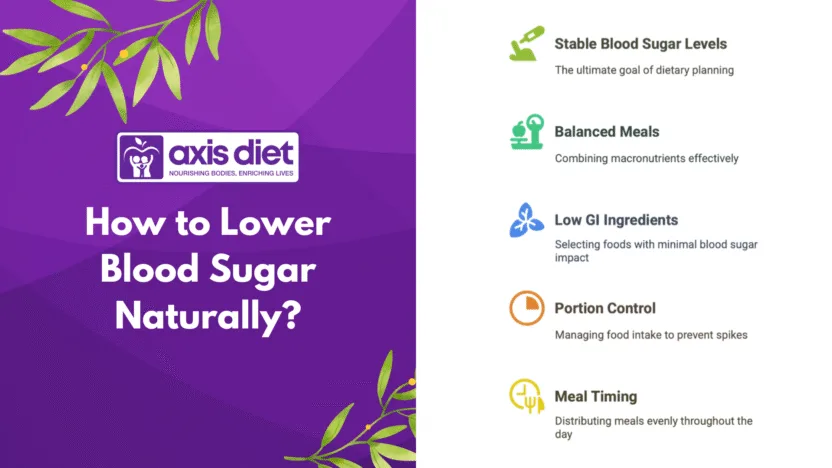
To maintain stable blood sugar levels through Indian meal planning, it is essential to create balanced meals that combine the right macronutrients and incorporate traditional, low glycemic index (GI) ingredients. Begin by focusing on portion control, as overeating any type of food can cause blood sugar spikes. A typical meal could include moderate servings of complex carbohydrates like millets, whole grains, or legumes, paired with adequate protein sources such as lentils, paneer, or lean poultry. Including fiber-rich vegetables, both cooked and raw, helps slow glucose absorption, contributing to more consistent blood sugar levels throughout the day.
Combining macronutrients strategically plays a critical role in regulating blood sugar. A meal rich in complex carbohydrates alone can elevate blood sugar faster than when paired with proteins and healthy fats. For example, serving brown rice with a mixed vegetable curry made with mustard oil and paneer ensures a balance of carbs, fats, and proteins, reducing the glycemic impact. Additionally, the inclusion of spices such as turmeric, cinnamon, and fenugreek not only enhances flavor but also supports blood sugar control through their bioactive compounds.
Timing meals evenly throughout the day prevents long fasting periods that may lead to insulin resistance or overeating later. Planning three main meals with one or two light snacks helps maintain energy and glucose levels. It is advisable to avoid heavy late-night meals and instead opt for lighter, nutrient-dense options like a bowl of moong dal khichdi with sautéed greens or a small dish of ragi porridge. This scheduling supports a steady metabolism and helps avoid sugar fluctuations.
Here are some sample meal ideas emphasizing whole foods and traditional recipes:
- Breakfast: Vegetable upma made with broken wheat or oats, accompanied by a bowl of plain yogurt or buttermilk
- Lunch: Bajra roti with mixed vegetable sabzi, a serving of dal, and a cucumber-tomato salad drizzled with lemon juice
- Snack: Roasted chana or a handful of almonds with a cup of green tea
- Dinner: Brown rice with bitter gourd curry and a side of sautéed spinach, followed by a small portion of fresh fruit like guava
Plan meals to emphasize ingredients with low to medium glycemic index values, such as millets (bajra, jowar, ragi), whole pulses, and non-starchy vegetables. Methods like soaking, fermenting, or sprouting pulses can further enhance nutrient bioavailability and aid digestion. Avoid refined flours and excessive use of sugar, choosing instead natural sweeteners sparingly combined with other ingredients.
For more detailed insights on balancing macronutrients for blood sugar control, see this comprehensive guide on understanding macronutrients.
Lifestyle Practices Complementary to Indian Dietary Approaches
Managing blood sugar effectively requires more than just the right diet; adopting holistic lifestyle practices can significantly enhance the benefits of Indian dietary approaches. One of the most crucial habits is regular physical activity. Engaging in daily movement improves insulin sensitivity and helps muscles use glucose more efficiently. Traditional Indian activities like morning walks, yoga, or even gardening contribute to this goal. Incorporating a mix of aerobic exercises and strength training can balance blood sugar levels better. For instance, post-meal walks of 15-20 minutes support digestion and prevent glucose spikes often seen after heavy Indian meals.
Another aspect often overlooked is stress management. Chronic stress triggers the release of cortisol, a hormone that raises blood sugar. Integrating calming practices from the Indian wellness tradition such as meditation, pranayama (breath control), or mindfulness can calm the nervous system and reduce stress-induced blood sugar fluctuations. Simple breathing exercises like Anulom Vilom or guided meditation for 10-15 minutes daily are accessible methods that complement dietary efforts.
Hydration also plays an important role in blood sugar control. Drinking sufficient water aids kidney function, which is responsible for filtering excess glucose from the bloodstream. Traditional Indian drinks such as buttermilk (chaas) or spiced herbal teas without added sugars can help maintain hydration levels while providing antioxidants. It is advisable to avoid sugary beverages and opt for natural, low-calorie fluids throughout the day to support metabolic balance.
Equally vital is maintaining consistent sleep patterns. Quality sleep regulates hormones related to appetite and glucose metabolism. Disrupted or insufficient sleep can worsen insulin resistance and increase cravings for high-glycemic foods common in Indian cuisine. Establishing a routine bedtime, ideally aligning with natural circadian rhythms, enhances insulin function. Creating a calming pre-sleep environment by minimizing screen time and practicing light relaxation techniques derived from Ayurveda or yoga nidra may improve sleep quality and overall metabolic health.
When these lifestyle factors — physical activity, stress reduction, hydration, and sleep hygiene — are thoughtfully integrated with a balanced Indian diet, they create a synergistic effect. This comprehensive approach helps stabilize blood glucose levels more effectively than diet alone. For practical insights into simple physical activities and stress management techniques rooted in Indian traditions, explore the benefits of workout for stress relief and hormonal balance. Such combined strategies support long-term blood sugar control and overall well-being.
Myths and Misconceptions About Indian Foods and Blood Sugar
There are many myths and misconceptions surrounding Indian foods and blood sugar management. One common misunderstanding is that all Indian carbohydrates cause blood sugar to spike sharply. While it’s true that some traditional Indian staples like white rice and refined wheat flour (maida) have a high glycemic index, many carbohydrate-rich Indian foods such as millets (ragi, bajra, jowar) and whole grains release glucose slowly, helping maintain stable blood sugar levels. It is important to differentiate between refined carbohydrates and complex carbohydrates rather than avoiding all carbs outright.
Another widespread myth involves Indian sweets and fruits. People often think all fruits and Indian desserts worsen diabetes. However, the natural sugars present in fruits like guava, apples, and berries come with fiber and antioxidants that moderate blood sugar impact. Portion control is vital, and pairing fruits with protein or healthy fats slows sugar absorption. Likewise, traditional sweets made with jaggery or nuts can be enjoyed occasionally in small amounts if balanced with the rest of the meal. Completely excluding these can lead to cravings and imbalanced nutrition.
There is also a misconception that all Indian snacks are unhealthy. On the contrary, snacks such as roasted chana, makhana, and low-oil samosas can be blood sugar friendly when prepared thoughtfully. Avoiding deep-fried and overly processed snacks while choosing those rich in fiber, protein, and healthy fats can help maintain glucose levels effectively.
Many people believe that spices alone can manage blood sugar naturally without attention to overall diet quality. While spices like cinnamon, turmeric, and fenugreek have blood glucose-lowering properties supported by some scientific studies, they work best as part of a balanced diet combined with proper lifestyle measures. Relying only on these spices without addressing carbohydrate and fat quality is unlikely to yield significant benefits.
Lastly, the idea that Indian cooking oils always worsen blood sugar is incorrect. Opting for healthier oils such as mustard, sesame, or groundnut oil in moderation, instead of ghee or butter in excess, supports better metabolic outcomes. The focus should be on healthy fats rather than eliminating fats altogether.
Understanding the glycemic index of Indian foods can provide clarity on how different ingredients affect blood sugar. For detailed guidance, you can explore the comprehensive low glycemic index Indian foods resource. Dispelling these myths helps in making informed, balanced food choices that enrich blood sugar management without unnecessary restrictions.
Personalized Diet Consultation for Effective Blood Sugar Management
Personalized diet consultation plays a crucial role in managing blood sugar levels effectively, especially when incorporating Indian foods. Every individual has unique dietary needs influenced by their metabolism, medical history, lifestyle, and genetic factors. Thus, a one-size-fits-all approach often falls short in maintaining optimal blood glucose control. By engaging with an expert for personalized guidance, you receive a tailored plan that matches your health goals and cultural food preferences.
India’s rich culinary tradition offers diverse food options, but the impact on blood sugar varies widely from person to person. A professional dietitian can analyze your current eating habits and identify which Indian foods align best with your blood sugar management. For example, while whole grains like millet or barley might suit one individual, another may benefit more from lentils or specific vegetables. Personalized consultation helps to:
- Identify appropriate portion sizes that prevent sugar spikes.
- Suggest optimal meal timing and frequency based on your daily routine.
- Recommend substitutions for high glycemic index foods with healthier alternatives.
- Account for any coexisting conditions such as hypertension or cholesterol issues.
- Incorporate traditional spices and cooking techniques that have proven benefits for blood sugar.
- Address individual preferences and dietary restrictions to maintain long-term sustainability.
Additionally, this consultation often includes guidance on lifestyle elements such as physical activity, hydration, and stress management, which significantly influence blood sugar levels. The complex interaction between diet, activity, and metabolism requires personalized adjustments to keep everything balanced effectively.
Furthermore, working with an expert helps in dispelling common confusions regarding Indian foods and their effect on health. By customizing your diet plan, you can avoid generic advice that may ignore your body’s specific responses to carbohydrates, sugars, and fiber intake. This personalized approach ensures your food choices contribute positively to your energy levels and overall wellbeing alongside blood sugar control.
For those seeking to harness the benefits of Indian cuisine while gaining control over their blood sugar, professional support is invaluable. You can explore expert assistance to develop a comprehensive, culturally appropriate diet and lifestyle plan that fits your unique needs. To take this vital step towards effective blood sugar management, consider visiting personalized diet consultation for expert guidance. This service empowers you to embrace the healthiest version of yourself through informed, practical choices tailored just for you.
Final words
Natural management of blood sugar with Indian foods is both practical and beneficial. Incorporating the right ingredients and eating habits can significantly improve blood sugar control. Personalized guidance can further optimize results and enhance your wellbeing. Start making informed dietary choices to support your health journey.
The content provided in this blog post is intended for general knowledge and informational purposes only. It should not be considered a substitute for professional medical advice, diagnosis, or treatment. For personalized health recommendations tailored to your individual needs, we highly encourage you to connect with our certified clinical dietitians. Visit us at Axis Diet Consulting to schedule a consultation and take the first step toward your health journey!