A personalized Indian diet plan is essential for achieving health goals tailored to individual preferences and nutritional needs. This blog delves into how to effectively book an online diet consultation, ensuring you receive a diet plan that resonates with your lifestyle while focusing on authentic Indian cuisines.
Understanding Personalized Diets
Personalized diets differ significantly from generic diets because they are tailored to an individual’s specific needs. While generic diets provide a one-size-fits-all approach, personalized diets consider a range of factors unique to each person. This can include age, gender, health conditions, lifestyle, and food preferences. By focusing on these individual factors, personalized diets aim to optimize nutritional intake and enhance overall health.
A personalized Indian diet plan takes into account traditional foods and cultural practices, which is essential for adherence. India’s diverse culinary landscape means that different regions have distinct flavors, cooking styles, and ingredients. A dietary plan that honors these traditions can improve motivation and compliance, leading to better long-term results. For example, someone accustomed to eating rice and lentils daily would find it challenging to switch to a diet that emphasizes bread and pasta, showcasing the importance of cultural alignment in dietary choices.
Tailoring a diet to an individual’s health requirements cannot be overstated. People with specific conditions, such as diabetes, hypertension, or food allergies, require diets that manage their health effectively. A personalized diet can help maintain blood sugar levels, reduce inflammation, and provide essential nutrients that promote healing. This level of tailored care can lead to noticeable improvements in health and well-being.
Additionally, individual food preferences play a critical role in the success of any dietary plan. Some may enjoy spicy dishes, while others prefer milder flavors. A personalized Indian diet plan should incorporate all forms of legumes, grains, spices, and fruits, providing a broad spectrum of flavors and textures. This can help in fostering a positive relationship with food, avoiding feelings of deprivation that often accompany generic diets.
Furthermore, a personalized diet can focus on sustainability and practicality. It is essential to create a plan that not only serves nutritional needs but also fits seamlessly into an individual’s daily life. A diet that is too restrictive or complicated may lead to frustration and eventual abandonment. Therefore, ensuring that the diet remains realistic and enjoyable is vital.
An effective personalized diet plan offers numerous advantages. It not only promotes better health outcomes but also aligns with personal preferences and cultural traditions. This holistic approach can lead to sustainable lifestyle changes that support long-term well-being. To learn more about the role of nutrition in managing blood sugar levels, you can visit Diet for Diabetic Patients.
The Benefits of an Indian Diet
Adopting a personalized Indian diet plan brings numerous nutritional benefits that cater to individual needs. The cornerstone of Indian cuisine is its diverse use of ingredients, including an array of spices, grains, and legumes. Each component contributes unique health benefits, enhancing both the flavor and nutritional profile of meals.
Spices play a crucial role in Indian cooking, not just for taste but also for their health benefits. For instance, turmeric contains curcumin, known for its anti-inflammatory properties. Similarly, cumin aids digestion and can help with bloating. Incorporating these spices into your diet may lead to improved digestion and a reduced risk of various diseases.
Grains such as rice, wheat, and millets offer essential carbohydrates for energy. Whole grains, in particular, are rich in fiber, which promotes digestive health and helps manage weight. For those focusing on a weight loss journey, an Indian diet rich in millets can be beneficial. These grains are lower in calories and higher in nutrients compared to refined grains.
Legumes, such as lentils and chickpeas, are rich in protein, making them an excellent choice for vegetarians and vegans. They are low in fat and high in fiber, which can improve satiety and support weight management. Consuming a variety of legumes can lead to better heart health and blood sugar control.
The potential for weight loss through an Indian diet extends beyond its individual components. The emphasis on whole foods and ingredients promotes a wholesome lifestyle. Traditional dishes often incorporate a balance of macronutrients—proteins, fats, and carbohydrates—allowing for a satisfying yet nutrient-dense meal.
Furthermore, the art of seasoning and cooking in Indian cuisine encourages mindful eating. Dishes prepared with fresh ingredients and aromatic spices stimulate the senses, making meals more enjoyable and promoting better digestion. Additionally, the diverse array of flavors caters to various cultural preferences, making it easier for individuals to adopt and maintain this diet long-term.
Choosing a personalized Indian diet plan allows individuals to examine their unique health requirements, such as managing cholesterol or diabetes, in conjunction with the abundant benefits Indian cuisine offers. This holistic approach aligns seamlessly with the goal of achieving better overall health through mindful and personalized meal planning.
Identifying Your Nutritional Needs
Identifying your nutritional needs can be a transformative process, especially when considering a personalized Indian diet plan. Each person’s dietary requirements differ based on their lifestyle, health conditions, and weight goals. Understanding these factors lays the foundation for effective and sustainable nutrition.
Assessing Lifestyle
Your daily activities significantly influence your nutritional needs. For individuals with sedentary lifestyles, calorie requirements may be lower than those of active individuals. Evaluate your activity level by considering the following:
- Daily exercise routines
- Employment type (sedentary vs. active)
- Spare time physical activities
High activity levels often demand more carbohydrates and proteins for energy and recovery. In contrast, a less active lifestyle might require a focus on smaller portions and reduced calorie intake.
Understanding Health Conditions
Health conditions can significantly alter nutritional needs. Conditions such as diabetes, hypertension, and food allergies require careful dietary planning. Consider consulting a healthcare professional for insights on:
- Necessary dietary adjustments
- Recommended food selections
- Foods to avoid
For instance, individuals with diabetes should prioritize low glycemic foods. Those with hypertension may benefit from lower sodium intake, necessitating specific dietary modifications.
Setting Weight Goals
Your weight goals also shape your nutritional plan. Whether aiming to lose, maintain, or gain weight, diverse strategies exist. For weight loss, a plan may involve the following:
- Calorie deficit through portion control
- Increased fruit and vegetable intake
- Regular meal timings to stabilize metabolism
Alternatively, for muscle gain or weight maintenance, increased protein and energy-rich foods, such as whole grains and legumes common in Indian cuisine, would be beneficial.
Evaluating Nutritional Requirements
To gain a comprehensive understanding of your nutritional needs, utilizing certain tools can be advantageous. Online calculators can help determine your Basal Metabolic Rate (BMR) and daily caloric needs based on your details. Additionally, food diaries can provide insights on your regular dietary patterns, helping identify gaps and excesses in nutrition.
Creating a personalized Indian diet plan not only enhances your culinary experience but also focuses on your unique requirements, integrating a rich variety of spices, grains, and legumes. For effective weight loss strategies, refer to this weight loss diet plan that caters to different individual needs.
Choosing the Right Online Platform
Choosing the right online platform for a personalized Indian diet plan is a crucial step. It can significantly affect your journey towards healthier eating habits. When comparing various platforms, consider several key factors such as credibility, user reviews, and the types of services they provide.
Start with assessing the credibility of a platform. Most reputable sites employ certified nutritionists or dietitians. Look for qualifications and experience in Indian dietary practices. A professional presence indicates that the platform values scientific backing for its recommendations. Also, some platforms may offer consultations or memberships with features like meal tracking and recipe suggestions.
User reviews serve as a double-edged sword. While they provide insights into other users’ experiences, always read them with a critical mindset. Positive feedback might highlight effective meal plans, while negative reviews could reveal issues such as poor customer service or inadequate support. Investigate multiple sources to gather a well-rounded perspective on each platform.
The types of services offered can vary widely. Here are some common offerings to look out for:
- Custom Meal Plans: Tailored menus based on individual preferences, health conditions, and cultural considerations.
- One-on-One Consultations: Direct interaction with nutritionists for personalized advice and adjustments.
- Progress Tracking: Tools to monitor weight loss, dietary adherence, and overall health improvements.
- Community Support: Forums or groups for users to share experiences and recipes.
- Educational Resources: Blogs, videos, and articles about nutrition, health tips, and cooking strategies.
Some platforms may also focus on specific dietary needs, such as vegetarian or vegan options, high-protein plans, or age-specific diets. If you are considering special dietary requirements, ensure the platform caters to them.
Finally, explore the costs associated with each service. Some platforms may offer free trials, while others might require subscriptions. Knowing the financial aspect helps you choose a service that aligns with your budget.
For a broader understanding of how nutrition needs differ across demographics, refer to this weight loss diet plan for women over 30.
How to Prepare for Your Consultation
Preparing for your online diet consultation is a crucial step in achieving your health goals. To make the most of this opportunity, it’s essential to gather relevant information in advance. This preparation ensures that your dietitian can provide you with a personalized Indian diet plan that meets your specific needs and preferences. Here are some recommendations on how to get ready for your consultation:
Start by compiling your health history. This includes any medical conditions, allergies, or medications that may affect your dietary choices. Consider the following:
- Chronic illnesses: Note if you have diabetes, hypertension, or digestive disorders.
- Medications: List down all prescribed medications as they can influence your metabolism and nutritional needs.
- Allergies: Identify any food allergies or intolerances you have encountered.
Next, reflect on your current eating habits. Tracking what you eat in the days leading up to your consultation can prove beneficial. Keep a food diary and note the following:
- Meal timings: Document when you eat your meals and snacks throughout the day.
- Portion sizes: Gauge how much you eat and note any trends in portion control.
- Common foods: Record your frequently consumed foods and beverages.
It is equally important to identify your food preferences. This information plays a significant role in creating a sustainable diet plan. Consider the following:
- Cuisine types: Specify your favorite Indian dishes or cuisines you enjoy.
- Vegetarian or non-vegetarian: Indicate if you follow a vegetarian diet or consume meat and fish.
- Flavor profiles: Mention what flavors you prefer, such as spicy, sweet, or savory.
- Foods you dislike: Be open about foods you wish to avoid to ensure your diet plan remains appealing.
During your consultation, clarity and honesty are vital. Sharing this information allows the dietitian to design a diet plan tailored to your unique lifestyle. Additionally, set your goals for the consultation. Whether it is weight loss, muscle gain, or improving overall health, having clear objectives will guide your conversation. To explore tips for creating a balanced diet plan, you can refer to this guide on balanced diet.
Taking these steps will enhance the effectiveness of your consultation and ensure that your personalized Indian diet plan aligns with your health goals and preferences.
Booking Your Personalized Diet Plan
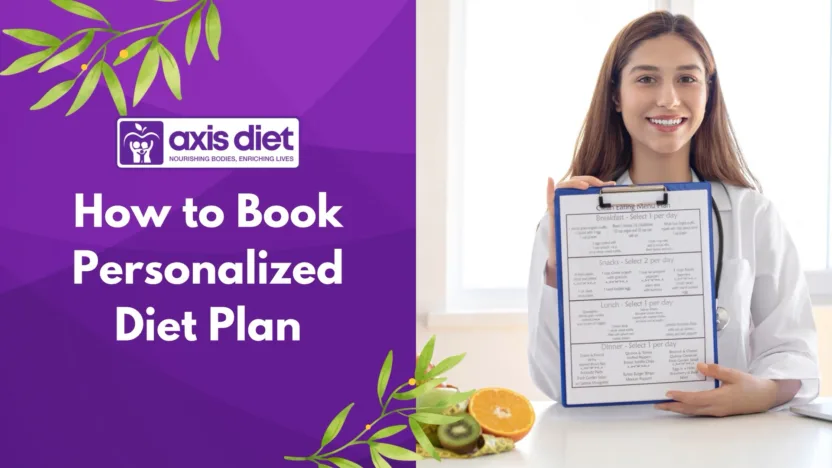
Booking a personalized Indian diet plan online involves a straightforward process that caters to your unique health needs and preferences. Here is a step-by-step guide to help you through the process effectively:
Step 1: Research
Start by gathering information about various nutritionists or diet experts who specialize in Indian diets. Look for those who offer personalized plans tailored to individual needs. Consider their qualifications and experience in the field of nutrition.
Step 2: Evaluate Your Needs
Before booking, assess your dietary requirements. Identify your health goals such as weight loss, muscle gain, or managing health conditions like diabetes. This information will guide you in selecting the right planner.
Step 3: Fill Out an Online Form
Most diet planning services will provide an online questionnaire. Fill it out with accuracy. Include details about your health history, current eating habits, and food preferences. The more accurately you fill out this form, the better the plan will suit you.
Step 4: Consultation Scheduling
Once the online form is completed, you will usually have the option to schedule a consultation. This initial meeting is crucial, as it allows the dietitian to understand your needs better and answer any queries you may have.
Step 5: Understand the Pricing
Pricing can vary widely among different services. Some key considerations include:
- Check if the initial consultation fee is included in the overall plan.
- Look for any hidden costs, such as additional charges for specific meal plans or consultations.
- Evaluate if the price aligns with the level of service and personalization offered.
Step 6: Review the Plan
After the consultation, you will receive your personalized diet plan. Review it thoroughly. Make sure it aligns with your goals and feels manageable. Don’t hesitate to ask for adjustments if necessary.
Step 7: Commitment to the Plan
Once you have booked your plan, be prepared to commit. Stay engaged with any ongoing support offered, and keep track of your progress. Remember that consistency is key to achieving your health objectives.
For further insights on making healthier choices, you can explore sustainable weight loss strategies that complement your personalized diet approach. Understanding the elements of a balanced diet can also enhance your overall well-being.
Your Journey to a Healthier You
Embarking on a journey to a healthier lifestyle through a personalized Indian diet plan requires more than just signing up. It demands a significant commitment to ensure that you reap the benefits. Each meal you consume and every choice you make contributes to the larger goal of improved health and well-being. Remember, consistency is key. You have the information and guidance, but it is your determination that will ultimately determine your success.
Staying committed to your personalized diet plan involves creating a supportive environment for yourself. Surround yourself with people who encourage your goals. Share your journey with friends and family, or consider joining a supportive community online. This connection can serve as a source of motivation during challenging times.
Every meal is an opportunity to nourish your body. Focus on incorporating fresh fruits, vegetables, and whole grains into your diet. Indian cuisine offers a wealth of healthy options; explore local ingredients that can keep your meals exciting and nutritious. This can include experimenting with a variety of spices that not only enhance flavor but also provide health benefits.
Maintaining a healthy lifestyle goes beyond diet; it integrates various aspects of well-being. Here are some motivational insights to help you stay on track:
- Set realistic goals: Break your ultimate goal into smaller milestones. Celebrate each achievement, no matter how small.
- Keep a food journal: Tracking what you eat allows you to reflect on your diet choices and make adjustments if necessary.
- Stay active: Incorporate physical activity into your daily routine. Even a 30-minute walk can make a significant difference.
- Practice mindful eating: Take the time to enjoy your food. This not only enhances the dining experience but also helps you recognize when you’re full.
- Be kind to yourself: Understand that setbacks may occur. Use them as learning experiences and continue forward.
Staying inspired can sometimes be challenging, especially when faced with temptations or stress. Reinforce your commitment by reminding yourself of the reasons you started this journey. Keep visual reminders of your goals, whether it’s through motivational quotes or a vision board that encapsulates your aspirations.
For those seeking additional guidance or tailored advice, a comprehensive diet consultation can be invaluable. Consider reaching out for personalized support to further assist you in achieving your goals. To take the next step towards your healthy lifestyle, visit this link for diet consultation. Your dedication to a healthier you begins today!
Final words
Choosing a personalized Indian diet plan is a commitment to your health and well-being. By understanding the booking process and tailored options available, you can enjoy satisfying meals while meeting your dietary needs. Start your journey towards a healthier lifestyle today.
The content provided in this blog post is intended for general knowledge and informational purposes only. It should not be considered a substitute for professional medical advice, diagnosis, or treatment. For personalized health recommendations tailored to your individual needs, we highly encourage you to connect with our certified clinical dietitians. Visit us at Axis Diet Consulting to schedule a consultation and take the first step toward your health journey!